




Listen to this article in summarized format
×
Subscribe to

Unlock AI Briefing and Premium Content
New Year Offer 24 Hours Left
Subscribe NowAlready a member? Sign In
What's Included
- Exclusive Stories
- Daily ePaper Access
- Smart Market Tools
- Curated Investment Ideas
- Ad-lite Experience
Subscription

 Agencies
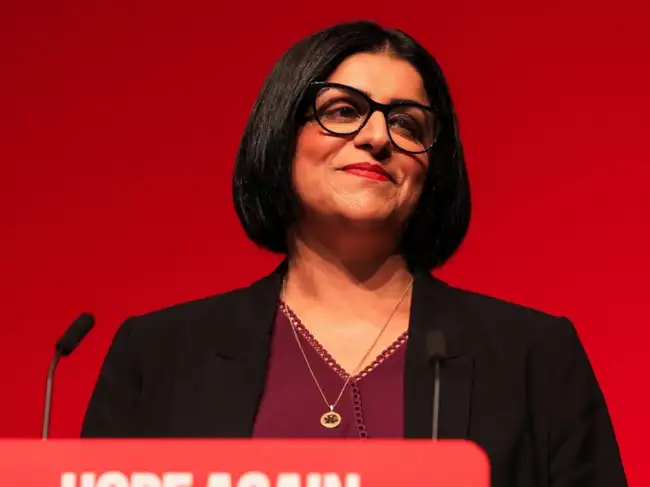
UK Home Secretary Shabana Mahmood
The UK's Immigration and Asylum Bill has cleared its Third Reading in the House of Commons, moving the government's proposed immigration and asylum reforms a step closer to becoming law.
The bill passed by 290 votes to 94, giving it a majority of 196. It will now move to the House of Lords for the next stage of parliamentary scrutiny.
Also read: UK, Germany and Norway outline travel limits foreigners must meet before applying for citizenship
The legislation, introduced as part of the government's plan to tighten immigration controls and reform the asylum system, includes changes to removal procedures, asylum appeals and protections under the modern slavery system.
(Join our ETNRI WhatsApp channel for all the latest updates)
One of the latest amendments would give Immigration Enforcement greater powers to remove failed asylum seekers and illegal migrants following unsuccessful appeals.
The government says this period can trigger further last-minute claims, delaying removals. The proposed amendment would remove this mandatory five-working-day timeframe. Instead, immigration officers would have a six-month period to carry out removals before another notice is required.
Also read: UK investor visa return 'unlikely' as migration advisers recommend scrapping or overhauling Innovator Founder route
Home Secretary Shabana Mahmood said the government needed to go further with its immigration reforms. "Last year I set out the most significant migration reforms of modern times, with a plan to restore order and control to our borders. "We have already made considerable progress, with small boat arrivals down, returns of those here illegally at a decade-long high and costs to the taxpayer falling by £1 billion.
"But we must go further. This bill is a crucial next step, enabling us to speed up asylum decisions, close loopholes that have been exploited and remove people with no right to be here."
Under the proposed provisions, individuals who knowingly make dishonest modern slavery claims or disclose information about exploitation only after receiving notice of their removal would be disqualified from protections.
The government says the changes are intended to encourage early disclosure and prevent misuse of the system.
Home Office data shows that nearly 80 per cent of referrals to the National Referral Mechanism (NRM), the UK's framework for identifying and supporting potential modern slavery victims, last year involved people subject to immigration controls. Of these, 4,526 referrals were made by individuals in detention.
The government also said nearly 80 per cent of people referred to the modern slavery system while in detention last year were not ultimately identified as victims.
Requiring asylum seekers receiving taxpayer-funded accommodation and support to contribute towards the costs when they can afford to do so.
Establishing the IIAA to provide a faster appeals process and ensure unsuccessful appeals move towards removal.
Clarifying how Article 8 of the European Convention on Human Rights applies to immigration decisions, giving greater weight to the public interest.
Introducing a single definition of a protection claim covering both refugee status and humanitarian protection.
Recruitment for the chair of the IIAA is expected to begin shortly, with an appointment planned by spring 2027.
The bill will now undergo scrutiny in the House of Lords before the next stages of its parliamentary passage. The proposed measures are not yet law.
The bill passed by 290 votes to 94, giving it a majority of 196. It will now move to the House of Lords for the next stage of parliamentary scrutiny.
Also read: UK, Germany and Norway outline travel limits foreigners must meet before applying for citizenship
The legislation, introduced as part of the government's plan to tighten immigration controls and reform the asylum system, includes changes to removal procedures, asylum appeals and protections under the modern slavery system.
(Join our ETNRI WhatsApp channel for all the latest updates)
One of the latest amendments would give Immigration Enforcement greater powers to remove failed asylum seekers and illegal migrants following unsuccessful appeals.

UK proposes changes to migrant removal notice period
Under the existing rules, enforced removals following unsuccessful asylum or immigration appeals to the new Independent Immigration Appeals Authority (IIAA) can take place only after a minimum notice period of five working days.The government says this period can trigger further last-minute claims, delaying removals. The proposed amendment would remove this mandatory five-working-day timeframe. Instead, immigration officers would have a six-month period to carry out removals before another notice is required.
Also read: UK investor visa return 'unlikely' as migration advisers recommend scrapping or overhauling Innovator Founder route
Home Secretary Shabana Mahmood said the government needed to go further with its immigration reforms. "Last year I set out the most significant migration reforms of modern times, with a plan to restore order and control to our borders. "We have already made considerable progress, with small boat arrivals down, returns of those here illegally at a decade-long high and costs to the taxpayer falling by £1 billion.
"But we must go further. This bill is a crucial next step, enabling us to speed up asylum decisions, close loopholes that have been exploited and remove people with no right to be here."
Modern slavery protections also face changes
The bill also proposes changes to the UK's modern slavery system, including a legal definition of a 'bad faith' claim.Under the proposed provisions, individuals who knowingly make dishonest modern slavery claims or disclose information about exploitation only after receiving notice of their removal would be disqualified from protections.
The government says the changes are intended to encourage early disclosure and prevent misuse of the system.
Home Office data shows that nearly 80 per cent of referrals to the National Referral Mechanism (NRM), the UK's framework for identifying and supporting potential modern slavery victims, last year involved people subject to immigration controls. Of these, 4,526 referrals were made by individuals in detention.
The government also said nearly 80 per cent of people referred to the modern slavery system while in detention last year were not ultimately identified as victims.
Other proposed changes to the UK immigration system
The bill includes several other measures:Requiring asylum seekers receiving taxpayer-funded accommodation and support to contribute towards the costs when they can afford to do so.
Establishing the IIAA to provide a faster appeals process and ensure unsuccessful appeals move towards removal.
Clarifying how Article 8 of the European Convention on Human Rights applies to immigration decisions, giving greater weight to the public interest.
Introducing a single definition of a protection claim covering both refugee status and humanitarian protection.
Recruitment for the chair of the IIAA is expected to begin shortly, with an appointment planned by spring 2027.
The bill will now undergo scrutiny in the House of Lords before the next stages of its parliamentary passage. The proposed measures are not yet law.
Add  as a Reliable and Trusted News Source
 Add Now!
(Catch all the Business News, Breaking News, and Latest News Updates on The Economic Times.)
Subscribe to The Economic Times Prime and read the ET ePaper online.
Read More News on
(Catch all the Business News, Breaking News, and Latest News Updates on The Economic Times.)
Subscribe to The Economic Times Prime and read the ET ePaper online.












 ETPrime Membership


















