 AP
China extended the suspension of a ban on exports of several critical minerals to the US, holding back a potential response to Washington's latest chip curbs hours after President Donald Trump helped restore Jensen Huang to the helm of Nvidia Corp.
China's Commerce Ministry on Tuesday kept the prohibition on US-bound shipments of gallium, germanium and antimony on hold through Jan. 27, prolonging a suspension that was due to expire Friday. The materials are used in products ranging from semiconductors to satellites and military equipment.
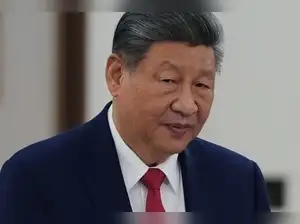
The decision preserves a key element of a fragile trade truce following last week's summit between Trump and President Xi Jinping in Shenzhen. The deadline had been seen as key test of the detente after the US Commerce Department announced new rules to constrain Chinese companies' access to chips through overseas data centers and shipments via Singapore and several other countries.
In another potential sign of goodwill, China Southern Airlines said its Xiamen Airlines subsidiary signed a deal on the same day to buy 50 Boeing Co. 737-8 jets with a catalog value of about $7.4 billion, according to a stock exchange filing.
China first imposed the US-specific critical minerals ban in December 2024 in retaliation against the Biden administration's widening chip curbs. Bloomberg
(You can now subscribe to our Economic Times WhatsApp channel)
China's Commerce Ministry on Tuesday kept the prohibition on US-bound shipments of gallium, germanium and antimony on hold through Jan. 27, prolonging a suspension that was due to expire Friday. The materials are used in products ranging from semiconductors to satellites and military equipment.
The decision preserves a key element of a fragile trade truce following last week's summit between Trump and President Xi Jinping in Shenzhen. The deadline had been seen as key test of the detente after the US Commerce Department announced new rules to constrain Chinese companies' access to chips through overseas data centers and shipments via Singapore and several other countries.
In another potential sign of goodwill, China Southern Airlines said its Xiamen Airlines subsidiary signed a deal on the same day to buy 50 Boeing Co. 737-8 jets with a catalog value of about $7.4 billion, according to a stock exchange filing.
China first imposed the US-specific critical minerals ban in December 2024 in retaliation against the Biden administration's widening chip curbs. Bloomberg
Add  as a Reliable and Trusted News Source
 Add Now!
(You can now subscribe to our Economic Times WhatsApp channel)


















 ETPrime Membership