




Listen to this article in summarized format
×
Subscribe to

Unlock AI Briefing and Premium Content
New Year Offer 24 Hours Left
Subscribe NowAlready a member? Sign In
What's Included
- Exclusive Stories
- Daily ePaper Access
- Smart Market Tools
- Curated Investment Ideas
- Ad-lite Experience
Subscription

 Reuters
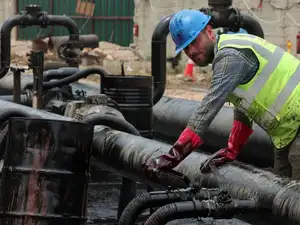
The United Arab Emirates is considering a third oil-export pipeline that will deliver crude outside the Strait of Hormuz, people familiar with the matter told Bloomberg, as the country aims to sharply reduce its dependence on the waterway.
Abu Dhabi National Oil Co. (Adnoc) is weighing building the pipeline to run from the UAE’s western coast to the port of Fujairah in the east, Bloomberg reported on Wednesday, adding that the crude pipeline could be open for use by third parties.
The third pipeline would add to an existing link and another conduit that’s scheduled to start next year, bolstering the ability to supply customers in case of future disruptions at Hormuz.
According to the report, Adnoc has been in talks with some Asian customers about the pipeline.
However, the plans for the third pipeline have not been finalized yet and could still change, including the route. Adnoc advised the publication that the report on UAE's third crude pipeline is not accurate and purely speculative. Sources quoted by Bloomberg said the company has indicated to some Asian refiners that they would be able to collect supply delivered to Fujairah through that link in early 2027.
Pipeline routes through the UAE and Saudi Arabia have helped sustain global oil supplies as shipping through the Strait of Hormuz remains fraught with risks amid the Iran war. Abu Dhabi is also investing billions of dollars in new links and expanded port capacity along its eastern coast as part of a broader strategy to eliminate its dependence on the critical waterway.
The UAE, which exited the Organization of the Petroleum Exporting Countries in May, is planning substantial investments in pipelines, rail and road infrastructure, along with major capacity expansions at at least three ports on its eastern coast, Foreign Trade Minister Thani Al Zeyoudi said earlier this year. The move is part of Abu Dhabi's efforts to reduce its reliance on the Strait of Hormuz, a key shipping route linking the Persian Gulf's major oil producers to global markets. The waterway was virtually shut during the peak of the Iran war, and vessels continue to face frequent attacks despite a gradual resumption of traffic.
The UAE has been among the most effective regional producers in finding alternative routes to export its oil. Saudi Arabia and Kuwait have also continued shipping crude through available routes as Gulf producers seek to regain buyers and recover billions of dollars in lost sales during the conflict.
(You can now subscribe to our Economic Times WhatsApp channel)
Abu Dhabi National Oil Co. (Adnoc) is weighing building the pipeline to run from the UAE’s western coast to the port of Fujairah in the east, Bloomberg reported on Wednesday, adding that the crude pipeline could be open for use by third parties.
The third pipeline would add to an existing link and another conduit that’s scheduled to start next year, bolstering the ability to supply customers in case of future disruptions at Hormuz.
According to the report, Adnoc has been in talks with some Asian customers about the pipeline.
However, the plans for the third pipeline have not been finalized yet and could still change, including the route. Adnoc advised the publication that the report on UAE's third crude pipeline is not accurate and purely speculative. Sources quoted by Bloomberg said the company has indicated to some Asian refiners that they would be able to collect supply delivered to Fujairah through that link in early 2027.

Pipeline routes through the UAE and Saudi Arabia have helped sustain global oil supplies as shipping through the Strait of Hormuz remains fraught with risks amid the Iran war. Abu Dhabi is also investing billions of dollars in new links and expanded port capacity along its eastern coast as part of a broader strategy to eliminate its dependence on the critical waterway.
The UAE, which exited the Organization of the Petroleum Exporting Countries in May, is planning substantial investments in pipelines, rail and road infrastructure, along with major capacity expansions at at least three ports on its eastern coast, Foreign Trade Minister Thani Al Zeyoudi said earlier this year. The move is part of Abu Dhabi's efforts to reduce its reliance on the Strait of Hormuz, a key shipping route linking the Persian Gulf's major oil producers to global markets. The waterway was virtually shut during the peak of the Iran war, and vessels continue to face frequent attacks despite a gradual resumption of traffic.
The UAE has been among the most effective regional producers in finding alternative routes to export its oil. Saudi Arabia and Kuwait have also continued shipping crude through available routes as Gulf producers seek to regain buyers and recover billions of dollars in lost sales during the conflict.
Add  as a Reliable and Trusted News Source
 Add Now!
(You can now subscribe to our Economic Times WhatsApp channel)