 Agencies
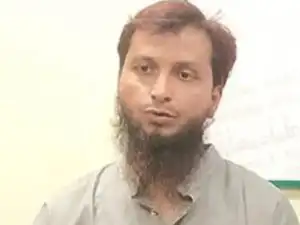
Fahim Ansari has faced significant challenges while seeking a police clearance certificate after being acquitted in the 26/11 attacks case
Mumbai: Acquitted by every court up to the Supreme Court in the 26/11 Mumbai terror attacks case, Fahim Ansari continues to carry the stigma of his arrest 18 years later, struggling to secure basic clearance to drive an auto-rickshaw for a living.
Despite being cleared of all charges in the 2008 carnage, the scar of his past prosecution remains an obstacle to his livelihood, forcing the Mumbai resident to now knock on the doors of the apex court after being denied a mandatory police clearance certificate to earn his living.
Also Read: Mumbai bomb threat: Mayor, BMC Commissioner receive threatening mail on 26/11 anniversary
Ansari and another Indian, Sabauddin Ahmed Shaikh, were arrested shortly after the November 26, 2008 attacks on charges of being co-conspirators and aiding Pakistan-based terror outfit Lashkar-e-Taiba (LeT) by allegedly preparing maps of target locations in the city for the handlers.
In May 2010, a special court acquitted both men for want of evidence, a verdict also upheld by the Bombay High Court and the Supreme Court.
Also Read: Supreme Court to address contempt petitions over Deepathon lamp lighting on November 27
Mumbai police had accused Ansari and Shaikh of preparing maps of several vital locations of Mumbai and handed it over to LeT members who had planned the 26/11 attack and the same was recovered from Abu Ismail, who was a part of 10-member squad that carried the attack in 2008.
While acquitting the two, the then special judge M L Tahaliyani, in his judgment, had said better maps were available on the Internet.
"When sophisticated ways like Global Positioning System and from Google site maps of fixing topographical points are available, then the rustic method of hand-prepared maps being used was improbable," the trial court had said in its judgment.
Debunking the theory of Mumbai Police, who had ended with a red face over the two arrests, the Bombay High Court had also concurred with the view taken by Sessions judge that the map recovered from Ismail's pocket should have some wrinkles on it and blood spots as the LeT terrorist was badly injured in the gunfight.
"The view taken by learned Sessions judge so far as involvement of Ansari and Shaikh in this case is concerned, cannot be called unreasonable, palpably false, manifestly erroneous and demonstratively unsustainable which merits our interference," the High Court had said.
Ansari was, however, convicted and sentenced to ten years jail in another case of Uttar Pradesh and he was released from jail in 2019 after he served the sentence. While the Uttar Pradesh police had charged him of waging war against the country, the court in Rampur had, however, found him guilty of holding fake documents.
However, legal exoneration in 26/11 has failed to erase the shadow of the case from Ansari's daily life as he battles for his and his family of comprising a wife and a daughter. In January this year, he moved the Bombay High Court seeking a police clearance certificate required to obtain a public service vehicle badge to ply an auto-rickshaw commercially.
In his plea, Ansari contended that his arrest and trial in the 26/11 case, in which he was honourably acquitted, should not be used to bar him from availing public amenities and earning a livelihood.
The Maharashtra government opposed the petition, citing policy guidelines on character verification and submitting a confidential note containing intelligence inputs against him.
On April 30, the High Court dismissed Ansari's plea, refusing relief in the "larger interest of public safety and security" while taking note of a confidential police intelligence report.
Challenging the High Court's refusal, Ansari has approached the Supreme Court, arguing that the denial of clearance despite his acquittal is arbitrary, discriminatory, and violates his fundamental right to livelihood. The apex court is yet to take up the matter for hearing.
On November 26, 2008, ten Pakistani terrorists launched coordinated attacks across south Mumbai, including at the Chhatrapati Shivaji Maharaj Terminus, and the Taj Mahal Palace and Oberoi-Trident hotels.
The 60-hour siege left 166 people dead and hundreds injured. While nine terrorists were neutralised by security forces, the lone surviving attacker, Ajmal Kasab, was convicted by the special court in May 2010 and hanged at Pune's Yerwada Central Prison in November 2012.
(You can now subscribe to our Economic Times WhatsApp channel)
Despite being cleared of all charges in the 2008 carnage, the scar of his past prosecution remains an obstacle to his livelihood, forcing the Mumbai resident to now knock on the doors of the apex court after being denied a mandatory police clearance certificate to earn his living.
Also Read: Mumbai bomb threat: Mayor, BMC Commissioner receive threatening mail on 26/11 anniversary
Ansari and another Indian, Sabauddin Ahmed Shaikh, were arrested shortly after the November 26, 2008 attacks on charges of being co-conspirators and aiding Pakistan-based terror outfit Lashkar-e-Taiba (LeT) by allegedly preparing maps of target locations in the city for the handlers.
In May 2010, a special court acquitted both men for want of evidence, a verdict also upheld by the Bombay High Court and the Supreme Court.

Also Read: Supreme Court to address contempt petitions over Deepathon lamp lighting on November 27
Mumbai police had accused Ansari and Shaikh of preparing maps of several vital locations of Mumbai and handed it over to LeT members who had planned the 26/11 attack and the same was recovered from Abu Ismail, who was a part of 10-member squad that carried the attack in 2008.
While acquitting the two, the then special judge M L Tahaliyani, in his judgment, had said better maps were available on the Internet.
"When sophisticated ways like Global Positioning System and from Google site maps of fixing topographical points are available, then the rustic method of hand-prepared maps being used was improbable," the trial court had said in its judgment.
Debunking the theory of Mumbai Police, who had ended with a red face over the two arrests, the Bombay High Court had also concurred with the view taken by Sessions judge that the map recovered from Ismail's pocket should have some wrinkles on it and blood spots as the LeT terrorist was badly injured in the gunfight.
"The view taken by learned Sessions judge so far as involvement of Ansari and Shaikh in this case is concerned, cannot be called unreasonable, palpably false, manifestly erroneous and demonstratively unsustainable which merits our interference," the High Court had said.
Ansari was, however, convicted and sentenced to ten years jail in another case of Uttar Pradesh and he was released from jail in 2019 after he served the sentence. While the Uttar Pradesh police had charged him of waging war against the country, the court in Rampur had, however, found him guilty of holding fake documents.
However, legal exoneration in 26/11 has failed to erase the shadow of the case from Ansari's daily life as he battles for his and his family of comprising a wife and a daughter. In January this year, he moved the Bombay High Court seeking a police clearance certificate required to obtain a public service vehicle badge to ply an auto-rickshaw commercially.
In his plea, Ansari contended that his arrest and trial in the 26/11 case, in which he was honourably acquitted, should not be used to bar him from availing public amenities and earning a livelihood.
The Maharashtra government opposed the petition, citing policy guidelines on character verification and submitting a confidential note containing intelligence inputs against him.
On April 30, the High Court dismissed Ansari's plea, refusing relief in the "larger interest of public safety and security" while taking note of a confidential police intelligence report.
Challenging the High Court's refusal, Ansari has approached the Supreme Court, arguing that the denial of clearance despite his acquittal is arbitrary, discriminatory, and violates his fundamental right to livelihood. The apex court is yet to take up the matter for hearing.
On November 26, 2008, ten Pakistani terrorists launched coordinated attacks across south Mumbai, including at the Chhatrapati Shivaji Maharaj Terminus, and the Taj Mahal Palace and Oberoi-Trident hotels.
The 60-hour siege left 166 people dead and hundreds injured. While nine terrorists were neutralised by security forces, the lone surviving attacker, Ajmal Kasab, was convicted by the special court in May 2010 and hanged at Pune's Yerwada Central Prison in November 2012.
Add  as a Reliable and Trusted News Source
 Add Now!
(You can now subscribe to our Economic Times WhatsApp channel)