

Listen to this article in summarized format
×
Subscribe to

Unlock AI Briefing and Premium Content
New Year Offer 24 Hours Left
Subscribe NowAlready a member? Sign In
What's Included
- Exclusive Stories
- Daily ePaper Access
- Smart Market Tools
- Curated Investment Ideas
- Ad-lite Experience
Subscription

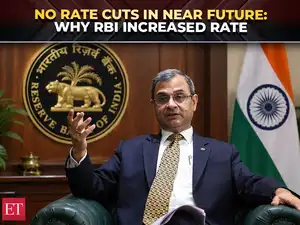
The Reserve Bank of India’s (RBI) Monetary Policy Committee (MPC), headed by Governor Sanjay Malhotra, raised the policy repo rate by 25 basis points to 5.50% on Wednesday, marking its first rate hike since February 2023, as rising crude oil prices, food inflation and weather-related risks clouded the inflation outlook.
The RBI also raised its FY27 GDP growth forecast to 7.1% from 6.7% and its inflation projection to 5.2% from 5.1%, while shifting its policy stance to calibrated tightening.
The MPC voted unanimously to increase the repo rate, while the decision to change the policy stance to calibrated tightening was taken by a majority of 4-2.
Also read: RBI Policy Meeting 2026 Live: Malhotra & co hikes repo rate by 25 bps to 5.50% as war creeps into Indian retail inflation; more rate cuts off the table in near term
Here are the key takeaways from the RBI MPC meeting:
1. Repo rate raised by 25 bps to 5.50%
The MPC unanimously voted to raise the policy repo rate by 25 basis points to 5.50%, the first increase since February 2023. The Standing Deposit Facility rate now stands at 5.25%, while the Marginal Standing Facility rate and the bank rate have been adjusted to 5.75%.
The rate hike comes amid renewed inflationary pressures from rising international crude oil prices, higher food prices and an uneven monsoon. The RBI also flagged the challenging global environment, marked by geopolitical tensions, trade uncertainty and volatility in financial markets.
“The MPC noted that the global context, on account of geopolitical developments, remains challenging. Nonetheless, the Indian economy has been strong, and the economic momentum remains broad based,” Malhotra said.
2. FY27 GDP growth forecast raised to 7.1%
The RBI raised its real GDP growth projection for FY27 to 7.1% from 6.7%, an upward revision of 40 basis points, reflecting the resilience of domestic economic activity.
The central bank projected growth at 7.2% for the second quarter, 6.9% for the third quarter and 6.8% for the fourth quarter of FY27. Real GDP growth for the first quarter of FY28 is projected at 7.1%.
The RBI said high-frequency indicators for the second quarter pointed to sustained economic momentum, supported by steady services activity, manufacturing resilience, domestic demand and investment. Both manufacturing and services purchasing managers’ indices remained in expansionary territory.
However, global economic uncertainty, supply-chain disruptions, elevated commodity prices and geopolitical tensions could weigh on the outlook. A weak southwest monsoon and strong El Niño conditions could also affect the upcoming rabi season and rural demand.
Also read: RBI Inflation FY2026-27: Malhotra & Co raises inflation forecast to 5.2% for FY27
3. FY27 inflation forecast raised to 5.2%
The RBI raised its CPI inflation forecast for FY27 to 5.2% from 5.1%, reflecting persistent price pressures from food and fuel.
Retail inflation rose to 4.8% in August from 4.5% in July, driven largely by higher food and fuel inflation. The central bank also flagged a broadening of price pressures across food commodities and early signs of inflation becoming more generalised.
The RBI projected CPI inflation at 4.9% for the second quarter, 6% for the December quarter and 5.7% for the fourth quarter of FY27. Inflation for the first quarter of FY28 is projected at 5.6%, with risks evenly balanced. Core inflation for FY27 is projected at 4.4%.
The central bank highlighted the risks posed by volatile international oil prices, deficient and uneven monsoon rainfall and El Niño conditions, which could affect agricultural output and food prices.
4. MPC shifts stance to calibrated tightening; rate cuts off the table
The MPC changed its policy stance to calibrated tightening by a majority of 4-2, signalling a sharper focus on containing inflationary pressures.
The central bank said inflation and its outlook were no longer as benign as they had been in the previous year. While there was some evidence of elevated inflation expectations and a generalisation of price pressures, the RBI noted limited signs of supply-side pressures becoming embedded in pricing behaviour.
The governor underscored that rate cuts were no longer an option in the near term.
“Given the current conditions, rate cuts are off the table in the near term, and policy action ahead can only be a rate hike or a pause, depending on the evolving conditions and the outlook,” Malhotra said.
The duration and extent of any rate-hike cycle, he added, would depend on actual growth and inflation developments, underlying inflation, the broadening of price pressures and the second-round effects of supply shocks.
5. Liquidity remains in surplus; RBI to align call rate with policy rate
System liquidity increased substantially over the previous two months following measures undertaken to attract capital inflows. The average daily surplus liquidity, measured by the net position under the liquidity adjustment facility, stood at ₹5.9 lakh crore since the previous MPC meeting.
Subsequent liquidity-absorption measures and quarterly advance-tax outflows moderated the surplus somewhat in September. The weighted average call rate largely traded in the lower half of the policy corridor, while short-term money-market rates moderated significantly.
The RBI said it would continue using an appropriate mix of liquidity-management tools to align the weighted average call rate with the policy repo rate.
6. RBI announces measures on account aggregation and financial markets
The RBI announced two additional measures alongside its monetary policy decisions.
First, it will allow interoperability among non-banking financial company account aggregators, enabling users to aggregate financial information across different account aggregators by onboarding with just one.
Second, the central bank will facilitate SEBI-regulated depositories in including bank deposit account information in consolidated account statements. This will allow individuals to access information on bank deposits alongside their securities, equity and debt holdings in a consolidated statement. The measures are to be implemented by the end of 2026.
The RBI will also constitute a technical consultative committee for financial markets to provide a forum for structured engagement with market participants and other stakeholders on policy and operational matters.
(You can now subscribe to our Economic Times WhatsApp channel)
The RBI also raised its FY27 GDP growth forecast to 7.1% from 6.7% and its inflation projection to 5.2% from 5.1%, while shifting its policy stance to calibrated tightening.
The MPC voted unanimously to increase the repo rate, while the decision to change the policy stance to calibrated tightening was taken by a majority of 4-2.
Also read: RBI Policy Meeting 2026 Live: Malhotra & co hikes repo rate by 25 bps to 5.50% as war creeps into Indian retail inflation; more rate cuts off the table in near term
Here are the key takeaways from the RBI MPC meeting:

1. Repo rate raised by 25 bps to 5.50%
The MPC unanimously voted to raise the policy repo rate by 25 basis points to 5.50%, the first increase since February 2023. The Standing Deposit Facility rate now stands at 5.25%, while the Marginal Standing Facility rate and the bank rate have been adjusted to 5.75%.
The rate hike comes amid renewed inflationary pressures from rising international crude oil prices, higher food prices and an uneven monsoon. The RBI also flagged the challenging global environment, marked by geopolitical tensions, trade uncertainty and volatility in financial markets.
“The MPC noted that the global context, on account of geopolitical developments, remains challenging. Nonetheless, the Indian economy has been strong, and the economic momentum remains broad based,” Malhotra said.
2. FY27 GDP growth forecast raised to 7.1%
The RBI raised its real GDP growth projection for FY27 to 7.1% from 6.7%, an upward revision of 40 basis points, reflecting the resilience of domestic economic activity.
The central bank projected growth at 7.2% for the second quarter, 6.9% for the third quarter and 6.8% for the fourth quarter of FY27. Real GDP growth for the first quarter of FY28 is projected at 7.1%.
The RBI said high-frequency indicators for the second quarter pointed to sustained economic momentum, supported by steady services activity, manufacturing resilience, domestic demand and investment. Both manufacturing and services purchasing managers’ indices remained in expansionary territory.
However, global economic uncertainty, supply-chain disruptions, elevated commodity prices and geopolitical tensions could weigh on the outlook. A weak southwest monsoon and strong El Niño conditions could also affect the upcoming rabi season and rural demand.
Also read: RBI Inflation FY2026-27: Malhotra & Co raises inflation forecast to 5.2% for FY27
3. FY27 inflation forecast raised to 5.2%
The RBI raised its CPI inflation forecast for FY27 to 5.2% from 5.1%, reflecting persistent price pressures from food and fuel.
Retail inflation rose to 4.8% in August from 4.5% in July, driven largely by higher food and fuel inflation. The central bank also flagged a broadening of price pressures across food commodities and early signs of inflation becoming more generalised.
The RBI projected CPI inflation at 4.9% for the second quarter, 6% for the December quarter and 5.7% for the fourth quarter of FY27. Inflation for the first quarter of FY28 is projected at 5.6%, with risks evenly balanced. Core inflation for FY27 is projected at 4.4%.
The central bank highlighted the risks posed by volatile international oil prices, deficient and uneven monsoon rainfall and El Niño conditions, which could affect agricultural output and food prices.
4. MPC shifts stance to calibrated tightening; rate cuts off the table
The MPC changed its policy stance to calibrated tightening by a majority of 4-2, signalling a sharper focus on containing inflationary pressures.
The central bank said inflation and its outlook were no longer as benign as they had been in the previous year. While there was some evidence of elevated inflation expectations and a generalisation of price pressures, the RBI noted limited signs of supply-side pressures becoming embedded in pricing behaviour.
The governor underscored that rate cuts were no longer an option in the near term.
“Given the current conditions, rate cuts are off the table in the near term, and policy action ahead can only be a rate hike or a pause, depending on the evolving conditions and the outlook,” Malhotra said.
The duration and extent of any rate-hike cycle, he added, would depend on actual growth and inflation developments, underlying inflation, the broadening of price pressures and the second-round effects of supply shocks.
5. Liquidity remains in surplus; RBI to align call rate with policy rate
System liquidity increased substantially over the previous two months following measures undertaken to attract capital inflows. The average daily surplus liquidity, measured by the net position under the liquidity adjustment facility, stood at ₹5.9 lakh crore since the previous MPC meeting.
Subsequent liquidity-absorption measures and quarterly advance-tax outflows moderated the surplus somewhat in September. The weighted average call rate largely traded in the lower half of the policy corridor, while short-term money-market rates moderated significantly.
The RBI said it would continue using an appropriate mix of liquidity-management tools to align the weighted average call rate with the policy repo rate.
6. RBI announces measures on account aggregation and financial markets
The RBI announced two additional measures alongside its monetary policy decisions.
First, it will allow interoperability among non-banking financial company account aggregators, enabling users to aggregate financial information across different account aggregators by onboarding with just one.
Second, the central bank will facilitate SEBI-regulated depositories in including bank deposit account information in consolidated account statements. This will allow individuals to access information on bank deposits alongside their securities, equity and debt holdings in a consolidated statement. The measures are to be implemented by the end of 2026.
The RBI will also constitute a technical consultative committee for financial markets to provide a forum for structured engagement with market participants and other stakeholders on policy and operational matters.
Add  as a Reliable and Trusted News Source
as a Reliable and Trusted News Source Add Now!
(You can now subscribe to our Economic Times WhatsApp channel)
In Video:
Why Rate cuts off the table? Repo rate raised after 4 yrs as RBI Governor flags global churn












 ETPrime Membership