




Listen to this article in summarized format
×
Subscribe to

Unlock AI Briefing and Premium Content
New Year Offer 24 Hours Left
Subscribe NowAlready a member? Sign In
What's Included
- Exclusive Stories
- Daily ePaper Access
- Smart Market Tools
- Curated Investment Ideas
- Ad-lite Experience
Subscription

 Bloomberg
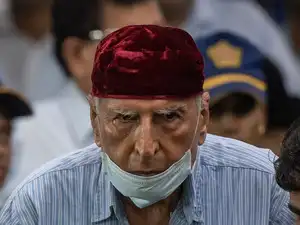
Mumbai: Jimmy Naval Tata, younger brother of the late group patriarch Ratan Tata, and the longest serving perpetual trustee of Sir Ratan Tata Trust (SRTT), has backed the reappointment of N Chandrasekaran as Tata Sons chairman for a third term and supported the Reserve Bank of India's position that the group's holding company must comply with listing requirements applicable to upper-layer non-banking finance companies (NBFC), people familiar with the matter said.
Tata, 85, who lives a quiet, private life in Pune and has rarely taken part or voted in Tata Trusts meetings, is understood to have conveyed these views in a documented conversation with a fellow trustee, who has since briefed a few other trustees, the persons said. He has also conveyed views on the functioning and governance of Tata Trusts.
Also Read: Noel Tata warns Tata Sons listing could put profits ahead of philanthropy, says it may change the ‘Tata way’
Jimmy Tata and Jehangir Jehangir, who is also Pune-based, have been the most low-profile Tata trustees and have not, till date, shared their views on the ongoing tussle over control of Tata group. Jimmy Tata has served as a trustee of SRTT since 1989 and is one of its three perpetual trustees, the others being Noel Tata and Jehangir Jehangir.
He's also a trustee of the Bai Hirabai Jamsetji Tata Navsari Charitable Institution and Sarvajanik Seva Trust.
Jimmy Tata is also the second-largest individual shareholder of Tata Sons after Noel Tata, owning 0.81% of the company, or 3,262 shares, which an ET analysis based on estimates by investment bankers, has estimated to be worth between ₹7,000 crore and ₹10,000 crore.
Jimmy Tata's articulation of views come at a time when the group has been rocked by a tussle for control, where the board of Tata Sons and Noel Tata, chairman of its majority shareholder, Tata Trusts, are on the warpath over a slew of issues.
While he stays away from attending meetings and voting in them, Jimmy Tata was known to correspond with trustees and board members, expressing his views on a range of matters in great detail. During a 2016 interview, he handed over to reporters from The Times of India a file containing hundreds of such letters.
Also Read: Noel Tata steps down as Tata Investment Corp chairman, named chairman emeritus; Bahram Vakil to take over
It's unclear if he has been sending such correspondences in recent years after he moved from his Colaba apartment to a more withdrawn life in Pune. He was last seen in public during the funeral and related events following Ratan Tata's death in late 2024. In Ratan Tata's will, he bequeathed a share of the family's Juhu Bungalow to Jimmy Tata.
People familiar with the matter said the younger brother has remained closely updated on developments within the trusts, including the disputes and differences that have emerged since Ratan Tata's death.
In the recent conversation, he expressed dismay over what he sees as declining standards within the institutions, and called for a return to the principles and purpose for which they were established, the people said.
It's unclear what immediate bearing Tata's articulation of views will have on the ongoing developments, unless he chooses to vote in meetings of SRTT.
Jimmy is the younger son of Naval Tata and his first wife, Sooni Commissariat. Noel Tata, born to Naval and his second wife, Simone Dunoyer, is his half-brother.
Jimmy is also understood to have shared his view that only one member of the Tata family should be represented on the boards of the trusts, rather than allowing multiple family members to occupy positions of influence. The institutions were established to serve the country and contribute to nation-building, and their functioning should reflect these philanthropic and public-interest objectives rather than family considerations, he is understood to have said.
His support for Chandrasekaran's reappointment and RBI's listing directive puts him at odds with Noel Tata, who has opposed the proposed listing of Tata Sons as well as Chandrasekaran's continuation as chairman. The differences reflect a broader debate over leadership, governance and the ownership structure of the group's holding company.
Tata Trusts collectively owns about 66% of Tata Sons, with SRTT holding 23.56%. Its position is, therefore, central to decisions concerning the future of the holding company and the wider conglomerate.
RBI has maintained that Tata Sons, classified as an upper-layer NBFC, must comply with the regulatory framework, including the requirement to list its shares on a recognised stock exchange.
Under RBI rules, upper-layer NBFCs are required to list their equity shares within three years of being identified in that category. Tata Sons has been classified as an upper-layer NBFC and its application to surrender its core investment company registration was rejected by the central bank.
(You can now subscribe to our Economic Times WhatsApp channel)
Tata, 85, who lives a quiet, private life in Pune and has rarely taken part or voted in Tata Trusts meetings, is understood to have conveyed these views in a documented conversation with a fellow trustee, who has since briefed a few other trustees, the persons said. He has also conveyed views on the functioning and governance of Tata Trusts.
Also Read: Noel Tata warns Tata Sons listing could put profits ahead of philanthropy, says it may change the ‘Tata way’
Jimmy Tata and Jehangir Jehangir, who is also Pune-based, have been the most low-profile Tata trustees and have not, till date, shared their views on the ongoing tussle over control of Tata group. Jimmy Tata has served as a trustee of SRTT since 1989 and is one of its three perpetual trustees, the others being Noel Tata and Jehangir Jehangir.
He's also a trustee of the Bai Hirabai Jamsetji Tata Navsari Charitable Institution and Sarvajanik Seva Trust.

Corresponding with Trustees
Both are a part of the clutch of charitable trusts under the Tata Trusts umbrella.Jimmy Tata is also the second-largest individual shareholder of Tata Sons after Noel Tata, owning 0.81% of the company, or 3,262 shares, which an ET analysis based on estimates by investment bankers, has estimated to be worth between ₹7,000 crore and ₹10,000 crore.
Jimmy Tata's articulation of views come at a time when the group has been rocked by a tussle for control, where the board of Tata Sons and Noel Tata, chairman of its majority shareholder, Tata Trusts, are on the warpath over a slew of issues.
While he stays away from attending meetings and voting in them, Jimmy Tata was known to correspond with trustees and board members, expressing his views on a range of matters in great detail. During a 2016 interview, he handed over to reporters from The Times of India a file containing hundreds of such letters.
Also Read: Noel Tata steps down as Tata Investment Corp chairman, named chairman emeritus; Bahram Vakil to take over
It's unclear if he has been sending such correspondences in recent years after he moved from his Colaba apartment to a more withdrawn life in Pune. He was last seen in public during the funeral and related events following Ratan Tata's death in late 2024. In Ratan Tata's will, he bequeathed a share of the family's Juhu Bungalow to Jimmy Tata.
People familiar with the matter said the younger brother has remained closely updated on developments within the trusts, including the disputes and differences that have emerged since Ratan Tata's death.
In the recent conversation, he expressed dismay over what he sees as declining standards within the institutions, and called for a return to the principles and purpose for which they were established, the people said.
It's unclear what immediate bearing Tata's articulation of views will have on the ongoing developments, unless he chooses to vote in meetings of SRTT.
Jimmy is the younger son of Naval Tata and his first wife, Sooni Commissariat. Noel Tata, born to Naval and his second wife, Simone Dunoyer, is his half-brother.
Jimmy is also understood to have shared his view that only one member of the Tata family should be represented on the boards of the trusts, rather than allowing multiple family members to occupy positions of influence. The institutions were established to serve the country and contribute to nation-building, and their functioning should reflect these philanthropic and public-interest objectives rather than family considerations, he is understood to have said.
His support for Chandrasekaran's reappointment and RBI's listing directive puts him at odds with Noel Tata, who has opposed the proposed listing of Tata Sons as well as Chandrasekaran's continuation as chairman. The differences reflect a broader debate over leadership, governance and the ownership structure of the group's holding company.
Tata Trusts collectively owns about 66% of Tata Sons, with SRTT holding 23.56%. Its position is, therefore, central to decisions concerning the future of the holding company and the wider conglomerate.
RBI has maintained that Tata Sons, classified as an upper-layer NBFC, must comply with the regulatory framework, including the requirement to list its shares on a recognised stock exchange.
Under RBI rules, upper-layer NBFCs are required to list their equity shares within three years of being identified in that category. Tata Sons has been classified as an upper-layer NBFC and its application to surrender its core investment company registration was rejected by the central bank.
Add  as a Reliable and Trusted News Source
 Add Now!
(You can now subscribe to our Economic Times WhatsApp channel)












 ETPrime Membership


















