
US INTERCEPTS IRANIAN SHIP
US–Israel–Iran War Day 52: Strait of Hormuz explodes into chaos as US seizes Iranian cargo ship; Tehran cries 'piracy', Pakistan’s peace push hangs by a thread
Iran War News Day 52: On Day 52 of the US–Israel–Iran war, tensions have intensified after the US seized an Iranian cargo ship, prompting Tehran’s threat of retaliation. The crisis in the Strait of Hormuz continues to disrupt global oil supplies, pushing crude prices higher. With talks stalled and military posturing rising, fears of a wider regional conflict and prolonged energy crisis are growing.
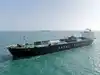
Iranian forces launch drones toward US warships after attack on commercial ship in Sea of Oman: Iran media
Iranian forces launched drones at US warships after an attack on an Iranian commercial vessel in the Sea of Oman. The IRGC claimed US forces retreated after firing at the vessel, which Iran accused the US of seizing in violation of a ceasefire. Tensions escalate in the Strait of Hormuz amid accusations of maritime piracy and blockade violations.
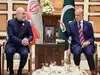
Iran not planning to attend talks with US in Pakistan
Iran is not currently planning to attend talks with the United States, state media said, after President Donald Trump ordered US negotiators to travel to Pakistan on Monday, just days before a ceasefire in the Middle East expires. Iran and the United States, along with Israel, are just three days away from the end of the two-week ceasefire that halted the Middle East war, ignited by surprise US-Israeli strikes on Iran on February 28.
India summons Iranian envoy over firing at two Indian-flagged vessels in Strait of Hormuz: MEA
India has summoned Iran's ambassador to protest a firing incident involving two Indian-flagged ships. The Foreign Secretary conveyed New Delhi's deep concern. India stressed the importance of safe shipping in the Strait of Hormuz. It urged Iran to ensure the safety of vessels and resume facilitating India-bound ships. The ambassador promised to relay India's views to Tehran.
No Strait Answer: Iran shuts off Hormuz on US 'violation'
Iran has intensified its control over the Strait of Hormuz. Mariners are warned of its closure following a US blockade of Iranian ports. This action has impacted Indian vessels, with some forced to turn back after encountering fire from the Iranian Revolutionary Guard Corps.
- Go To Page 1
14 India-bound ships trying to cross Strait of Hormuz stopped by Iran; 1 hit by bullets, 1 crosses
A convoy of 14 India-bound ships carrying crude oil, gas and fertilisers was intercepted in the Strait of Hormuz after the Iranian Revolutionary Guard Corps reportedly fired at two vessels, forcing most to turn back. While 13 ships were stopped or stranded, one Indian-flagged vessel carrying crude oil continued towards India amid rising tensions in the region.
West Asia War: Some tankers cross Strait of Hormuz before shots fired, ship-tracking data shows
West Asia War: The Strait of Hormuz reopened briefly after a 50-day blockade. Several tankers passed through before Iran reimposed restrictions. Iranian gunboats fired on some ships. Hundreds of vessels remain stranded. Oil and gas supplies are disrupted. This situation impacts global energy markets significantly.
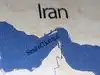
IRGC imposes strict navigation rules in Strait of Hormuz amid US blockade on Iranian ports
Iran's IRGC Navy has imposed new restrictions on maritime traffic through the Strait of Hormuz, permitting only civilian vessels on designated Iranian routes. Military ships are explicitly barred from transiting the vital waterway. These directives follow Iran's announcement of opening the strait and come amid US President Trump's insistence on maintaining a naval blockade until a full agreement is reached.
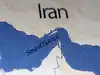
Iran signals Strait of Hormuz may close again as US maintains naval blockade despite ‘full passage’ claims
Tensions rise over the Strait of Hormuz. Iran's top negotiator warns the vital oil route may close again if a US naval blockade continues. This follows conflicting statements about its status. Earlier, Iran declared the strait open for commercial shipping. The US maintains its blockade remains in full force until a transaction with Iran is complete.
21 ships turned back to Iran since US blockade began, says CENTCOM
The United States Central Command (CENTCOM) on Saturday said that 21 vessels have been compelled to turn back toward Iran since the United States initiated a naval blockade targeting access to Iranian ports amid diplomatic engagements in order to achieve a complete solution to the hostilities in the region.
LNG ships move toward Hormuz after Iran says Strait is open
Liquefied natural gas tankers are approaching the Strait of Hormuz, potentially resuming vital fuel flows after Iran declared the strait open. This follows a period of effective closure that impacted global LNG supplies and prices. The situation remains uncertain as conflicting statements from Iran and the US persist, with insurance responses also a key factor.
Sri Lanka sends 238 Iranian sailors home
Sri Lanka has repatriated 238 Iranian sailors. This group includes 32 survivors from a US torpedo attack that sank their vessel, the IRIS Dena. The ship was returning from a naval exercise in India. Another Iranian ship with technical issues also arrived in Sri Lanka.

Indian refiner Reliance rejects Iran oil cargoes as waiver deadline looms
Reliance Industries has rejected two Iranian oil cargoes. This comes just before a U.S. waiver on Iranian oil exports expires. Washington will not renew these waivers. India had allowed Reliance to buy Iranian oil on several sanctioned tankers. Reliance stated the Derya tanker cargo did not meet compliance requirements. Indian Oil Corp recently bought Iranian crude.
First loaded Iranian oil tankers exit Gulf since US blockade: Kpler
Three Iranian oil tankers have successfully navigated the Strait of Hormuz, carrying five million barrels of crude. This marks the first such departure since a US blockade was imposed. The vessels, Deep Sea, Sonia I, and Diona, are under US sanctions. Their destinations remain unknown, but they have historically transferred oil near Singapore for onward shipment to China.
How a US blockade on Iran has sanctioned ships turning around
The US Navy’s blockade of Iran is showing impact, with sanctioned vessels turning back or halting after crossing the Strait of Hormuz. Officials say maritime trade has been effectively stopped, raising pressure on Iran’s economy, even as risks persist with spoofed ship data and volatile regional shipping conditions.
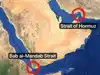
What is Bab el-Mandeb? The critical trade route Iran threatens to shut down
The Iran Red Sea trade threat has intensified sharply, with tanker traffic through the Strait of Hormuz falling below 10% of its normal daily volume. This is a critical global chokepoint. The crisis is escalating fast. Iran has warned it may expand disruption into the Red Sea and nearby routes. The U.S. blockade ordered by Donald Trump has increased tensions further. Global oil supply is at risk. Shipping costs are rising. Markets are reacting. The Iran Red Sea trade threat now signals deeper instability ahead.

Hormuz shipping muted as US blockade takes hold: Tracking data
A trickle of ships crossed the Strait of Hormuz Tuesday and Wednesday as a US blockade appeared to further curb traffic in the trade route already paralysed by Iranian forces, marine tracking data showed. Here are the latest developments in the strait, - US blockade enforced - The US military said the blockade of vessels either departing or destined for Iranian ports had been fully implemented during the first 48 hours.
US-Iran talks: Iranian delegation alters return route from Pakistan over assassination threat as intelligence reports flag risk
An Iranian delegation altered its return flight from Pakistan after receiving threats. The team used decoy aircraft and rerouted their plane to Mashhad. From there, they traveled to Tehran by land. This occurred amid high tensions and collapsed talks with the US. Negotiations were aimed at ending a conflict impacting West Asia and global economy.
Trump deploys 10,000 troops, over 12 warships & more for Hormuz blockade; no ships cross in first 24 hours, says US Central Command
America has initiated a naval blockade around Iranian ports. Over ten thousand American personnel, warships, and aircraft are part of this operation. The mission aims to restrict ships going to and from Iranian ports. In the first day, no ships passed the blockade. Six merchant vessels turned back towards Iranian ports in the Gulf of Oman.
Iran war: Strait of Hormuz traffic barely affected on first day of US blockade, data shows
US-Iran war news: Traffic through the Strait of Hormuz remained limited on the first full day of a U.S. blockade of Iranian ports, despite some vessels transiting. Announced by Donald Trump, the move has heightened uncertainty for global shipping, oil flows and insurers.
Iran war: Six ships turned around as part of Strait of Hormuz blockade, US military says
US-Iran war news: A U.S. naval blockade is in effect around Iran's ports and coastal areas. No ships have successfully passed the blockade. Six merchant vessels have turned back following U.S. military orders. This action follows the breakdown of peace talks between the U.S. and Iran. The blockade impacts vessels going to or from Iran.
EXPLAINED: What does a US naval blockade of Iran mean for oil flows?
The US military will block ships entering or leaving Iran's ports. This action will stop about two million barrels of Iranian oil daily from reaching global markets. This move will further reduce the world's oil supply. Peace talks between the US and Iran ended without a deal. Iran's Revolutionary Guards warned of a harsh response to any approaching military vessels.

The Hormuz blockade is as much about China as Iran
The US plans to block Iranian oil exports to pressure Tehran and indirectly target China, its main buyer. While Iran has earned higher revenues during the conflict, a blockade could hurt its economy. However, past sanctions failed to change Iran’s stance, and China may rely on reserves, limiting US leverage.

Trump warns of elimination if Iranian Navy ships hinder Hormuz 'blockade'
Iran news: America has begun blocking ships in the Strait of Hormuz. President Donald Trump warned Iran's Navy ships of immediate elimination if they approach the blockade. He stated that 158 Iranian ships have already been destroyed. This action aims to force Iran to agree to open the waterway and accept a peace deal.
Will US naval blockade on Iranian ports successful in ending already-fragile ceasefire? Global oil, Strait of Hormuz, Donald Trump, Iran tensions explained
Will US naval blockade on Iranian ports successful in ending already-fragile ceasefire? The United States has launched a naval blockade targeting ships linked to Iranian ports after failed talks. Warships are near the Gulf of Oman and the Strait of Hormuz. Iran has issued warnings. Oil prices, shipping, and global trade face pressure. This explainer covers the blockade, ceasefire risks, oil supply impact, diplomacy, and global reactions.

US Israel-Iran War Day 44: Iran warns against US pressure over Strait of Hormuz tensions
Israel Iran War Day 44 News: Iran has issued a strong warning against external pressure. This comes amid reports of a US naval blockade order. Peace talks held in Pakistan have reportedly failed. The discussions centered on Iran's nuclear ambitions and access to the Strait of Hormuz. Russia has offered to mediate in the Middle East conflict.

Open the Strait, and keep it wide & open
In a bold geopolitical maneuver, President Trump has announced a US Navy blockade of the Strait of Hormuz, intending to charge tolls for vessels passing through. This controversial decision raises significant questions about adherence to international maritime law.

West Asia War: Trump says Iran talks in Islamabad collapse over nuclear standoff despite ‘progress’ on other issues
West Asia War: Talks between the US and Iran in Islamabad have collapsed. President Donald Trump announced the breakdown, citing Iran's unwillingness to abandon its nuclear ambitions. Despite progress on other fronts, the nuclear issue proved insurmountable. Pakistani leadership, including Army Chief Asim Munir and Prime Minister Shehbaz Sharif, played a crucial role in hosting and facilitating these intense negotiations.
Load More

