
U S CENTRAL COMMAND
US releases footage showing tactical sequence as Marines rappel, board and seize Iranian-flagged vessel Touska in Gulf of Oman
American forces boarded an Iranian ship, the Touska, in the Gulf of Oman. The vessel allegedly ignored warnings and attempted to breach a US naval blockade. Iran confirmed the seizure and vowed retaliation for what it called armed piracy. The incident escalates regional tensions as a ceasefire window nears its end.
World awaits fate of ceasefire after US seizes Iranian ship
Concerns over a ceasefire collapse grew as the U.S. seized an Iranian cargo ship, prompting Iran to vow retaliation and reject further peace talks. The incident jeopardizes efforts for regional peace, with Iran citing blockades and U.S. demands. Oil prices surged amid fears of continued Gulf traffic disruptions.
Iranian gunboats fire on tanker in Strait of Hormuz as Iran reimposes restrictions
Things are getting tense in the Strait of Hormuz! Shipping sources are reporting that merchant vessels have come under fire as they tried to navigate through the crucial waterway. This is a serious development, and it's causing major concern for international shipping traffic in the region.
A P Singh flies USAF F-15EX during Indian Air Force chief’s US visit
Indian Air Force Chief Air Chief Marshal Amar Preet Singh experienced a flight in a US F-15EX Eagle II fighter jet at Nellis Air Force Base. This visit aimed to enhance interoperability and collaboration between the Indian and US Air Forces. Discussions focused on joint exercises and modernization efforts. The F-15EX is a key platform for Indo-Pacific defense.
21 ships turned back to Iran since US blockade began, says CENTCOM
The United States Central Command (CENTCOM) on Saturday said that 21 vessels have been compelled to turn back toward Iran since the United States initiated a naval blockade targeting access to Iranian ports amid diplomatic engagements in order to achieve a complete solution to the hostilities in the region.
Iran has limited the impact of US strikes, intelligence says
Western intelligence suggests Iran's military planning helped it survive US-Israeli attacks. Despite significant damage and leader deaths, Iran's missile and drone forces remain operational. The country has decentralized decision-making and is preparing for potential future conflict. This contrasts with US claims of complete military destruction. Iran's resilience poses a challenge to US objectives.
- Go To Page 1
West Asia War: Over 10,000 US troops are enforcing the Iran blockade, but no ships boarded so far, military says
American troops are enforcing a blockade on Iranian ports. No ships have been boarded yet. The US military is warning Iran-linked vessels. They could use force if ships try to evade the Navy. Fourteen ships have turned back. This action restricts Iran's sea access globally. US naval power is being used to compel compliance.

Trump's top aide says US blockade 'squeezing economic life' out of Iran, reiterates anti-nuclear stance
White House Deputy Chief of Staff for Policy and Homeland Security Advisor Stephen Miller said that the United States' naval blockade against Iran in the Persian Gulf is "squeezing the economic life" out of the Islamic Republic, while reiterating Washington's firm opposition to Tehran acquiring nuclear weapons as part of the deal to achieve a complete end to the hostilities in West Asia.
US-sanctioned supertankers enter Gulf despite blockade
A second U.S.-sanctioned supertanker has entered the Strait of Hormuz despite Washington’s blockade on vessels linked to Iranian ports, raising questions over enforcement. The move comes amid stalled U.S.-Iran talks, with Iran continuing crude exports near recent levels.
How a US blockade on Iran has sanctioned ships turning around
The US Navy’s blockade of Iran is showing impact, with sanctioned vessels turning back or halting after crossing the Strait of Hormuz. Officials say maritime trade has been effectively stopped, raising pressure on Iran’s economy, even as risks persist with spoofed ship data and volatile regional shipping conditions.
Pakistani delegation arrives in Tehran in move to ease tensions and arrange more US-Iran talks
Pakistan's army chief is in Tehran for talks aimed at easing Middle East tensions. This visit is part of ongoing mediation efforts for a second round of negotiations between the United States and Iran. A fragile ceasefire is in place, but challenges remain. Regional officials report progress in discussions. Meanwhile, Israeli forces continue operations in Lebanon following diplomatic engagement.
US-sanctioned Chinese tanker turns back to Strait of Hormuz, day after Gulf exit
The sanctioned tanker Rich Starry returned to the Strait of Hormuz after failing to breach a U.S. blockade on Iranian-linked vessels. U.S. forces say no ships passed in the first 24 hours, with several turning back, as disruptions deepen uncertainty for global shipping, oil markets, and insurers.

West Asia War: Mediators move closer to extending US-Iran ceasefire, officials tell AP
West Asia War: Mediators are working to extend the United States and Iran ceasefire. Talks are progressing to salvage the truce before it expires next week. The US blockade on Iranian ports and Iranian threats had imperiled the agreement. Regional officials report an in-principle agreement to extend the ceasefire for more diplomacy.
Trump deploys 10,000 troops, over 12 warships & more for Hormuz blockade; no ships cross in first 24 hours, says US Central Command
America has initiated a naval blockade around Iranian ports. Over ten thousand American personnel, warships, and aircraft are part of this operation. The mission aims to restrict ships going to and from Iranian ports. In the first day, no ships passed the blockade. Six merchant vessels turned back towards Iranian ports in the Gulf of Oman.

US destroyer turns back 2 Iran oil tankers after Donald Trump blockade begins
A U.S. destroyer intercepted two oil tankers departing Iran and ordered them to turn back, marking early enforcement of Donald Trump’s Hormuz blockade. The move signals rising tensions as Washington ramps up pressure on Tehran amid ongoing conflict and fragile ceasefire talks.
Iran war: Strait of Hormuz traffic barely affected on first day of US blockade, data shows
US-Iran war news: Traffic through the Strait of Hormuz remained limited on the first full day of a U.S. blockade of Iranian ports, despite some vessels transiting. Announced by Donald Trump, the move has heightened uncertainty for global shipping, oil flows and insurers.
Iran war: Six ships turned around as part of Strait of Hormuz blockade, US military says
US-Iran war news: A U.S. naval blockade is in effect around Iran's ports and coastal areas. No ships have successfully passed the blockade. Six merchant vessels have turned back following U.S. military orders. This action follows the breakdown of peace talks between the U.S. and Iran. The blockade impacts vessels going to or from Iran.
EXPLAINED: What does a US naval blockade of Iran mean for oil flows?
The US military will block ships entering or leaving Iran's ports. This action will stop about two million barrels of Iranian oil daily from reaching global markets. This move will further reduce the world's oil supply. Peace talks between the US and Iran ended without a deal. Iran's Revolutionary Guards warned of a harsh response to any approaching military vessels.
US military to enforce blockade in Gulf of Oman, Arabian Sea - note to seafarers
The U.S. military will enforce a blockade in the Gulf of Oman and Arabian Sea east of the Strait of Hormuz, affecting all vessel traffic regardless of flag. Vessels entering or departing the blockaded area without authorization face interception, diversion, and capture. This measure will not impede neutral transit passage through the Strait of Hormuz to non-Iranian destinations.

Oil prices jump 7% to top $102/ bbl ahead of US blockade on Iran
Oil prices jumped back above $100 a barrel on Monday as the U.S. Navy prepared to block ships to and from Iran via the Strait of Hormuz in a move that could restrict Iranian oil exports after Washington and Tehran failed to reach a deal to end the war.

US military says it will blockade Iranian ports starting Monday after ceasefire talks ended without agreement
U.S. President Donald Trump on Sunday said the U.S. Navy would begin a blockade of ships linked to Iranian ports in the Strait of Hormuz after ceasefire talks with Iran in Pakistan failed. The U.S. Central Command said the blockade would start Monday but still allow vessels not heading to Iranian ports to pass through the route.

Trump shows himself as a divine healer in a new post amid Iran war. Check image
U.S. President Donald Trump shared an image showing himself as a healer on social media amid tensions in the Iran conflict, shortly after ceasefire talks between the two countries ended without agreement. The post came as the U.S. military announced a blockade of Iranian ports starting Monday, following the first high-level U.S.-Iran talks in over a decade, which failed despite a recent ceasefire.

Oil Price Today (April 13): Crude oil reclaims $100 as failed peace talks trigger US move to block Iran-linked Hormuz flows. What’s next?
Oil prices have soared past $100 a barrel as the U.S. Navy moves to block Iranian access via the Strait of Hormuz, following failed peace talks. This action, effective Monday, threatens Iranian exports and has reversed recent price drops. Experts predict sustained high prices, potentially reaching $150 if disruptions continue.
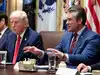
US blockade of Iran will be major military endeavor, experts say
President Trump announced a U.S. naval blockade of ships entering or leaving the Strait of Hormuz, targeting vessels paying tolls to Iran. Experts warn this open-ended military endeavor could trigger retaliation from Tehran and strain the fragile ceasefire, potentially leading to dangerous escalation.

Dollar strengthens as peace talks falter, US blockade of Iran's ports to begin
The US dollar surged to a one-week high against major currencies. This happened as peace talks between the United States and Iran collapsed. The US Navy is preparing to blockade Iranian ports. This development has triggered a risk-off sentiment in early Asian trading. The euro and British pound weakened against the dollar.

Oil jumps 8% to above $100 ahead of US blockade on Strait of Hormuz
Oil prices surged past $100 a barrel as the U.S. Navy prepared to blockade the Strait of Hormuz, following failed talks to end the war with Iran. This move is expected to significantly restrict Iranian oil shipments and exacerbate existing supply disruptions. President Trump acknowledged potential high oil and gasoline prices through November's midterm elections.

Iran's new supreme leader has severe and disfiguring wounds, sources say
Iran's new Supreme Leader Mojtaba Khamenei is recovering from severe injuries. He sustained facial and leg wounds in an airstrike that killed his father. Khamenei is participating in decision-making via audio conferencing. His health and ability to rule remain a mystery to the public. Images of him may be released in the coming months.

How many people have been killed in the Iran war?
Iran news: A devastating war has erupted in the Middle East following US and Israeli strikes on Iran. The conflict has spread, causing thousands of deaths across Iran, Lebanon, Iraq, Israel, and other nations. Civilian casualties are high, including many children. Military personnel from various countries have also been killed. The ongoing crisis highlights a significant escalation of regional tensions.
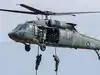
How a perilous US rescue mission in Iran nearly went off course
A US special forces mission rescued a stranded American airman deep inside Iran after a high-risk overnight operation that nearly went wrong due to aircraft failure. Under cover of darkness, commandos entered Iran, located the injured weapons specialist from a downed F-15E jet, and moved him toward extraction.
Load More

