
TRUMP IRAN DEAL
Iran not planning to attend talks with US in Pakistan
Iran is not currently planning to attend talks with the United States, state media said, after President Donald Trump ordered US negotiators to travel to Pakistan on Monday, just days before a ceasefire in the Middle East expires. Iran and the United States, along with Israel, are just three days away from the end of the two-week ceasefire that halted the Middle East war, ignited by surprise US-Israeli strikes on Iran on February 28.
Trump says US representatives heading to Islamabad for ceasefire talks; warns to 'wipe out' Iran's power plants if deal fails
American representatives are heading to Islamabad for talks with Iran. President Trump issued a stern warning of military action if Iran rejects a proposed deal. Tensions remain high in the Strait of Hormuz. Previous ceasefire negotiations in Islamabad concluded without a breakthrough. The US seeks a commitment from Iran regarding nuclear weapons.
JD Vance will lead US team to Iran talks in Pakistan: White House
US Vice President JD Vance will lead American delegates for talks with Iran in Pakistan. This comes after President Donald Trump stated he would not attend. The meetings aim to end the Middle East conflict before a ceasefire expires. Tensions are high as Iran allegedly violated the ceasefire. The US has threatened severe retaliation if a deal is not reached.
Trump accuses Iran of 'total violation' of ceasefire, threatens new attacks unless it takes deal
In a heated exchange, US President Donald Trump labels Iran's actions as a breach of the ceasefire agreement, warning of severe repercussions including attacks on critical infrastructure like power plants and bridges if they don't comply. Meanwhile, his diplomatic team has embarked on a mission to Pakistan to navigate the escalating tensions.
Allies fear a rushed US-Iran framework deal could backfire, leaving technical deadlock
US-Iran war news: European allies express concern over a potentially hasty U.S. deal with Iran. They fear an inexperienced American team might secure a superficial agreement on Iran's nuclear program and sanctions relief. This could lead to prolonged, complex follow-up talks. The U.S. White House rejects these criticisms, stating President Trump prioritizes American interests. Talks are ongoing, focusing on uranium stockpiles and sanctions.
- Go To Page 1
US Israel-Iran War Day 50: India summons Iranian envoy after attack on Indian tankers in Hormuz; Trump says talks update by day-end
Iran War News Day 50: The Iran-Israel conflict reaches 50 days. Diplomatic efforts are underway, but violence persists. India has protested Iran's actions against its ships. Global oil routes face threats. A potential US-Iran deal is discussed. Lebanon sees shifts amid ongoing strikes. The defense industry sees increased demand. The situation remains uncertain.
Pakistan only a messenger; US-Iran deal complex despite peace push: Foreign affairs expert Sanjeev Srivastava
India supports US-Iran diplomatic efforts, emphasizing dialogue and de-escalation. Defence expert Sanjeev Srivastava stated Pakistan's role is limited to that of a facilitator and messenger, lacking the credibility to influence negotiations. He noted China and other nations, including India, have encouraged dialogue, creating a positive environment for talks.

Strait of Hormuz closed again over US blockade, says Iran military command
Iran's military command has announced the closure of the Strait of Hormuz, a vital energy shipping channel, citing a US blockade. This move follows alleged US-Israeli strikes and Iran's prior threat to charge fees for passage. The strait is crucial as it handles approximately one-fifth of global oil and LNG supplies.

Trump proposes, Iran disposes: Hormuz is now a battlefield of claims
Despite President Trump's optimistic claims of breakthroughs with Iran on the Strait of Hormuz and its nuclear program, Tehran has forcefully rejected key elements, warning of renewed escalation. Both nations speak of progress while preparing for confrontation, creating a fragile and ambiguous moment centered on Hormuz and Iran's enriched uranium.
Trump says he has 'good news' on Iran, offers no clarity on peace deal
President Trump sees positive signs in Iran peace talks. A ceasefire in the Middle East conflict may be extended if a deal is reached by Wednesday. Iran has temporarily reopened the Strait of Hormuz. Shipping may return to normal soon. Talks are ongoing to resolve the conflict and Iran's nuclear program.
Iran war has revealed Trump's pressure point: the economy
Iran's actions in the Strait of Hormuz have revealed a key vulnerability for President Trump. The conflict has led to rising energy costs and inflation, impacting American consumers. This economic pressure is forcing Trump to seek a diplomatic solution. Adversaries like Russia and China are observing these developments.
'Maybe I won't extend it': Trump signals he may resume bombing Iran if ceasefire deal not reached by Wednesday
During his return journey to Washington, President Donald Trump conveyed a cautionary message to Iran, emphasizing that the ongoing ceasefire could be revoked by Wednesday if no long-term solution is negotiated. He further reiterated the continuation of the blockade on Iranian ports, hinting at the possibility of escalating military engagement if tensions persist.
Trump says Strait of Hormuz will remain under US naval blockade till Iran deal is finalised
US President Donald Trump announced that any deal with Iran will only take effect once fully finalized. He claimed major diplomatic and security progress involving Iran, Israel, and Lebanon. Trump indicated that the US naval blockade on Iranian ports will continue until a transaction is 100% complete and signed. He also mentioned nuclear-related developments and a Lebanon ceasefire.

Iran reopens Strait of Hormuz, but with strings attached
The Strait of Hormuz has reopened for commercial ships following a ceasefire between Israel and Lebanon. This move initially boosted oil markets. However, Iran has cautioned that the waterway could be shut again if the United States continues its naval blockade of Iranian ports. Meanwhile, US President Donald Trump stated a deal with Iran is nearing completion.
Trump telegraphs end to Iran war as focus turns to economy
President Donald Trump indicates a desire to conclude the US conflict with Iran. Talks have reportedly outlined an agreement, with Trump stating Iran will not close the Strait of Hormuz again. This development comes as midterm elections approach, with domestic economic concerns potentially influencing the President's decisions. Negotiations are ongoing, with a potential deal nearing finalization.
Trump says will bring Iran uranium 'back home to the USA'
President Donald Trump announced a plan for the United States and Iran to jointly remove uranium from Tehran's nuclear sites using excavators. This move is part of a potential peace deal. Trump expressed optimism about reaching an agreement soon. He mentioned the material would be transferred to US territory.
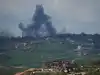
US Israel-Iran War Day 49: Trump says Iran deal 'near complete' as Strait of Hormuz reopens; oil sinks, Lebanon ceasefire holds
Iran War News Day 49: A fragile 10-day ceasefire between Israel and Lebanon has begun. This pause in fighting follows intense clashes just hours before it took effect. The Strait of Hormuz is now open to commercial shipping, boosting global markets. US President Donald Trump expresses cautious optimism about broader peace talks with Iran. Displaced Lebanese families are returning home. Maritime security operations continue.
US to recover uranium from Iran at a 'leisurely pace', Trump tells Reuters
President Donald Trump announced the United States will collaborate with Iran to retrieve its enriched uranium. He stated the process will be leisurely and the material will be brought back to America. Trump mentioned "nuclear dust" would be retrieved soon. He also confirmed the US naval blockade against Iran will continue until an agreement is finalized.
Trump signals Iran deal near, more talks likely this weekend; floats Islamabad visit plan
President Donald Trump anticipates further discussions this weekend regarding a potential Iran deal. He outlined a plan for the US to retrieve enriched uranium from Iran. A visit to Islamabad is also a possibility once an agreement is finalized. The US is working to clear mines from the Strait of Hormuz. A blockade will remain until a deal is concluded.
Iran agreed to never close Strait of Hormuz, claims Trump, as Tehran sets ceasefire deadline
US-Iran war: President Trump announced Iran has pledged to keep the Strait of Hormuz open, a significant win for US negotiators. This follows Iran's Foreign Minister declaring the vital waterway fully accessible for commercial vessels for the remainder of the ceasefire. The move aims to prevent the strait's use as a geopolitical weapon.

Trump and a camel's dream: Where exactly are US-Iran talks headed?
US President Trump claims a deal with Iran is imminent, with Tehran agreeing to surrender enriched uranium. However, Iran has sarcastically dismissed these assertions. Despite diverging narratives, Pakistan facilitates ongoing talks for a second negotiation round, aiming to de-escalate regional tensions and potentially secure an interim understanding.
Iran war should be ending 'pretty soon', claims Trump
US President Donald Trump said in Las Vegas that the war in Iran is progressing “swimmingly” and could end soon. His remarks signal optimism about the conflict’s trajectory, even as tensions persist in the Middle East and uncertainty remains over the timeline and terms of a possible resolution.
Trump characterizes Iran war as a 'little diversion'
President Trump described the US war with Iran as a "little diversion" during his second term, despite growing public disapproval. Recent polls indicate a majority of Americans believe the conflict is not worth the cost, with many also blaming the president for rising gas prices due to the Strait of Hormuz closure.

'Camel dreams of cottonseed': Iran's state broadcaster mocks Trump's peace deal claims
Iranian state media mocked US President Donald Trump after he claimed Washington was close to a deal with Tehran that would give the US “free oil and free Strait of Hormuz,” calling his remarks “building castles in the air.”
Trump says Iran to drop nukes, hand over uranium, hints Pakistan visit
President Trump revealed Iran has pledged to forgo nuclear weapons for over two decades, stating the nation has agreed to nearly all terms. He also hinted at a potential visit to Islamabad, Pakistan, if a nuclear deal is finalized and signed there. This significant development suggests a potential breakthrough in international nuclear negotiations.

Oil falls on prospects for talks to end Iran war and revive supply
Oil prices dropped as hopes rise for an end to the Middle East conflict. A ceasefire between Lebanon and Israel is in effect. President Donald Trump indicated potential talks with Iran. This development could ease disruptions to global oil supply. Analysts noted significant oil flow was impacted by the Strait of Hormuz closure.

Oil falls on prospects for talks to end Iran war and revive supply
Oil prices dipped as a 10-day ceasefire between Lebanon and Israel took effect, fueling optimism for an end to the Middle East conflict. President Trump indicated potential talks with Iran over the weekend, following Tehran's offer regarding nuclear weapons. This development comes as analysts estimate significant oil supply disruptions due to the Strait of Hormuz closure.

Trump's top aide says US blockade 'squeezing economic life' out of Iran, reiterates anti-nuclear stance
White House Deputy Chief of Staff for Policy and Homeland Security Advisor Stephen Miller said that the United States' naval blockade against Iran in the Persian Gulf is "squeezing the economic life" out of the Islamic Republic, while reiterating Washington's firm opposition to Tehran acquiring nuclear weapons as part of the deal to achieve a complete end to the hostilities in West Asia.
Load More

