
SUPPLY CONSTRAINTS

India's power transmission sector to see INR 9 trillion capex push by 2032: Report
India's T&D sector is poised for sustained growth, driven by an estimated INR 9 trillion capex through 2032. Despite temporary ordering slowdowns due to high capacity utilization and longer lead times for high-voltage transformers, a positive outlook remains. Global demand surges, particularly in the US and Europe, present significant export opportunities for Indian manufacturers.

Nigerian airlines pause flight suspension as minister urges talks on fuel costs
Nigerian airlines have temporarily suspended a planned nationwide shutdown of flight operations following a government appeal for dialogue. The Airline Operators of Nigeria (AON) agreed to pause the action pending talks with the Minister of Aviation, who called for restraint.
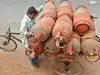
20% DME-LPG blend can cut imports by 6.3 MT, save around Rs 34,200 cr yearly: Report
India can significantly cut LPG imports by blending 20 per cent dimethyl ether, derived from coal gasification. This move could save 6.3 million tonnes of LPG annually, translating to over USD 4 billion in foreign exchange. The Bureau of Indian Standards permits this blending. Domestic DME production is currently limited, but a clear policy can unlock investments.

War-led cost surge, price curbs push beer industry into 'major trouble': United Breweries CEO & MD
The Indian beer industry is in significant trouble. Rising costs from the war, supply chain issues, and government pricing controls are impacting businesses. United Breweries CEO Vivek Gupta highlights the need for government support to prevent growth and innovation from stalling. Consumers are also shifting to cheaper options and smaller pack sizes due to financial pressures.

Aluminium prices at record highs: What’s driving the rally and what’s next?
Aluminium prices have surged to multi-year highs, driven by strong demand, supply constraints, and rising energy costs. Geopolitical tensions and declining inventories have added volatility and a risk premium. With China’s demand robust and supply tight, the outlook remains firm, though risks from easing tensions or slowdown persist.

'Want to see Strait of Hormuz opened; no privatisation, no tolls': Australian PM Anthony Albanese
In a post on X, following his participation in a virtual Leaders' Summit on the Strait of Hormuz co-hosted by French President Emmanuel Macron and UK Prime Minister Keir Starmer, Albanese said 49 countries had come together with a "consistent approach" focused on ensuring freedom of navigation.
- Go To Page 1

Financial resilience must include India’s credit-invisible workforce
India's strong digital finance infrastructure faces a challenge. Many informal workers lack financial resilience due to volatile incomes and limited savings. Global disruptions increase their budget stress.

Coming soon: Price hike round 3 in four months for durables
Consumers face another price hike on electronics like ACs, TVs, and smartphones by end April. This marks the third increase in four months. Rising costs of plastics and memory chips are forcing brands to raise prices. Daily essentials like soaps and detergents are also becoming costlier. This trend impacts consumer demand significantly.

US extends waiver allowing India and other countries to buy Russian oil
The Donald Trump administration has issued a short-term waiver allowing countries to continue buying sanctioned Russian oil loaded on ships until May 16, aiming to stabilise global energy prices amid the US-Israeli war on Iran.

US move on Russian oil waiver adds pressure as Iran war strains energy markets, India engaged in talks: Sources
India faces a tougher energy market as the US will not extend waivers for Russian oil imports. This decision impacts countries already struggling with the Hormuz crisis. Russia has assured India of continued energy supplies, including crude oil, LPG, and LNG. India's oil imports from Russia have significantly increased, making it a key market for Moscow.

Gujarat Gas rises 7% after Nomura upgrade. Is the Iran war a buying opportunity?
Gujarat Gas shares saw a significant jump after a major brokerage upgraded the stock. The US-Iran conflict is creating supply chain disruptions, impacting fuel availability. This situation presents opportunities for Gujarat Gas, especially in the Morbi region. The company is poised for potential volume growth and improved margins. Investors are watching closely as the market reacts to these developments.
Anticipating the inevitable: What India must learn from prepared economies in an age of recurring crisis
Global markets are reacting to the expectation of disruption. Countries that prepare for crises in calm times fare better. China and Russia show how foresight builds resilience. India must embed anticipation into policy. This crisis is a warning for a volatile world. Strategic resilience is cultivated before shocks arrive. The test of statecraft is the discipline to be less surprised.

Sweet trouble: World’s top chocolate maker issues warning as shares sink 17%
Barry Callebaut profit warning shocks markets. Shares crash 17% in hours. Cocoa prices collapse over 40% this year. The world’s largest chocolate maker now expects profits to fall sharply. Falling cocoa prices should help margins. But demand is weak and supply is too high. Industry overcapacity is rising fast. Global trade risks add more pressure. Shipping disruptions near key routes increase costs. The Barry Callebaut profit warning highlights deep market stress. Investors fear prolonged slowdown. The global chocolate market now faces uncertainty and volatility ahead.

Indian restaurants' 'slowdown' is ringing up a ₹79,000 cr bill as Iran war chokes LPG supply
The Indian dining scene is looking at a staggering monthly loss of ₹79,000 crore as a result of a commercial LPG shortage. This hiccup is forcing all types of eateries to shut down temporarily or seek alternative cooking methods.

India's top 8 cities see 24% dip in net office leasing in Jan-Mar: C&W
Office space leasing saw a 24 percent drop in early 2026 across India's major cities. This slowdown occurred due to reduced demand and challenges in new office space availability. Despite this, overall leasing activity increased. Global companies remain a key driver of demand. Experts anticipate a stable market with ongoing demand outpacing new supply.

India's trade gap may widen in FY27 amid global and oil risks: Report
India's trade deficit narrowed in March, but this improvement may not last. Experts warn of a widening deficit in the coming months. Factors like external shocks, slowing global demand, and import pressures are expected to impact trade. Exports face challenges due to weak global demand. The current account deficit is projected to widen.

AI demand drives chipmaker TSMC's net profit to fresh record
Governments and tech giants are pouring hundreds of billions of dollars into building new data centres that can run and train AI tools such as chatbots, image generators and agents that can execute tasks. TSMC said its net profit for the first quarter of 2026 rose a whopping 58.3% from a year ago to NT$572.5 billion ($18 billion).

Funding for innovations key for India to remain vaccine leader: Cyrus Poonawalla
Speaking to ET after receiving the Lifetime Achievement Award for 2025 as part of the ET Awards for Corporate Excellence, Cyrus Poonawalla, founder and managing director, Serum Institute of India, stressed on the need for greater investments in R&D, accelerated regulatory approvals and making supply chains stronger to help retain India's global leadership position in vaccines.

Oil Price Today (April 15): Crude oil below $95, falls for second consecutive day. What’s behind the decline?
Oil prices fell for a second day on hopes that renewed U.S.-Iran talks could ease Middle East supply disruptions after the Strait of Hormuz closure. Optimism grew after Donald Trump signaled negotiations may resume soon, raising expectations of a resolution that could restore crude flows.

Plants built for imported coal being tested for local blends
The trials, covering 10 units with a combined capacity of about 18,000 MW, will determine the extent to which such plants can shift to domestic supplies, people familiar with the matter said. The exercise is evaluating operational feasibility, including the impact on efficiency, combustion and equipment performance.

What’s happening with Brent crude and African crude prices, and why physical oil hits $150 as Europe pays record premiums amid Strait of Hormuz disruption and global supply shock fears
Brent crude and WTI oil prices are under sharp focus as physical crude for Europe has surged near $150 a barrel, based on LSEG data. This gap between futures and real oil signals a live supply crunch. The Strait of Hormuz disruption has tightened global flows. Traders are scrambling for immediate cargoes. African crude prices are also hitting fresh highs. This shows replacement demand is rising fast. Fuel shortage risks are building across Europe and Asia. Inflation pressure is returning. Energy markets are turning volatile again.

Crude at $100: Packaging costs surge, supply chains reset
Crude oil prices have surged past the $100 mark per barrel, leading to a dramatic rise in the cost of packaging materials and creating uncertainty in supply chains. Businesses are now prioritizing ensuring availability over minimizing expenses, leading many to stockpile inventory to safeguard against disruptions.

Shell steps up LNG supplies to India, wins major fertiliser tenders after Gulf disruptions
Global energy firm Shell plc has significantly increased natural gas supplies to India. This comes as disruptions from the West Asia conflict impacted supplies from Qatar. Shell's global LNG portfolio and infrastructure allowed it to step in. It became India's largest imported gas supplier in March. This ensured feedstock for fertiliser production and other industrial needs.

Iran-US war pushes polymer, resin prices up 60%; plastics exporters squeezed despite ceasefire
Freight rates jump up to 10x, polymer prices rise 60%, while supply disruptions and supply chain delays strain MSMEs and the sector's export competitiveness.

Government plans weekly system to track EXIM trends
The govt will establish a system to monitor export-import trends and industry stress weekly. This comes as global tensions and rising costs threaten domestic businesses. The commerce ministry is working to streamline procedures for cargo handling. Discussions focused on challenges faced by exporters, including packaging material costs and shipping disruptions. Industries like apparel, leather, and medical devices are particularly vulnerable.

West Asia conflict: Govt to setup weekly monitoring mechanism to track exim trends
The government is establishing a weekly system to monitor export-import trends and industry stress. This move addresses concerns over supply chain disruptions and rising costs impacting sectors like apparel and medical devices. Customs will streamline hazardous cargo procedures. The initiative aims to boost transparency and efficiency in shipping and logistics, ensuring smoother trade operations.

Centre in talks with Assam Petrochemicals, others to secure methanol supply for pharma amid West Asia disruptions
India is working to secure methanol for its pharmaceutical sector. Global supply chains are facing disruptions due to the West Asia crisis. Discussions are underway with Assam Petrochemicals and GNFC to ensure adequate methanol availability. Efforts are also focused on logistics and supply chains.

Israel-Iran war: India flags crunch in key pharma solvents used for life-saving drugs; govt moves to stabilise supply
India faces challenges with essential drug ingredient supplies. Geopolitical issues are impacting key solvents and feedstocks. However, drug prices are stable. The government is taking steps to ensure availability. Pro-rata allocation of feedstocks is underway. Methanol supply is a concern, with efforts to boost production. The situation is expected to normalize soon.

Tata Steel's T V Narendran says West Asia conflict is raising costs for steel industry
Geopolitical tensions between Iran and the United States are driving up costs for India's steel industry. Rising freight and insurance rates are the primary concerns. Supply constraints for fuels like LPG and LNG also add pressure. This impacts the entire supply chain, affecting downstream manufacturing units and customer segments like fabrication units. Steel production itself has not been affected yet.
Load More

