
STRAIT OF HORMUZ REOPENING

Peace on edge: Iran threatens payback as Beirut strike tests Trump’s deal
Iran has issued a stern warning to Israel following an attack on Beirut's southern suburbs. A senior Iranian military official stated that these actions will not be left without a response. Brigadier General Mohammad Jafar Asadi, deputy commander of Iran's highest military command, made the declaration. Tehran has indicated a retaliatory measure is imminent. The situation remains tense.

Iran says draft US deal includes oil sanctions waiver, nuclear limits and asset release
US-Iran war: Tehran and the United States are in talks over a draft memorandum. This agreement could lead to the immediate reopening of the Strait of Hormuz for all commercial ships. Iran would also dilute its enriched uranium stockpile within 60 days. In return, the US would lift oil sanctions and its naval blockade of Iranian ports.
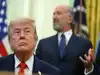
Trump says deal to end war will be signed on Sunday, Iran questions timing
Pakistan and the U.S. announced an initial deal to end the Middle East war, with an electronic signing planned for Sunday. Iran, however, denied the immediate signing, citing hesitation from the other side. The proposed agreement includes reopening the Strait of Hormuz and releasing frozen Iranian assets, though details on Iran's nuclear program and missile program remain points of contention.
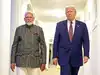
Modi-Trump bilateral among key G7 meetings as US claims 'strong' Iran deal, eyes Hormuz de-mining
US President Donald Trump will meet Indian Prime Minister Narendra Modi at the G7 Summit. Trade, visas, and energy cooperation are key topics. The US also believes a strong deal is in place with Iran to end conflict and reopen the Strait of Hormuz. This agreement could lead to sanctions relief and the release of frozen assets.
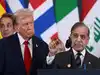
Pakistan PM says US-Iran peace deal signing expected within 24 hours
Pakistan's Prime Minister Shehbaz Sharif announced a significant development. The United States and Iran have reached an agreement on a peace deal framework. This accord is set to end the ongoing conflict in the Middle East. A final text has been agreed upon. Pakistan is now preparing for an electronic signing ceremony.

Shipowners on edge for news on Hormuz as ‘dark’ oil flows swell
Shipowners are closely monitoring a potential US-Iran peace deal and its implications for the Strait of Hormuz. While some express caution, others anticipate a surge in activity if the vital waterway fully reopens. Even now, oil is discreetly flowing through the strait. A reopening could lead to a significant influx of oil into the global market.
- Go To Page 1

What we know about a possible deal to end the Iran war
A deal to end the Middle East war and reopen the Strait of Hormuz is reportedly close. Pakistan's Prime Minister stated an agreement could be finalized within 24 hours. Iran's nuclear program terms will be settled in 60 days post-signing. Sanctions relief and asset release are also expected. The situation in Lebanon remains uncertain.

Iran-U. S war, Strait of Hormuz reopen deal between Tehran and Washington: Is the conflict finally ending?
Iran’s nuclear program has been a key point of division. The U.S. and Israel fear it could lead to an atomic weapon — a main reason their leaders cited for going to war.

Indian seafarers' deaths, disputed attacks and a widening US-Iran blame game
India watches closely as the US and Iran trade accusations over maritime incidents. Both nations present conflicting accounts of negotiations and military achievements. These disputes directly impact India, with its seafarers caught in the middle and its energy security at stake. The war over narratives is as crucial as battlefield developments.

US military's plan for ground operation to seize Iran's Uranium was paused by Trump: Report
US military leaders secretly briefed on a plan to enter Iran and seize nuclear material. Top General Dan Caine cut short a NATO meeting for these critical briefings. President Donald Trump halted the high-risk operation after warnings of severe Iranian retaliation and US casualties. Discussions about seizing enriched uranium continue despite diplomatic efforts.

US and Iran have agreed to wording of a deal to end their war, Pakistan's Shehbaz Sharif says
Pakistan's prime minister announced the U.S. and Iran have agreed on the wording of a deal to end their Middle East war. Mediators are working to finalize the agreement, which includes provisions for Iran's nuclear program and reopening the Strait of Hormuz. A signing ceremony is anticipated in the coming days.
Iran peace deal looms while new military action flares near Strait of Hormuz
The United States and Iran are reportedly close to an agreement to end their war, with both sides agreeing on a text for an initial deal. The proposed memorandum of understanding includes reopening the Strait of Hormuz and lifting the U.S. naval blockade on Iranian ports. Negotiations over Iran's nuclear program would follow the initial agreement.

Why market rallied today? Sensex zooms 1,700 points, Nifty closes above 23,600. 4 key factors behind Rs 10 lakh crore gains
Sensex and Nifty surged 2% each, adding Rs 10 lakh crore in market cap, as easing oil prices and US-Iran peace hopes boosted sentiment. Broad-based gains, a stronger rupee and global market rally supported the upmove, while analysts remain cautious on geopolitical risks.

Oil Price Today (June 12): Crude oil hits 3-month low as draft Iran-U.S. pact signals Hormuz reopening, sanctions relief
Oil prices dropped significantly, hitting a three-month low on Friday. Reports emerged of a potential deal between Iran and the United States. This agreement could ease oil sanctions and reopen the Strait of Hormuz. Earlier, U.S. President Donald Trump called off military strikes on Iran. This eased tensions after recent exchanges. The Strait of Hormuz closure has impacted global oil shipments.

Why are oil, gold and silver prices down today, and will Brent futures, US WTI crude and precious metals prices continue to drop or rise again? Market reacts to Iran peace deal hopes and rate concerns
Why are oil, gold and silver prices down today, and will Brent futures, US WTI crude and precious metals prices continue to drop or rise again? Oil, gold and silver prices moved lower after reports that the United States and Iran could reach a peace agreement. Brent futures and US WTI crude declined as fears of supply disruption eased. Gold and silver also fell due to inflation concerns and expectations that the U.S. Federal Reserve may keep interest rates higher for longer.

Iranian forces prevent tanker from entering Strait of Hormuz without coordination: Report
Iranian forces stopped a tanker from passing through the Strait of Hormuz. Reports of explosions near Bandar Abbas and Sirik were linked to military activity. Iran had previously announced a closure of the Strait. A military source stated the tanker complied after warnings.

CMA CGM chief says 'unwise' to assume Hormuz will return to pre-war situation
The head of French shipping giant CMA CGM believes the Strait of Hormuz will not return to its previous state. The company is adapting to ongoing geopolitical issues.

Why crude oil is falling fast today: Oil prices crash below $88 as US-Iran peace deal hopes send Brent crude, WTI oil and energy markets lower
Oil prices crashed below $88 after reports said a US-Iran draft agreement gained preliminary acceptance in Washington. Brent crude fell near $91, while WTI crude dropped below $88. Markets are now pricing peace instead of conflict. The shift shows how geopolitical risk, the Strait of Hormuz, and global energy supply can move oil prices faster than production itself.

US Army Apache helicopter crashes near Strait of Hormuz: Report
A U.S. Army Apache helicopter gunship crashed near the Strait of Hormuz on Monday, with both crew members safely rescued. The cause of the incident remains unclear, with possibilities including Iranian fire, mechanical failure, or another issue. Reuters has not yet verified the report.

Oil Price Today (June 9): Crude oil falls 1% as Israel and Iran pause strikes. Where is liquid gold headed?
Oil prices eased in early Tuesday trading after Iran and Israel indicated a pause in hostilities, reducing immediate concerns over supply disruptions. However, both countries kept the door open for renewed military action despite agreeing to halt attacks following an appeal from U.S. President Donald Trump.

Fitch sees global oil markets returning to oversupply after Hormuz reopens
Global oil markets are set to return to oversupply soon. Fitch Ratings reports the Strait of Hormuz closure is a temporary supply shock. Prices are expected to fall sharply once traffic resumes. The market anticipates a surplus from September. This is driven by West Asian production recovery, strong non-OPEC growth, and potential OPEC output increases.

Shipping Ministry confirms attack on vessel carrying 24 Indian seafarers south of the Strait of Hormuz
A fire erupted on the oil tanker MT Marivex, located south of the Strait of Hormuz, with all 24 Indian seafarers aboard reported safe. India's Ministry of Ports, Shipping and Waterways is actively coordinating with other government bodies and Indian embassies overseas. The tanker was reportedly empty at the time, and port operations in India are unaffected.

From trickle to torrent: Hormuz reopening may trigger a global oil flood
The reopening of the Strait of Hormuz could trigger a faster-than-expected recovery in global oil supplies. With tankers already positioned near the Gulf and oil infrastructure largely preserved during the shutdown, producers are expected to ramp up output quickly once shipping resumes. Industry experts believe a significant portion of the region's production capacity could return within days or weeks, helping restore market balance and easing concerns about prolonged supply disruptions.

Oil market likely to return to oversupply after Hormuz reopens: Fitch Ratings
Global oil markets are set to see a surplus once the Strait of Hormuz reopens. Fitch Ratings predicts this despite current price hikes. The closure is a temporary supply shock, not a permanent production loss. Markets are expected to return to oversupply by September 2026. This will be driven by Middle Eastern production recovery and non-OPEC supply growth.

OPEC+ increases production quotas for July
OPEC+ ministers decided Sunday to increase oil quotas by a total 188,000 barrels per day for July, in a move analysts said would be unlikely to have an impact on prices sent higher by the Mideast war. In that sense, the 188,000 barrels per day increase would be more of a policy signal than a real supply boost."

Pakistan's interior minister is in Tehran as the US downs more Iranian drones over Hormuz
Pakistan's interior minister is in Tehran to revive Iran-U.S. negotiations. This comes as U.S. forces downed Iranian drones near the Strait of Hormuz. Fighting between Israel and Hezbollah continues despite a ceasefire extension. Israel struck Beirut suburbs in response to earlier rocket fire. The conflict impacts global trade and risks a hunger crisis.
Strait of Hormuz: Iran-U.S. war is far from over. Here's why
Iran’s Revolutionary Guard said it had targeted the Ali Al Salem air base, which hosts U.S. forces in Kuwait, and the U.S. Navy’s 5th Fleet in Bahrain, according to the state-run IRNA news agency. The U.S. military said there were no reports of harm to U.S. personnel.

Why are oil prices up today, and will Brent futures and US WTI crude prices continue to rise or decline again? Iran war, Strait of Hormuz disruption and falling oil stockpiles drive market
Why are oil prices up today, and will Brent futures and US WTI crude prices continue to rise or decline again? Oil prices moved higher and reached a one-week high as traders watched developments surrounding Iran and the United States. Concerns over the Strait of Hormuz, lower global oil inventories, and expectations of strong summer demand supported prices. Market participants are now assessing whether Brent futures and US WTI crude prices can continue rising or face another decline depending on geopolitical and supply developments.

Oil Price Today (June 2): Crude oil at $95 per barrel amid conflicting Iran war signals. What are experts saying?
Oil prices held steady Tuesday, following Monday's surge, as global markets weighed U.S.-Iran ceasefire talks and the potential reopening of the Strait of Hormuz. Conflicting reports emerged regarding negotiations, with President Trump suggesting talks continue while Iranian media indicated a halt.
Load More

