SNAKE PREDATORS
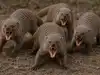
In 1979, Japan released 30 mongooses onto Amami Oshima to kill venomous snakes, and it took 45 years to fix what happened next
Japan's ambitious plan to control venomous snakes on Amami Ōshima with Indian mongooses in 1979 backfired spectacularly. The introduced predators, active during the day, failed to hunt nocturnal snakes but decimated native wildlife, including the endangered Amami rabbit. After nearly five decades and a massive eradication effort, Japan has finally declared the island mongoose-free, a rare conservation triumph.
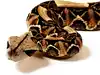
How to identify Gaboon Viper: Key physical features, range, habitat, and diet
Africa's Gaboon viper boasts the longest fangs of any venomous snake. This master of camouflage lives in forests and is a patient hunter. While docile, its bite is serious. Its venom shows promise for new medicines. Deforestation and illegal trade threaten this extraordinary reptile. Conservation efforts are underway to protect its future.
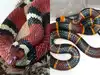
How to differentiate a Coral Snake from a Scarlet Kingsnake before you make a dangerous mistake
Encountering a red, yellow, and black snake in your garden can be alarming, as it might be a venomous eastern coral snake or a non-venomous scarlet kingsnake. While band order and head color can offer clues, geographical location and potential mimicry add complexity. Caution and observation from a distance are always advised.

Why some birds decorate their nests with snake skin, and scientists say it actually works as a defense tool
Birds are using snake skins in their nests. This unusual practice helps protect eggs and chicks from predators. Studies show this strategy is most effective in cavity nests. The snake skin acts as a warning. It discourages predators from approaching the nest entrance. This discovery highlights a clever survival mechanism in the avian world.
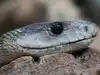
Why the Black Mamba’s speed became one of Africa’s most feared wildlife stories
The Black Mamba's fearsome image is built on its remarkable speed and active daytime hunting. Unlike many snakes that rely on surprise, this serpent is often seen moving swiftly. Its intimidating defensive displays and potent venom contribute to its dangerous reputation. While myths have exaggerated its capabilities, the Black Mamba remains a medically significant snake in Africa.
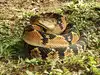
The Bushmaster Is the Longest Venomous Snake in the Americas: But Scientists Are Careful About What That Actually Means
The bushmaster, a formidable pit viper, weaves through the lush undergrowth of South and Central American rainforests. Not only does its impressive length accentuate its role as a top predator, but its venom also presents a thrilling study for herpetologists. Researchers urge a focus on its unique adaptations rather than mere size.
- Go To Page 1
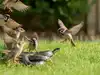
Why backyard birds gang up on snakes during breeding season
Birds aggressively chase snakes away from their nests. This behavior, known as mobbing, is a defense system to protect eggs and chicks. Birds use specific calls to alert others and gather around the threat. This tactic disorients predators. Nesting structures also play a role in defense. Mobbing indicates the arrival of breeding seasons.
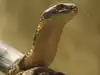
Faking death, tentacle traps, spider tails: Inside the minds of the world's most cunning snakes
Snakes are not just scary, they are strategic. Some species use mind games and fake moves to survive. The King Cobra varies hunting tactics. The Tentacled Snake tricks fish. The Eastern Hognose Snake plays dead. The Spider-tailed Horned Viper uses its tail as bait. Mambas have a two-stage venom attack. These animals show intelligence in unexpected ways.
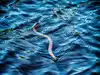
How to identify if the snake near your pond is a cottonmouth or just a harmless watersnake
Many people mistake snakes for cottonmouths. Experts say to look for specific features. Cottonmouths have stout bodies and dark facial stripes. Their pupils are vertical, unlike harmless snakes with round pupils. A heat-sensing pit is also present. Habitat and head shape alone are misleading. Cottonmouths display a white mouth as a warning.
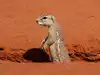
Why do squirrels rub snake scent on themselves, and what does it actually do?
Ground squirrels have a surprising survival trick. They use the smell of rattlesnakes to hide their own scent from predators. Researchers observed squirrels chewing on shed snake skin and rubbing it on their fur. This chemical camouflage helps them avoid being detected by hunting snakes. This unique behavior is a sophisticated anti-predator strategy developed over time.

Why birds suddenly avoid wind turbines painted with snake-like patterns
Scientists are exploring novel strategies to protect birds from wind turbines, moving beyond simple color changes. A new study suggests using snake-like patterns on turbine blades, aiming to trigger an instinctual wariness in birds. This approach focuses on visual cues that signal danger, potentially reducing collisions more effectively than visibility alone.
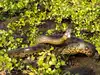
Green anacondas are the world’s heaviest snakes: Here’s how wetlands, ambush hunting, and biology shape their enormous size
In the realm of reptiles, the green anaconda reigns as the heavyweight champion among snakes, flourishing in the vibrant wetlands of South America. With a clever ambush hunting style, these serpents lie in wait, optimizing their energy usage for maximum effectiveness. Notably, female anacondas boast impressive sizes compared to males, highlighting their unique reproductive strategies.
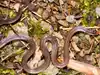
A newly found snake species survives predators by disguising its tail as a second head
Scientists have discovered a new snake species in China's Guangxi region. This tiny snake, named Calamaria incredibilis, has a tail that looks remarkably like its head. When threatened, it hides its real head and presents its tail as a decoy. This unique defense mechanism helps the snake survive. The discovery highlights the ongoing surprises in biodiversity research.
Quote of the day by 'Crocodile Hunter' Steve Irwin: ‘Crocodiles are easy. They try to kill and eat you. People are…’ – A wild lesson in awareness and trust
Steve Irwin, renowned for his work with dangerous animals, observed that human intentions can be far more unpredictable than those of predators. His quote highlights the clarity of nature's honest signals versus the potential for human deception, urging awareness of motives beyond appearances. This perspective emphasizes emotional intelligence and mindful observation as crucial survival skills.
Why Do Some Snakes Evolve Simpler Venom Instead of Potent Mixtures
Scientists are rethinking snake venom evolution. Previously, complexity was seen as superior. New research shows snakes simplify venom for specific prey, especially on isolated islands. This ecological efficiency allows them to adapt. Genetic versatility enables changes when needed. Coevolution with prey also shapes venom. This adaptability highlights evolution's focus on necessity and efficiency.
8 fascinating things you probably didn't know about the rat snake
Discover the surprising intelligence and ecological importance of rat snakes, America's original pest control. These non-venomous constrictors efficiently manage rodent populations, benefiting both suburban and rural ecosystems. Learn about their adaptable foraging habits, unique defensive displays, and how to coexist peacefully with these vital, often misunderstood, creatures.
How to keep snakes out without killing them: The habitat tweak list that actually works
Snakes visit properties seeking shelter and food. Experts advise homeowners to remove brush piles, wood, rocks, and dense vegetation. These elements provide cover and attract snakes. Modifying the yard's habitat makes it less appealing to reptiles. This approach is humane and effective for preventing snake encounters. Keeping yards clean is key to coexistence.
Five snakes that actually fly, here's what they are and where to spot them
Five species of Southeast Asian snakes defy gravity by launching from trees and flattening their bodies into a ribbon-like shape to glide. This aerial undulation, a complex maneuver involving rhythmic waves, stabilizes their flight and allows them to travel between branches, serving as a shortcut for movement and predator evasion.
12 proven ways to stop snakes from getting into your yard
Snakes are entering suburban backyards more often. This is due to landscaping that offers food and shelter. Homeowners can make their yards less appealing to snakes. Keeping grass short and removing hiding spots are effective. Avoiding overwatering and securing pet food also helps. Simple changes can make your yard less attractive to unwanted slithering visitors.
Evidence of giant serpent ‘Vasuki’ found in Gujarat: 47-million-year-old fossil reveals 50-foot predator
A massive prehistoric snake named Vasuki indicus has been discovered in Gujarat. Fossilized bones suggest this ancient serpent lived 47 million years ago. It may have stretched up to 50 feet, rivaling the largest snakes known. This discovery sheds light on India's potential role in the origin of giant snakes. The findings are based on 27 fossilized vertebrae.

Why Snakes Show Up in Suburban Yards Across Texas and California
Snakes are increasingly found in suburban areas. They seek shelter in places like wood piles and compost. Their primary reason for entering human spaces is to find food, especially rodents. Rodents are drawn to debris and food sources. This creates a food chain that attracts snakes. Habitat quality, not human preference, determines snake activity.
Why Some U.S. Snakes Stay Active After Dark
Snakes are not strictly day or night hunters. Their activity depends on warmth, food, and safety. In some areas, snakes hunt at night to find more prey or escape extreme heat. This makes snake behavior unpredictable. Studies show that even within the same snake species, activity can change based on surroundings. Snake behavior is always adaptive.
Are Smaller Snakes More Dangerous Than Adults?
Snake venom's danger is not solely based on size. Young snakes possess potent venom that quickly immobilizes prey. Adult snakes produce more complex venom affecting various body functions. While juvenile venom can be strong, the total amount injected determines human risk. Both large and small snakes pose distinct threats.
This Reptile Doesn’t Run Away, It Fights Back With Blood From Its Eyes
Texas horned lizards possess a remarkable defense. They can shoot blood from their eyes, deterring predators. This auto-hemorrhaging involves controlled blood pressure and chemicals from their diet. The blood tastes unpleasant, especially to animals that hunt by smell and taste. This unique tactic, though not always the first defense, showcases evolutionary innovation.
Some Animals Don’t Run From Snakes; They’ve Evolved to Survive the Bite
Animals are evolving diverse strategies to survive encounters with venomous snakes, moving beyond simple avoidance. Mammals like honey badgers and hedgehogs show neuromuscular receptor changes, while reptiles like Australian goannas exhibit venom tolerance. Ground squirrels produce neutralizing serum proteins, and even amphibians like caecilians have developed molecular resistance, demonstrating convergent evolution in high-risk environments.
A Rare Survival Strategy That Leaves Predators In The Wild Confused
Animals in the wild have a unique survival tactic. Instead of fighting or fleeing, some pretend to be dead. This behavior, called thanatosis, makes predators believe the chase is over. From opossums to snakes and insects, this strategy helps them escape danger. Even some fish use it to hunt. This ancient trick shows survival is about smarts, not just speed.
Viral video: Cobra vs three Mongooses at Patna Airport runway, watch what happens next
Snake vs Mongoose Viral Video: A snake was attacked by three mongooses on a runway at Patna Airport, with the intense confrontation captured on video. Initially starting as a one-on-one fight, two more mongooses soon joined in. The snake's efforts to defend itself ultimately emphasized the ongoing historical rivalry between these species.
Snake-Rabbit fight causes traffic snarl in South Carolina
A fight between a snake and a rabbit has caught the attention of netizens.
Load More