
SALMONELLA

Why Your Kitchen Sponge Might Be Making Everything Smell Worse
Your kitchen sponge, a cleaning essential, harbors billions of bacteria. Research reveals these porous tools become microbial hotspots, breeding unpleasant odors and potentially spreading germs. Scientists discovered specific bacteria linked to musty smells. Simple cleaning methods often fail to eliminate the problem. Experts advise frequent replacement to maintain kitchen hygiene.

Egg Float Test, Explained: The Simple Bowl of Water Trick To Check Freshness And When To Toss It
The egg float test, a simple kitchen method, indicates an egg's age by measuring its density, which changes as air enters the shell over time. While a sinking egg is generally fresh, a floating one is older and requires caution. However, this test doesn't guarantee safety from bacteria, making visual and smell checks crucial.

These Are the Dirtiest Spots You’re Ignoring in Home
Science reveals that common household items like kitchen sponges, refrigerator handles, and remote controls harbor more bacteria than toilets. These frequently touched, yet often overlooked, surfaces become breeding grounds for harmful germs, posing a significant risk to household health. Regular cleaning and replacement of these items are crucial for preventing illness.

This Everyday Kitchen Sponge Can Hold More Bacteria Than A Toilet Seat; Here’s Why It Happens
Your kitchen sponge may be dirtier than a toilet seat. Scientific studies reveal sponges are breeding grounds for billions of bacteria. This contamination poses serious health risks. Experts advise regular replacement of sponges. Proper drying and awareness of cross-contamination are crucial for kitchen hygiene. Rethink this everyday essential for a safer home.

This Quick Kitchen Cleaning Shortcut Could Be Ruining Your Countertops; Here’s What to Use Instead
Common household cleaning shortcuts like disinfecting wipes and vinegar sprays can cause invisible damage to kitchen countertops, leading to deeper micro-scratches and increased degradation. Studies reveal these methods can harm sealants, make surfaces porous, and even harbor bacteria, compromising hygiene and potentially leading to costly repairs or replacements over time.

Fridge Zones Explained: The Simple Trick That Makes Meal Prep Faster Every Week
Organizing your refrigerator into specific zones can significantly improve food safety and reduce waste. This scientific approach aligns with how refrigerators function, creating microclimates for different food types. By dedicating areas for proteins, produce, and prepared meals, you can streamline meal preparation. This simple change transforms your fridge into an efficient cooking tool, saving time and making meal planning easier.
- Go To Page 1
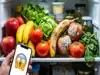
This Storage Mistake Ruins Fruit and Vegetables Sooner Than Expected
Food waste from fruits and vegetables is a common kitchen problem. Research shows improper storage, especially mixing ethylene-producing fruits with others, accelerates spoilage. Ethylene gas, released by items like bananas and apples, causes rapid ripening and decay in sensitive produce. Simple separation in refrigerators and proper handling of moisture can extend freshness, saving money and reducing waste.

The Overlooked Kitchen Surface Where Bacteria Spreads Fastest
Your kitchen sponge may be dirtier than you think. Scientific studies reveal sponges are a breeding ground for bacteria, spreading germs like E. coli and Salmonella. Countertops and cutting boards are less contaminated. Regular replacement and proper drying are crucial. Treating your sponge with care is a simple yet effective step for home food safety.

Bharat Biotech bets on vaccines to fight drug resistance, eyes post-Covid growth
Hyderabad-based Bharat Biotech is developing novel vaccines to combat antimicrobial resistance (AMR), a significant global health threat. The company aims to administer these vaccines pre-surgery to prevent hospital-acquired infections, addressing a growing need due to rising drug resistance.

Fridge-stored roti dough cause stomach issues? Expert reveals if cold-fermented chapati atta is safe & how to store it properly
Chilled Chapati Dough: Social media claims that chilled chapati dough causes digestive issues are debunked by food expert Krish Ashok. He explains that cold fermentation, a common baking technique, slows microbial activity, making dough easier to digest and improving its flavor. Proper refrigeration prevents harmful bacteria, ensuring safety.

How to dry papaya seeds at home in simple three steps: The powerful superfood for cancer prevention, blood sugar control and liver health
Papaya seeds are a powerhouse of nutrients, possess anti-cancer properties, help in digestion, help in blood sugar control, and also help in liver detoxification. You can dry the papaya seeds at home in just three simple steps. First, gently remove the seeds, wash them thoroughly and then dry them in an oven or a dehydrator.

Is your milk safe? Know about coliform bacteria that is allegedly being linked to packaged milk?
Is your milk safety under the scanner? Recently, milk pouches were found to have coliform levels 98 times higher than FSSAI’s prescribed limits after lab tests, thus raising concerns about milk safety in many Indian households. Coliform bacteria's presence in milk there may have been problems in the efficiency of heat treatment or re-contamination after heat treatment.
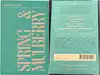
Chocolate recall: Spring & Mulberry pulls Mint Leaf bars over possible Salmonella risk; what consumers should do and how to get a refund
Chocolate recall: Spring & Mulberry is recalling one lot of its Mint Leaf Date Sweetened Chocolate Bar. This action follows concerns of possible Salmonella contamination. The affected product was sold nationwide through online platforms and select retailers starting September 15, 2025. Consumers are advised not to consume the chocolate and to seek a refund. No illnesses have been reported so far.

14 US states on high alert due to salmonella outbreak as nearly 100 fall sick: Check symptoms and treatment
A Salmonella outbreak linked to eggs has sickened at least 95 people across 14 US states, according to the Centers for Disease Control and Prevention (CDC). The affected eggs were sold under the brand names Nagatoshi Produce, Mishuo, and Nijiya Markets. Consumers can identify them by the code CA 7695 and sell-by dates ranging from July 1 to September 16.

Salmonella outbreak traced to recalled eggs; infects 95 people across 14 states, California hardest hit
A salmonella outbreak linked to Country Eggs in California has sickened at least 95 people across several states. The CDC reports that the recalled eggs, sold under various brand names, were distributed in California and Nevada. Investigations reveal a high percentage of those infected consumed eggs before falling ill. Several restaurants have been identified as potential sources of the outbreak.

What is Salmonella? Illness behind Canada’s massive Pistachio recall
The Canadian Food Inspection Agency has issued a recall for several pistachio brands due to a Salmonella outbreak. This action follows an investigation that linked contaminated pistachios and pistachio-containing products to 52 illnesses, with 10 hospitalizations. Health officials anticipate more cases in the coming months, highlighting the risk of Salmonella infection from contaminated food.
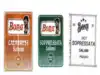
Major Canada meat recall over Salmonella risk; over 60 salami products included across six provinces
A widespread health warning has been issued in Canada following a recall affecting more than sixty salami and cacciatore items. Spanning six provinces, this recall is a response to salmonella contamination that has resulted in eighty-six reported infections. The provinces hit hardest include Alberta, Ontario, British Columbia, and Manitoba, with some cases severe enough to necessitate hospital visits.

Are you unknowingly risking salmonella from your eggs? Dozens sickened in massive outbreak linked to brown organic eggs — 1.7 million recalled nationwide. Here’s what you need to know before it’s too late!
Salmonella outbreak linked to eggs forces a swift recall of 1.7 million brown organic and cage-free cartons from August Egg Company, Hilmar, California. Federal investigators say 79 people across seven states, mostly California, fell ill and 21 were hospitalized after eating contaminated eggs sold between February 3 and May 15, 2025, at Walmart, Safeway, Ralphs, Raley’s, Save Mart and FoodMaxx. The FDA found the same salmonella strain in the plant; the CDC urges shoppers to discard affected cartons with sell-by dates March 4–June 19, 2025, wash kitchen surfaces thoroughly, and watch for fever, diarrhea or stomach cramps within 72 hours of possible salmonella food poisoning symptoms.

Salmonella outbreak connected to egg recall sickens dozens in 7 US states: Know the bacteria and its symptoms
Almost 2 million cartons of eggs across the United States have been pulled off shelves because of the threat of a salmonella outbreak. The recall, announced Friday by California-based manufacturer August Egg Co., affects dozen-egg packages distributed to retail chains in at least nine states: California, Washington, Nevada, Arizona, Wyoming, New Mexico, Nebraska, Indiana and Illinois. Salmonella, a group of bacteria, is one of the most common causes of food poisoning in the United States.

Egg recall expands to 9 states after Salmonella outbreak leaves dozens ill, officials urge caution - check map
Egg recall expands to 9 U.S. states after a Salmonella outbreak sickened at least 79 people and sent 21 to hospitals. Eggs from August Egg Company, sold at major stores like Walmart and Safeway, may be contaminated. With summer recipes using eggs more frequently, officials are urging everyone to check cartons for specific plant codes and dates. This egg recall story matters—it’s about food safety, your family’s health, and avoiding a serious infection. Want to know which brands are involved and what you need to do?

Salmonella outbreak expands to 18 States, sickening 45 people
A Salmonella outbreak linked to Bedner Growers' cucumbers has affected many people. Forty-five individuals across eighteen states are sick. Sixteen people needed hospitalization. The contaminated cucumbers were sold in various stores. Target and Walmart recalled related products. The CDC and FDA are investigating multiple Salmonella strains. The outbreak has spread through cruise ships too.

Salmonella outbreak hits Canada: 61 sick, 17 hospitalised, cases linked to contaminated mini pastries
Canada is facing a widespread salmonella outbreak tied to Sweet Cream mini pastries, with 61 confirmed cases and 17 hospitalisations. The affected pastries were distributed to bakeries, hotels, and other establishments across multiple provinces. Authorities have issued a recall, urging consumers to discard or return the product. Officials warn that more cases may arise due to delays in reporting, while highlighting the importance of food safety measures to prevent further infections.

Eggs recalled due to Salmonella contamination: Here are the affected brands, full product list, and dangers of the bacteria
The Canadian Food Inspection Agency recalls six egg brands due to potential salmonella contamination. Consumers are advised to check specific lot numbers, discard or return the affected eggs for a refund. Recalled brands include Golden Valley, Compliments, Foremost, IGA, No Name, and Western Family. Salmonella can cause severe illness, and awareness is crucial to prevent health risks.

New health panic in US? Salmonella-related illness count increases to 68, sliced cucumbers now called back from these stores
The US is facing another major pang of food-related health crisis, with salmonella-related illness spreading its wave, with latest reports claiming that the count has now increased to a whopping 68. Meanwhile, new items like Sushi, Salad, Sliced Vegetables have been added to the latest recall list across various stores
After pesticide, MDH now faces heat for Salmonella contamination. Here's what it is
The US reportedly rejected nearly a third of Mahashian Di Hatti Pvt Ltd (MDH) shipments since October 2023 due to salmonella. This doubled from 15% in 2022. The FDA recalled Everest Food Products in 2023 over salmonella. Singapore and Hong Kong also acted due to pesticide contamination.

Christmas, New Year holiday season: How to remain safe from Salmonella infection
With the onset of December, Christmas and New Year festival season gradually approaches. People across the US must be aware of Salmonella infection which can life-threatening sometimes.

Cantaloupe salmonella outbreak in US: Multiple deaths, 32 states affected
CDC or the US Centers for Disease Control and Prevention has reported two deaths, illness, and hospitalizations.
Cantaloupes recalled in several US states over likely salmonella contamination. Check side effects, disease
Fresh cantaloupes are being recalled by Trufresh over potential salmonella contamination in the US. However, there is no reason to panic so far.
USFDA finds Salmonella bacteria in MDH sambar masala
Consumption of food contaminated with Salmonella can cause salmonellosis, one of the most common bacterial foodborne illnesses.
Load More

