
PORT OPERATIONS

Japan Earthquake: Bullet train services halted between Tokyo–Aomori
Earthquake Today in Japan: A magnitude 7.5 quake off Japan's coast has halted bullet train services between Tokyo and Aomori. The powerful tremor triggered a tsunami warning, prompting authorities to suspend Shinkansen operations as a safety measure. Railway operators are assessing tracks and infrastructure following the seismic event.
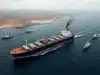
Hormuz traffic at standstill as US vessel seizure widens risk
Commercial traffic in the Strait of Hormuz has halted again. This follows a brief reopening over the weekend which ended with the US seizing an Iranian ship. This action has raised concerns for shipowners. Benchmark oil prices have jumped. A fragile US-Iran ceasefire is set to expire soon.
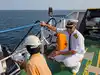
US-Iran war: An Iraqi captain keeps sailing despite the threat of attack amid regional war
Oil tankers face danger in tense waters between the Gulf of Oman and Strait of Hormuz. Iraqi Captain Rahman Al-Jubouri works on the Sea Moon, a Palau-flagged vessel. He has experienced attacks and crew members have left due to fear. The ongoing conflict disrupts global trade and poses risks to maritime operations.
Iranian forces launch drones toward US warships after attack on commercial ship in Sea of Oman: Iran media
Iranian forces launched drones at US warships after an attack on an Iranian commercial vessel in the Sea of Oman. The IRGC claimed US forces retreated after firing at the vessel, which Iran accused the US of seizing in violation of a ceasefire. Tensions escalate in the Strait of Hormuz amid accusations of maritime piracy and blockade violations.

India, Russia ink pact to station 3,000 troops, warships and aircraft in each other’s territory
India and Russia have entered into a reciprocal logistics agreement allowing up to 3,000 troops, naval ships, and aircraft to be stationed in each other's territories. This pact, effective January 12, 2025, aims to bolster long-term military cooperation, facilitate joint exercises, and enhance interoperability in the Indo-Pacific and Arctic regions.
Indian ships reverse course in Hormuz strait, vessel tracker says
In a tense standoff, two Indian vessels opted to reverse course in the Strait of Hormuz following gunfire allegedly from Iran's Revolutionary Guard. Among them was an Indian-flagged super tanker, transporting Iraqi oil. Iran has reiterated the implementation of restrictions in the strait, but fortunately, both the tanker and its crew are reportedly unharmed.
- Go To Page 1
Ukraine strikes Baltic Sea port, Volga river industrial sites
Ukrainian drones targeted industrial cities along the Volga River and a Baltic Sea port near St. Petersburg. A fire was extinguished at the Vysotsk port, which handles fuel exports. Attacks also hit industrial targets in Syzran and Novokuibyshevsk, cities known for their oil refineries.
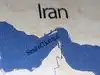
IRGC imposes strict navigation rules in Strait of Hormuz amid US blockade on Iranian ports
Iran's IRGC Navy has imposed new restrictions on maritime traffic through the Strait of Hormuz, permitting only civilian vessels on designated Iranian routes. Military ships are explicitly barred from transiting the vital waterway. These directives follow Iran's announcement of opening the strait and come amid US President Trump's insistence on maintaining a naval blockade until a full agreement is reached.
21 ships turned back to Iran since US blockade began, says CENTCOM
The United States Central Command (CENTCOM) on Saturday said that 21 vessels have been compelled to turn back toward Iran since the United States initiated a naval blockade targeting access to Iranian ports amid diplomatic engagements in order to achieve a complete solution to the hostilities in the region.

India explores FTA full use with Norway, sets up fast-track investment system with Austria
India and Norway are enhancing cooperation in energy, maritime, and biotech sectors. Norway sees growing investment interest in India. Meanwhile, India and Austria have launched a Fast-Track Mechanism to facilitate investments and resolve issues. This initiative aims to expand bilateral trade and leverage industrial complementarities. Both nations are prioritizing sustainable development and green technologies for future collaboration.

Ports listing concessions for stranded containers on website
Indian ports are now displaying stranded cargo eligible for concessions on their websites. This move aims for transparency and ensures exporters receive benefits directly. Jawaharlal Nehru Port alone has provided concessions worth around Rs 22 crore. The government is actively engaging with stakeholders to resolve issues. Shipping lines are cautioned against profiteering from the West Asia crisis.

Around 10.10 lakh passengers travelled to India since February 28 from region amid West Asia tensions, says Govt
India is ensuring smooth functioning across key sectors amidst the West Asia situation. The Petroleum Ministry guarantees uninterrupted fuel and LPG supply. Commercial LPG prioritizes essential services. Refineries operate at high capacity with adequate crude. Indian vessels and seafarers are safe. Flights continue to operate, with many passengers returning. The government is actively monitoring and coordinating efforts.

US ready to resume strikes if Iran rejects peace deal, warns Hegseth
U.S. Secretary of War Pete Hegseth warned Iran that the United States is strengthening its military power and will maintain a maritime blockade "for as long as it takes." He stated that U.S. forces are prepared to resume combat operations if Iran does not agree to a peace deal, emphasizing that the U.S.

Trump's top aide says US blockade 'squeezing economic life' out of Iran, reiterates anti-nuclear stance
White House Deputy Chief of Staff for Policy and Homeland Security Advisor Stephen Miller said that the United States' naval blockade against Iran in the Persian Gulf is "squeezing the economic life" out of the Islamic Republic, while reiterating Washington's firm opposition to Tehran acquiring nuclear weapons as part of the deal to achieve a complete end to the hostilities in West Asia.
How a US blockade on Iran has sanctioned ships turning around
The US Navy’s blockade of Iran is showing impact, with sanctioned vessels turning back or halting after crossing the Strait of Hormuz. Officials say maritime trade has been effectively stopped, raising pressure on Iran’s economy, even as risks persist with spoofed ship data and volatile regional shipping conditions.
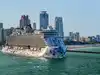
World’s first 100% electric cruise ship revealed — can carry 1,900 guests at sea
A German company has unveiled the first all-electric cruise ship. This massive vessel, named Project Vision, will carry 1,900 guests. It aims to significantly cut emissions, offering a cleaner way to travel. The ship is expected to be operational by 2031. This innovation could transform the cruise industry, making sea travel more sustainable for the future.
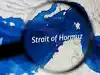
Hormuz shipping muted as US blockade takes hold: Tracking data
A trickle of ships crossed the Strait of Hormuz Tuesday and Wednesday as a US blockade appeared to further curb traffic in the trade route already paralysed by Iranian forces, marine tracking data showed. Here are the latest developments in the strait, - US blockade enforced - The US military said the blockade of vessels either departing or destined for Iranian ports had been fully implemented during the first 48 hours.
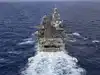
Indian LPG vessel Jag Vikram docks at Kandla after Strait of Hormuz transit, first Indian ship through since US-Iran ceasefire
The Indian LPG tanker Jag Vikram became the first Indian vessel to cross the Strait of Hormuz since the US-Iran ceasefire, highlighting cautious resumption of maritime movement amid ongoing tensions. The government is meanwhile working to bring back other stranded Indian ships as disruptions continue in the region.

Trump deploys 10,000 troops, over 12 warships & more for Hormuz blockade; no ships cross in first 24 hours, says US Central Command
America has initiated a naval blockade around Iranian ports. Over ten thousand American personnel, warships, and aircraft are part of this operation. The mission aims to restrict ships going to and from Iranian ports. In the first day, no ships passed the blockade. Six merchant vessels turned back towards Iranian ports in the Gulf of Oman.

Ukraine strikes on Russian oil ports put India’s refining lifeline at risk, IEA warns
Ukraine’s drone strikes on key Russian oil ports — Primorsk, Ust-Luga and Novorossiysk — are threatening India’s crude supply chain, with the International Energy Agency warning of potential disruptions to refining operations. With about 80% of India’s Russian imports routed through these hubs, any prolonged outage could tighten feedstock availability, even as reliance on discounted Russian crude has surged and alternative supplies remain limited.
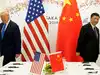
'Don't meddle in our affairs': China backs Iran, warns US against interference after Hormuz blockade
China has backed Iran and warned against outside interference following the US announcement of a naval blockade on maritime traffic linked to Iranian ports. Beijing confirmed its vessels continue to operate in the Strait of Hormuz, stressing its economic ties and commitment to honouring agreements with Tehran.

Trump warns of elimination if Iranian Navy ships hinder Hormuz 'blockade'
Iran news: America has begun blocking ships in the Strait of Hormuz. President Donald Trump warned Iran's Navy ships of immediate elimination if they approach the blockade. He stated that 158 Iranian ships have already been destroyed. This action aims to force Iran to agree to open the waterway and accept a peace deal.
India gets first Iranian oil in 7 years, ship tracking data shows
Indian ports have received two large crude carriers loaded with Iranian oil. This marks the first purchase from Iran in seven years, enabled by a temporary US waiver. The waiver expires soon. Indian Oil Corp and Reliance Industries are among the refiners taking advantage of this opportunity.
Iran slams US plans of blockade of its ports, says no Gulf port will be safe if its maritime security is threatened
An Iranian Armed Forces spokesperson called U.S. restrictions on vessels in international waters “illegal” and said they amount to piracy, warning that Iran will enforce a “permanent mechanism” to control the Strait of Hormuz.
Iran oil ships dock at key Indian ports even as Trump threatens blockade
Two supertankers carrying Iranian crude have arrived in India, marking the first deliveries in nearly seven years. These shipments, totaling approximately 4 million barrels, were made possible by a temporary US sanctions waiver aimed at easing global supply disruptions. The waiver expires soon, with a US blockade of Iranian ports now in effect.

Pakistan: In a first, Baloch fighters launch sea attack, three Coast Guard personnel killed near Iran border, Gwadar
Three Pakistan Coast Guard personnel were killed in an attack by Baloch fighters on a patrol boat near the Pakistan-Iran border. This marks a significant tactical shift for the Balochistan Liberation Army, moving from land-based operations to maritime strikes, widening the conflict's scope.

West Asia crisis is not a profiteering opportunity: Shipping Minister Sarbananda Sonowal
Minister Sarbananda Sonowal stated the West Asia crisis must not be exploited for profit. He directed transparency in shipping charges and swift passage of financial relief to stakeholders. Nearly 90% of backlog cargo is cleared. DG Shipping also mandated immediate concessions for exporters with Gulf-bound stranded cargo. Higher war-risk insurance premiums were flagged for proportionate freight charge revisions.

West Asia crisis: Commerce ministry discusses shipping, port, packaging challenges with exporters
Indian commerce ministry met with exporters to tackle West Asia crisis impacts on packaging, shipping, and port operations. Discussions addressed rising material costs, supply chain disruptions, and potential solutions.
DG Shipping orders ports to pass export concessions upfront, flags war-risk charges
India's Directorate General of Shipping is ensuring exporters with stranded Gulf-bound cargo receive immediate concessions. Ports must pass on waivers directly, not through reimbursements. Shipping lines must also transparently reflect war-risk insurance premium revisions in freight charges. This move aims to protect exporter interests and maintain operational continuity during the ongoing crisis.
Load More

