
OMAN OIL PRICES
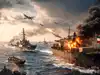
US–Israel–Iran War Day 52: Strait of Hormuz explodes into chaos as US seizes Iranian cargo ship; Tehran cries 'piracy', Pakistan’s peace push hangs by a thread
Iran War News Day 52: On Day 52 of the US–Israel–Iran war, tensions have intensified after the US seized an Iranian cargo ship, prompting Tehran’s threat of retaliation. The crisis in the Strait of Hormuz continues to disrupt global oil supplies, pushing crude prices higher. With talks stalled and military posturing rising, fears of a wider regional conflict and prolonged energy crisis are growing.
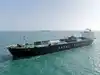
Iranian forces launch drones toward US warships after attack on commercial ship in Sea of Oman: Iran media
Iranian forces launched drones at US warships after an attack on an Iranian commercial vessel in the Sea of Oman. The IRGC claimed US forces retreated after firing at the vessel, which Iran accused the US of seizing in violation of a ceasefire. Tensions escalate in the Strait of Hormuz amid accusations of maritime piracy and blockade violations.

Tehran says restrictions on Iranian oil come with a price
Iran's top official warned global fuel prices will remain unstable unless pressure on its oil exports ceases. He stated a free oil market is essential for everyone's security. Oil prices surged as tensions between Iran and the US disrupted tanker traffic in the Strait of Hormuz.

How 50 days of the Iran war led to the loss of $50 billion worth of oil
Global oil markets have lost over 500 million barrels since the Iran conflict began, worth nearly $50 billion. Supply disruptions across the Gulf have tightened inventories and hit exports sharply. Despite partial ceasefire signals and Strait of Hormuz reopening, analysts expect recovery to be slow, with lasting energy market shocks.

Indian refiner Reliance rejects Iran oil cargoes as waiver deadline looms
Reliance Industries has rejected two Iranian oil cargoes. This comes just before a U.S. waiver on Iranian oil exports expires. Washington will not renew these waivers. India had allowed Reliance to buy Iranian oil on several sanctioned tankers. Reliance stated the Derya tanker cargo did not meet compliance requirements. Indian Oil Corp recently bought Iranian crude.

Oil producers, shipowners in standoff over who takes Hormuz risk
This standoff highlights the extreme dangers of this vital energy route, with owners demanding unrealistic guarantees and charterers unwilling to accept the burden.
- Go To Page 1
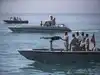
China asks Iran to ensure freedom of navigation through Strait of Hormuz
China's Foreign Minister Wang Yi has urged Iran to guarantee safe passage through the Strait of Hormuz. This critical waterway is vital for global oil trade. China, a major importer of Iranian oil, is concerned about energy disruptions. The call comes as Pakistan attempts to mediate new peace talks between the US and Iran.

From dropping bombs to pressuring banks: US pivots to economic warfare on Iran
The Trump administration is shifting its Iran strategy towards economic pressure, threatening secondary sanctions on countries doing business with Tehran. Treasury Secretary Scott Bessent stated these moves are the "financial equivalent" of a bombing campaign, aiming to choke Iran into submission. This escalation targets entities like Chinese banks and warns allies like the UAE, as the U.S.
Indian officials see Iran war oil shock as disruptive as Covid
India is drawing on its Covid-era playbook to cushion the economic blow from the Iran war, with officials warning the disruption to energy supplies could rival the pandemic, threatening growth, widening the fiscal deficit, and pushing the rupee to record lows.
How a US blockade on Iran has sanctioned ships turning around
The US Navy’s blockade of Iran is showing impact, with sanctioned vessels turning back or halting after crossing the Strait of Hormuz. Officials say maritime trade has been effectively stopped, raising pressure on Iran’s economy, even as risks persist with spoofed ship data and volatile regional shipping conditions.
US announces new sanctions on Iranian oil as it holds Hormuz 'hostage'
The United States is intensifying sanctions on Iran's oil industry, targeting over two dozen individuals, companies, and ships linked to petroleum magnate Mohammad Hossein Shamkhani. This action aims to curb Iran's revenue generation as it continues to blockade the Strait of Hormuz amid the ongoing Middle East war.
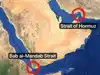
What is Bab el-Mandeb? The critical trade route Iran threatens to shut down
The Iran Red Sea trade threat has intensified sharply, with tanker traffic through the Strait of Hormuz falling below 10% of its normal daily volume. This is a critical global chokepoint. The crisis is escalating fast. Iran has warned it may expand disruption into the Red Sea and nearby routes. The U.S. blockade ordered by Donald Trump has increased tensions further. Global oil supply is at risk. Shipping costs are rising. Markets are reacting. The Iran Red Sea trade threat now signals deeper instability ahead.
Despite Trump's naval blockade, Iran has not run out of cards
Iran warns it could block vital shipping lanes including the Persian Gulf, Sea of Oman, and Red Sea. This move escalates tensions with the US amid ongoing talks. Pakistan is mediating to prevent further conflict. Iran's threat highlights its asymmetric capabilities to disrupt global trade and raise costs for all involved.
Trump says Iran war 'close to over'; army chief of mediator Pakistan arrives in Tehran
President Trump anticipates the war with Iran is nearing its end, with Pakistan's army chief arriving in Tehran to mediate further talks. Diplomatic efforts aim to bridge gaps after previous negotiations stalled, while the U.S. continues to intercept vessels and Iran warns of retaliation against its port blockades.

US Treasury says not renewing temporary Iran oil sanction easing
The US Treasury Department said Tuesday it does not plan to renew a temporary easing of sanctions on Iranian oil that aimed to ease war-related supply shocks. The temporary easing on Iranian oil previously was part of a series of measures launched by the Trump administration to quell skyrocketing energy prices following the start of the war on February 28, including a similar easing of sanctions on Russian oil at sea.

US destroyer turns back 2 Iran oil tankers after Donald Trump blockade begins
A U.S. destroyer intercepted two oil tankers departing Iran and ordered them to turn back, marking early enforcement of Donald Trump’s Hormuz blockade. The move signals rising tensions as Washington ramps up pressure on Tehran amid ongoing conflict and fragile ceasefire talks.

West Asia conflict: India's soybean meal exports fall 63%
India’s soybean meal exports dropped nearly 63% to 60,000 tonnes in March, hit by high domestic prices and disruptions from the West Asia conflict, according to Soybean Processors Association of India. Shipments to key markets like Iran and the UAE were affected. However, domestic demand stayed strong, with consumption rising to six lakh tonnes, supported by the animal feed industry.
Iran war: Six ships turned around as part of Strait of Hormuz blockade, US military says
US-Iran war news: A U.S. naval blockade is in effect around Iran's ports and coastal areas. No ships have successfully passed the blockade. Six merchant vessels have turned back following U.S. military orders. This action follows the breakdown of peace talks between the U.S. and Iran. The blockade impacts vessels going to or from Iran.

Why are oil and gas prices down today, and will Brent crude and US WTI crude futures continue to drop or rise again soon? Analysts insights, market outlook and what should investors do now
Why are oil and gas prices down today, and will Brent crude and US WTI crude futures continue to drop or rise again soon? Oil and gas markets moved lower after signals of possible US-Iran talks eased supply fears linked to the Strait of Hormuz blockade. Brent and WTI dropped after sharp gains. Analysts warn that lost oil supply, lower inventories, and uncertain negotiations may still push prices higher again soon.
Oil prices fall as US-Iran dialogue hopes ease supply concerns
Oil prices dropped as talks between the U.S. and Iran offered hope for de-escalation. This eased worries about supply disruptions from the U.S. blockade of the Strait of Hormuz. Brent and WTI crude futures saw declines. Analysts suggest tight oil balances could keep prices elevated. International bodies urged nations to avoid hoarding energy supplies.
Peak oil price likely to come 'in next few weeks,' US Energy secretary says
Oil prices are likely to peak in the coming weeks as shipping traffic gradually resumes through the Strait of Hormuz, US Energy Secretary Chris Wright said on Monday.
How a US blockade near the Strait of Hormuz could work and the impact ahead for the global economy
A United States blockade of Iranian ports is set to disrupt global oil prices. This move raises concerns about international law and its effectiveness in pressuring Iran. Experts warn of significant challenges in enforcing the blockade. The restrictions could impact the flow of essential goods, leading to higher prices for consumers worldwide.

Iran threatens to retaliate against Gulf ports for US blockade
The United States military will blockade ships leaving Iran's ports starting Monday. Iran has threatened retaliation against Gulf neighbors. Oil prices have jumped significantly as the Strait of Hormuz remains closed. Talks to end the conflict have broken down. NATO allies refuse to join the blockade. US President Trump warns high gas prices may persist.
Will US naval blockade on Iranian ports successful in ending already-fragile ceasefire? Global oil, Strait of Hormuz, Donald Trump, Iran tensions explained
Will US naval blockade on Iranian ports successful in ending already-fragile ceasefire? The United States has launched a naval blockade targeting ships linked to Iranian ports after failed talks. Warships are near the Gulf of Oman and the Strait of Hormuz. Iran has issued warnings. Oil prices, shipping, and global trade face pressure. This explainer covers the blockade, ceasefire risks, oil supply impact, diplomacy, and global reactions.
Iran slams US plans of blockade of its ports, says no Gulf port will be safe if its maritime security is threatened
An Iranian Armed Forces spokesperson called U.S. restrictions on vessels in international waters “illegal” and said they amount to piracy, warning that Iran will enforce a “permanent mechanism” to control the Strait of Hormuz.

Oil prices jump 7% to top $102/ bbl ahead of US blockade on Iran
Oil prices jumped back above $100 a barrel on Monday as the U.S. Navy prepared to block ships to and from Iran via the Strait of Hormuz in a move that could restrict Iranian oil exports after Washington and Tehran failed to reach a deal to end the war.
The $150 crude oil warning: US-Iran conflict sends shockwaves through global energy markets
Brent crude surged past $100 as the US announced a naval blockade on Iranian ports, escalating the US–Iran conflict and sparking fears of a massive supply shock. Analysts warn prices could jump to $150 if the blockade persists, with up to 12 million barrels a day at risk and global inflation pressures intensifying.

Oil Price Today (April 13): Crude oil reclaims $100 as failed peace talks trigger US move to block Iran-linked Hormuz flows. What’s next?
Oil prices have soared past $100 a barrel as the U.S. Navy moves to block Iranian access via the Strait of Hormuz, following failed peace talks. This action, effective Monday, threatens Iranian exports and has reversed recent price drops. Experts predict sustained high prices, potentially reaching $150 if disruptions continue.

US blockade of Iran will be major military endeavor, experts say
President Trump announced a U.S. naval blockade of ships entering or leaving the Strait of Hormuz, targeting vessels paying tolls to Iran. Experts warn this open-ended military endeavor could trigger retaliation from Tehran and strain the fragile ceasefire, potentially leading to dangerous escalation.
Load More

