
MOODYS RATINGS

War revives stagflation dangers for global economy
Global economic outlook faces uncertainty as seven weeks of Middle East conflict impact growth and inflation. Business surveys from Australia to the US will reveal the extent of deterioration, with stagflation risks looming. Policymakers grapple with responses amid persistent global uncertainty, while inflation data and interest rate decisions from various nations are closely watched.

As Male faces stress, India weighs currency swap extension
India is reviewing the Maldives' plea for an extended currency swap facility. The island nation faces significant economic strain, compounded by regional conflicts. While India has previously offered substantial financial aid, current regulations present hurdles to fulfilling this latest request. A denial could further strain the Maldives' finances in the near future. Major debt repayments are also looming.

From setbacks to second wind, what next for Ola and Bhavish Aggarwal?
Ola Electric is struggling to revive its position after a sharp fall in market share, financial stress and operational challenges. Founder Bhavish Aggarwal has shifted focus to fixing service issues and pushing aggressive price cuts and battery-led growth, even as competition from established players intensifies.
Moody's cuts outlook on US BDCs to 'negative' on redemption pressure, rising leverage
Moody's Ratings on Tuesday revised its outlook on U.S. business development companies (BDCs) to negative from stable, citing rising redemption pressures, higher leverage and weakening access to funding markets.

India's GDP may come down to 6.5% in FY27, if crude remains at USD 100: CareEdge
Rising crude oil prices due to the West Asia conflict pose a threat to India's economy. Economic growth may slow, and inflation is projected to increase significantly. Several sectors face high impact from these price hikes and supply concerns. Domestic demand provides support, but elevated oil prices remain a key risk to overall growth.

Boom or bust? Analysts reveal what lies ahead for India Inc in FY27 amid Iran war
Indian businesses brace for 2026-27 with geopolitical tensions and AI reshaping industries. While core sectors show stability, policy shifts and costs pose challenges. Experts see opportunities for long-term growth. Banks anticipate margin recovery. FMCG expects better earnings. IT navigates AI disruption. Oil and gas faces price volatility. Pharma deals with supply chain issues. Navigating these dynamics will be key.
- Go To Page 1

Could rising gas prices trigger a recession? What experts say and how to prepare
US recession fears 2026: Soaring gas prices are fueling worries of a US recession, with economists citing a nearly 50% chance within a year. Elevated oil costs, exacerbated by the Iran conflict, are squeezing consumer budgets, potentially leading to reduced spending, job cuts, and further economic pressure. Experts advise building emergency funds and managing finances proactively.

HPCL, BPCL, IOC shares surge up to 4% as oil falls below $100 amid hopes for Iran-US war cooling off
Oil marketing company shares saw a significant jump on Wednesday. This rise followed a drop in oil prices below the $100 per barrel mark. Investors are hopeful for an end to the Iran-US conflict. This development has cheered shareholders of companies like HPCL, BPCL, and IOC. Earlier, rising oil prices had impacted these companies negatively.

US Stocks: US food giant Sysco strikes $29 billion deal for catering supplier Restaurant Depot; shares drop 12%
Sysco said on Monday it would buy catering supplier Jetro Restaurant Depot in a $29 billion deal, including debt, expanding the top U.S. food distributor's reach among price-conscious independent restaurants.

US recession 2026: 40% recession risk, oil nearing $100, rates at multi-year highs — is the crash now a question of timing, not if?
Recession fears are back in focus, with economists now putting US recession 2026 risk near 40%. That is a sharp warning. But it is not a certainty yet. Oil prices are rising again. History shows energy shocks came before most US recessions. Markets are turning cautious. Businesses are slowing decisions. Consumers feel pressure from high costs. Still, the economy has avoided recession for years despite repeated warnings. That matters. Growth is weaker, not broken. Timing remains unclear. Without it, slowdown may continue. The US recession 2026 outlook is fragile, real, and closely watched now.

Stocks in news: TVS Motor Company, Info Edge, NTPC, NHPC, Coal India, Sammaan Capital, Som Distilleries & Breweries
Indian markets experienced a sharp decline on Friday, with Nifty and Sensex falling over 2% due to volatility, primarily driven by financials, auto, and consumer stocks. Elevated energy prices and a weakening rupee further impacted investor sentiment.

Israel-Iran war: India’s economy shows early strain; CEA warns of 'significant' hit to growth, inflation, balances in March review
The report notes that "economic activity in India remained robust up to February 2026, with strong performance across both supply- and demand-side indicators," underscoring resilience built on domestic demand, infrastructure expansion, and policy support. High-frequency indicators reinforced this narrative, with manufacturing and services activity remaining in expansionary territory, while consumption indicators such as vehicle sales and digital payments showed strong growth.
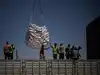
Worries about global economic pain deepen as the war in Iran drags on
Global markets are reeling from U.S. and Israeli attacks on Iran. Energy infrastructure damage is causing long-term economic pain. Oil and gas prices have surged, impacting developing nations severely. Fertilizer shortages threaten food supplies. Even the U.S. economy faces challenges. Recovery from this crisis will be slow and prolonged.

India may face credit stress if Gulf conflict drags on: Moody's
A Moody's report warns that India and other Asia-Pacific economies face rising credit stress due to the ongoing Gulf conflict. Higher energy prices and supply disruptions, particularly for fuel, food, and industrial inputs, will impact import-dependent nations. Producers heavily reliant on Middle Eastern oil and naphtha are most exposed.

Maldives’ tourism-driven economy stares at crisis amid West Asia war
The Maldives economy faces a crisis due to West Asia disruptions. Tourist arrivals are down, impacting revenue. Significant debt repayments are due in April. International aid is unlikely. India's financial support is crucial for the Maldives to manage its economic challenges. Rating agencies flag high default risks for the nation.

Private credit fund bonds were flagging risks before recent redemptions, hedge fund says
Bonds from semi-liquid private credit funds have seen a significant value drop, reaching a one-year low. This indicates investor anticipation of sector stress, even before recent redemption surges. Major U.S. banks are tightening lending, and funds are capping withdrawals amid concerns over valuations and economic health.

Is a US recession coming? Odds jump as hidden cracks hit the economy
US recession 2026 prediction explained: US recession fears are escalating as major forecasts predict a significant increase in odds, driven by global tensions and economic pressures. Rising oil prices due to the Iran war and signs of weakness in the labor market and consumer confidence are contributing to growing economic stress.

Indian currency, Indian bonds, Indian equities are all cheap now: Manish Chokhani
Indian markets are showing signs of recovery after a significant selloff. Experts suggest that Indian currency, bonds, and equities are currently undervalued. Hopes for a ceasefire in the Middle East conflict have led to a drop in oil prices. This development is expected to calm market volatility and potentially trigger a buying spree.

High oil and gas prices could outlast Trump's war with Iran
The war with Iran is causing oil and gas prices to surge globally. President Trump believes prices will fall rapidly once the conflict ends. However, economists and industry experts suggest relief will be gradual, taking weeks or months. Damage to infrastructure and shipping lane disruptions will impact recovery.

The triple blow: India’s gathering economic storm
India's economy faces significant pressure from global events. Trade protectionism, tighter global money, and an energy crisis in West Asia are creating challenges. These factors are impacting exports, investment, and job creation. Foreign investors are withdrawing capital, affecting stock markets. Rising oil prices are increasing import costs and inflation.

Trump's Iran war oil shield is cracking
America's oil wealth, once thought to be a shield against energy shocks, is proving fragile. A regional war has disrupted global oil flows, pushing prices up significantly. While the US is a major producer, increased exports to meet global demand are tightening domestic supplies, leading to higher gasoline prices. The war's duration poses political risks for the US.

‘Outlook has grown more daunting’: Moody’s warns on Asia-Pacific growth, sees slowdown to 4% in 2026 amid heightened Middle East risks
Middle East war: Asia-Pacific economies are set for a significant slowdown. Growth is projected to fall in the coming years. This is due to rising commodity prices from the Middle East conflict. U.S. tariff policies also create ongoing uncertainty. These factors are impacting export-dependent nations. The region faces a challenging economic outlook.

Asia’s industrial revolution is switching off gas
Energy-hungry industries in Pakistan and India are rapidly shifting to solar power, reducing reliance on expensive imported liquefied natural gas. This strategic move offers significant cost savings and insulates them from geopolitical disruptions like the Iran conflict. Meanwhile, Bangladesh's slower adoption of renewables leaves it vulnerable to supply shortages and rising energy costs.

War in Iran threatens fresh food-price shock across developing world
A conflict in Iran is disrupting vital fertiliser supplies and driving up energy costs. This is poised to cause a significant increase in food prices for developing countries. Many nations were just recovering from previous global crises. The situation threatens to undo progress and leave families struggling to afford food.

Rs 1 lakh crore wiped off! Bajaj Finance shares tumble 18% in March so far amid raging Iran-US war
Bajaj Finance shares have plunged over 20% in a month, eroding more than Rs 1 lakh crore in market value amid escalating Iran-US tensions. Rising oil prices, inflation concerns and macroeconomic risks flagged by Moody’s have weighed on sentiment, dragging financial stocks lower and keeping investors cautious amid ongoing geopolitical uncertainty.

US Stocks: Debt investors offloading exposure to software stocks is latest sign of pain
Investors are offloading software loans in debt vehicles at a discount, in the latest sign of pain in the software industry, which is being upended by AI.

Jet fuel shock: Moody's tells how a Middle East conflict is rewriting the economics of global aviation
Global airlines face profit pressure as Middle East conflict drives up fuel costs. This impacts operating expenses and travel networks. Airlines are adapting through strategies like raising fares and improving efficiency. The industry's recovery remains fragile, with future performance depending on conflict duration and energy prices.

HPCL, BPCL, IOC shares fall 2% as oil holds above $100; what lies ahead?
Indian oil marketing companies' shares dropped over 2% as oil prices surged past $100 per barrel amid the ongoing Iran-Israel-US conflict. The Strait of Hormuz remains effectively closed, leading to expectations of prolonged disruptions and potential price hikes to $150 per barrel.

HPCL, BPCL, IOC shares in focus as oil crosses $100 again: Iran’s new supreme leader warns Strait of Hormuz to remain shut
Shares of HPCL, BPCL and IOC are likely to remain in focus as crude oil prices climbed above $100 per barrel again amid escalating Iran Israel US tensions. Iran’s leadership warned the Strait of Hormuz could remain closed, raising concerns about supply disruption and potential margin pressure for Indian oil marketing companies.
Load More

