
MIDDLE EAST CONFLICTS

India's March crude imports slide on Iran war, Russian volumes hit record high, data shows
India's crude oil imports saw a significant drop in March. Shipments from the Middle East were severely impacted by conflict, leading to a halt in transit through the Strait of Hormuz. To compensate, India increased its reliance on Russian oil. This shift altered the country's top oil suppliers, with Russia remaining dominant and Saudi Arabia rising to second place.
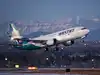
WestJet slashes flight capacity due to soaring jet fuel prices as US-Iran war keeps Middle East on the edge
A major Canadian airline, WestJet, is reducing its flight capacity. This decision stems from a significant surge in jet fuel prices. The conflict between Iran and the United States has disrupted global oil transit routes. This has led to a sharp increase in fuel costs. Air Canada has also announced route suspensions due to similar reasons.

India faces inflation spillover risks from Middle East conflict: RBI
The Reserve Bank of India has issued a cautionary statement regarding escalating inflation rates. Tensions in the Middle East are causing significant disruptions in global supply chains and energy sectors, potentially embedding price volatility within the economy. Instead of slashing demand, the bank aims to guide expectations judiciously.

India fertiliser output drops a quarter on Mideast war
India's fertiliser production plunged nearly a quarter in March, official data showed, after natural gas imports used in its manufacture were hit by the Middle East conflict. Natural gas is used to power the production of urea, a key part of the lifeline fertilisers used by India's vast agriculture sector, making it deeply sensitive to global energy price swings.
Oil tanker exits Hormuz, heading to South Korea's HD Hyundai Oilbank, data shows
The Malta-flagged oil tanker Odessa, capable of carrying 1 million barrels, passed through the Strait of Hormuz on April 13. After its AIS tracker was switched off, the Suezmax vessel reappeared near the UAE's Fujairah port and is now heading to South Korean refiner HD Hyundai Oilbank. The refiner confirmed the tanker's destination but declined to comment on its cargo.

Global Markets | Australian shares end largely unchanged as investors remain wary of Mideast risks
Australian shares saw a modest rise on Monday. Investors remained cautious, awaiting developments in the Middle East conflict. Hopes for a quick resolution faded after Iran rejected talks and blocked the Strait of Hormuz. The U.S. also seized an Iranian cargo ship. This uncertainty kept the market subdued, with gold miners and consumer firms providing some support.
- Go To Page 1

Is Cuba the next Donald Trump misadventure?
Whispers suggest President Trump is considering a military intervention in Cuba, seeing an opportunity for an "easy win" amidst the island's economic collapse and political instability. Despite the potential for popular welcome, the administration's lack of moral authority and the risk of renewed exploitation pose significant dangers.

Charting the Global Economy: IMF trims world growth projections
The International Monetary Fund has lowered its global growth forecast for 2026. This adjustment comes as the war in the Middle East has caused a significant oil price shock. The IMF also anticipates higher inflation due to rising energy and food costs.

War revives stagflation dangers for global economy
Global economic outlook faces uncertainty as seven weeks of Middle East conflict impact growth and inflation. Business surveys from Australia to the US will reveal the extent of deterioration, with stagflation risks looming. Policymakers grapple with responses amid persistent global uncertainty, while inflation data and interest rate decisions from various nations are closely watched.

'Want to see Strait of Hormuz opened; no privatisation, no tolls': Australian PM Anthony Albanese
In a post on X, following his participation in a virtual Leaders' Summit on the Strait of Hormuz co-hosted by French President Emmanuel Macron and UK Prime Minister Keir Starmer, Albanese said 49 countries had come together with a "consistent approach" focused on ensuring freedom of navigation.

A $176 billion reality check for Europe’s luxury brands as Middle East tensions hit shoppers
A distant war is impacting global luxury sales. Europe's top luxury firms have lost billions in market value. The Middle East, a key growth market, is seeing reduced tourist spending due to travel disruptions and uncertainty. This slowdown affects major brands like Hermès, Gucci, and LVMH. Recovery for the luxury sector faces delays as geopolitical risks persist.

London insurers launch $1 bn war cover for Hormuz shipping
London shipping insurers are providing $1 billion in additional war coverage for vessels navigating the Strait of Hormuz. This move by a marine war consortium led by Beazley aims to support the maritime sector amidst the ongoing Middle East conflict.

Trump and a camel's dream: Where exactly are US-Iran talks headed?
US President Trump claims a deal with Iran is imminent, with Tehran agreeing to surrender enriched uranium. However, Iran has sarcastically dismissed these assertions. Despite diverging narratives, Pakistan facilitates ongoing talks for a second negotiation round, aiming to de-escalate regional tensions and potentially secure an interim understanding.

Sri Lanka among worst impacted countries in Asia-Pacific due to West Asia conflict: UN report
In light of the West Asia crisis, a recent UN report underscores the profound economic challenges facing Sri Lanka. The country is grappling with dwindling export connections to the Gulf, while migrant workers are leaving for the Middle East in droves. Tourist footfall has experienced a significant decline, and the ramifications are dire, particularly for the tea export sector.

Gujarat Gas rises 7% after Nomura upgrade. Is the Iran war a buying opportunity?
Gujarat Gas shares saw a significant jump after a major brokerage upgraded the stock. The US-Iran conflict is creating supply chain disruptions, impacting fuel availability. This situation presents opportunities for Gujarat Gas, especially in the Morbi region. The company is poised for potential volume growth and improved margins. Investors are watching closely as the market reacts to these developments.
EXIM Bank says repayments unaffected by West Asia conflict
EXIM Bank of India reports no impact on client repayments from the Middle East conflict. Indian companies in the region, primarily in construction, may see business affected. While current repayments are strong, prolonged conflict could pose challenges. Project awards and execution timelines might be impacted. However, reconstruction efforts could bring future opportunities. Rupee depreciation benefits EXIM Bank's balance sheet.

Middle East war damage to energy assets may cost up to $58 billion, research firm Rystad says
This estimate has doubled in three weeks, highlighting widespread damage before an April 8 ceasefire. Repair work will redirect existing capacity, causing project delays and global inflation beyond the region.

Global Markets: Asian stocks rise, US hits record on Iran talks
The MSCI Asia Pacific Index opened 0.4% higher on Thursday as traders bet a de-escalation of the Middle East conflict will ease oil prices and lift economic growth. That was after the S&P 500 and Nasdaq 100 indexes both closed at record highs, with Bank of America Corp. and Morgan Stanley leading financials higher after stronger-than-expected revenue.

Geopolitical tensions cripple India-Middle East trade in March
India's trade with the Middle East saw a significant drop in March. Exports and imports fell by over 50 percent. This decline resulted from disruptions caused by the US-Israel attack on Iran. The Strait of Hormuz, a vital shipping route, faced temporary closure. This impacted shipments of gems, jewellery, engineering goods, and rice.
IMF cuts global growth outlook for 2026, warns of potential recession if Iran war worsens
The International Monetary Fund has cut its global growth outlook, warning the economy could near recession if the Middle East conflict keeps oil above $100. It now sees 3.1% growth in 2026, but this could drop to 2.5% or even 2.0% in a severe scenario, alongside rising inflation, with emerging markets hit hardest while India remains a relative bright spot.

IMF cuts China 2026 economic growth forecast to 4.4%
The IMF on Tuesday lowered its forecast for Chinese economic growth this year to 4.4 percent, despite reduced US tariffs and stimulus measures aimed at mitigating the impact of the Middle East conflict. The Washington-based organisation said "lower US effective tariff rates on Chinese goods, and stimulus measures offset the negative impact of the shock induced by the Middle East conflict" on the world's second-largest economy.
Global finance ministers warn of prolonged market impact from Middle East conflict
Global finance ministers warn the Middle East conflict will continue to impact growth and inflation. Even a lasting peace will not immediately erase these effects. Renewed fighting or disruptions in the Strait of Hormuz pose serious risks. Ministers pledge fiscally responsible domestic responses and urge all nations to avoid protectionist trade barriers.

Japan tourism hits record despite Middle East conflict
Foreign tourists coming to Japan hit a new record in March despite another huge drop in Chinese visitors as well as a fall in those from the Middle East, official data showed Wednesday. Chinese visitors dropped 56 percent to 291,600 -- Beijing warned people from visiting last year -- while those from the Middle East fell 30 percent to 16,700 because of the Iran war.
Trump caught between the devil and the deep Gulf sea
President Trump faces a critical challenge as the United States appears to be losing its conflict with Iran. This situation threatens his presidency and historical standing. Recent diplomatic efforts have failed, and a naval blockade has been imposed. The consequences could be severe, impacting global economics and Trump's political future. He may seek new negotiations to avert further crisis.

IMF raises India FY27 GDP growth forecast to 6.5% even as the world stumbles through conflict
The International Monetary Fund (IMF) has slightly raised India’s growth forecast for FY27 to 6.5%, up 0.1 percentage point from its January estimate, and expects growth to hold steady at the same level in FY28, even as it flags rising geopolitical risks from the war in the Middle East.

US Stock Market: Wall Street futures climb as traders cling to de-escalation hopes, await earnings
U.S. stock index futures rose on Tuesday as traders held onto hopes of a de-escalation in the Middle East conflict, while awaiting March producer price data and a fresh round of corporate earnings.

Global Markets | Australia Inc starts to feel Iran war fallout, raising stagflation risk
Australia's economy faces a stagflationary shock as the Middle East conflict drives up fuel prices. Top companies like Qantas and Westpac are issuing profit warnings, citing soaring costs and customer impacts. Business and consumer sentiment have plummeted, raising concerns about inflation and slowing growth, a scenario dubbed 'the central bank's nightmare'.

Global Markets | European shares slip as Middle East talks collapse, naval blockade looms
European shares dropped on Monday as expectations of a swift resolution to the Middle East conflict faded following the breakdown of U.S.-Iran negotiations and Washington's decision to impose a blockade around the Strait of Hormuz.
Iran war diverts US military and attention from Asia ahead of Trump's summit with China's leader
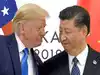
Fifteen years after a pivot to Asia was declared, the U.S. remains entangled in Middle East conflicts, diverting military assets and attention from China's growing influence. This distraction raises concerns about regional stability and the ability to counter Beijing's ambitions, particularly regarding Taiwan. The ongoing demands of Middle East engagements are impacting U.S.
Load More

