
IRAN NAVAL BLOCKADE
Iranian forces launch drones toward US warships after attack on commercial ship in Sea of Oman: Iran media
Iranian forces launched drones at US warships after an attack on an Iranian commercial vessel in the Sea of Oman. The IRGC claimed US forces retreated after firing at the vessel, which Iran accused the US of seizing in violation of a ceasefire. Tensions escalate in the Strait of Hormuz amid accusations of maritime piracy and blockade violations.
Iran not planning to attend talks with US in Pakistan
Iran is not currently planning to attend talks with the United States, state media said, after President Donald Trump ordered US negotiators to travel to Pakistan on Monday, just days before a ceasefire in the Middle East expires. Iran and the United States, along with Israel, are just three days away from the end of the two-week ceasefire that halted the Middle East war, ignited by surprise US-Israeli strikes on Iran on February 28.

Tehran has not decided whether to join new talks with US: Iran media
Iran has not yet decided if it will join new talks with the United States. Local media reports suggest the atmosphere is not very positive for negotiations. Iran's state news agency points to US demands and contradictions. A US blockade on Iranian ports is cited as a precondition by some sources. Prospects for fruitful talks remain unclear.

Trump warns Iran, says Tehran cannot "blackmail" US over Strait of Hormuz
Iran has reimposed a naval blockade on the Strait of Hormuz. This move followed a brief 24-hour opening. US President Donald Trump issued a sharp warning to Tehran. He stated Iran is weakened and cannot blackmail America. Two Indian vessels were forced to flee the Strait after coming under fire. Maritime data and security agencies reported immediate escalations.
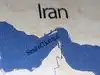
IRGC imposes strict navigation rules in Strait of Hormuz amid US blockade on Iranian ports
Iran's IRGC Navy has imposed new restrictions on maritime traffic through the Strait of Hormuz, permitting only civilian vessels on designated Iranian routes. Military ships are explicitly barred from transiting the vital waterway. These directives follow Iran's announcement of opening the strait and come amid US President Trump's insistence on maintaining a naval blockade until a full agreement is reached.
Iran signals Strait of Hormuz may close again as US maintains naval blockade despite ‘full passage’ claims
Tensions rise over the Strait of Hormuz. Iran's top negotiator warns the vital oil route may close again if a US naval blockade continues. This follows conflicting statements about its status. Earlier, Iran declared the strait open for commercial shipping. The US maintains its blockade remains in full force until a transaction with Iran is complete.
- Go To Page 1
21 ships turned back to Iran since US blockade began, says CENTCOM
The United States Central Command (CENTCOM) on Saturday said that 21 vessels have been compelled to turn back toward Iran since the United States initiated a naval blockade targeting access to Iranian ports amid diplomatic engagements in order to achieve a complete solution to the hostilities in the region.
Trump says Strait of Hormuz will remain under US naval blockade till Iran deal is finalised
US President Donald Trump announced that any deal with Iran will only take effect once fully finalized. He claimed major diplomatic and security progress involving Iran, Israel, and Lebanon. Trump indicated that the US naval blockade on Iranian ports will continue until a transaction is 100% complete and signed. He also mentioned nuclear-related developments and a Lebanon ceasefire.

Iran reopens Strait of Hormuz, but with strings attached
The Strait of Hormuz has reopened for commercial ships following a ceasefire between Israel and Lebanon. This move initially boosted oil markets. However, Iran has cautioned that the waterway could be shut again if the United States continues its naval blockade of Iranian ports. Meanwhile, US President Donald Trump stated a deal with Iran is nearing completion.
Iran says enriched uranium 'isn’t going anywhere'; warns US blockade in Hormuz will face 'appropriate response'
Iran's foreign ministry denied claims that its enriched uranium stockpile would be transferred, stating it would not be moved anywhere. Spokesman Esmaeil Baqaei emphasized that recent talks focused on ending the war, not uranium recovery, and warned of an appropriate response to any naval blockade.

Trump says Iran naval blockade to stay despite Hormuz opening until deal is reached
President Donald Trump has declared the naval blockade on Iran will continue. This measure will stay in effect until a complete agreement is reached with Tehran. Trump's statement follows Iran's assertion that the Strait of Hormuz is open to all ships. The blockade's continuation is tied to the finalization of a transaction with Iran.
Iran war should be ending 'pretty soon', claims Trump
US President Donald Trump said in Las Vegas that the war in Iran is progressing “swimmingly” and could end soon. His remarks signal optimism about the conflict’s trajectory, even as tensions persist in the Middle East and uncertainty remains over the timeline and terms of a possible resolution.
West Asia War: Over 10,000 US troops are enforcing the Iran blockade, but no ships boarded so far, military says
American troops are enforcing a blockade on Iranian ports. No ships have been boarded yet. The US military is warning Iran-linked vessels. They could use force if ships try to evade the Navy. Fourteen ships have turned back. This action restricts Iran's sea access globally. US naval power is being used to compel compliance.

US ready to resume strikes if Iran rejects peace deal, warns Hegseth
U.S. Secretary of War Pete Hegseth warned Iran that the United States is strengthening its military power and will maintain a maritime blockade "for as long as it takes." He stated that U.S. forces are prepared to resume combat operations if Iran does not agree to a peace deal, emphasizing that the U.S.

Trump's top aide says US blockade 'squeezing economic life' out of Iran, reiterates anti-nuclear stance
White House Deputy Chief of Staff for Policy and Homeland Security Advisor Stephen Miller said that the United States' naval blockade against Iran in the Persian Gulf is "squeezing the economic life" out of the Islamic Republic, while reiterating Washington's firm opposition to Tehran acquiring nuclear weapons as part of the deal to achieve a complete end to the hostilities in West Asia.
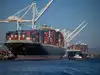
How a US blockade on Iran has sanctioned ships turning around
The US Navy’s blockade of Iran is showing impact, with sanctioned vessels turning back or halting after crossing the Strait of Hormuz. Officials say maritime trade has been effectively stopped, raising pressure on Iran’s economy, even as risks persist with spoofed ship data and volatile regional shipping conditions.
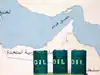
US says nine vessels turned back in 48 hours of Iran port blockade
US forces report stopping nine ships from Iran's ports during a new naval blockade. However, ship tracking data indicates some vessels did pass through the Strait of Hormuz. This blockade follows failed peace talks and Iran's earlier closure of the strait. The US initiated the blockade after an air campaign against Iran.
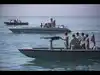
Despite Trump's naval blockade, Iran has not run out of cards
Iran warns it could block vital shipping lanes including the Persian Gulf, Sea of Oman, and Red Sea. This move escalates tensions with the US amid ongoing talks. Pakistan is mediating to prevent further conflict. Iran's threat highlights its asymmetric capabilities to disrupt global trade and raise costs for all involved.
Iran military warns will block Red Sea if US naval blockade continues
Iran's military warned on Wednesday it would block trade through the Red Sea, along with the Gulf and Sea of Oman, if the US naval blockade on Iranian ports continues. "The powerful armed forces of the Islamic republic will not allow any exports or imports to continue in the Persian Gulf, the Sea of Oman, and the Red Sea," said Ali Abdollahi.
Iran war: Six ships turned around as part of Strait of Hormuz blockade, US military says
US-Iran war news: A U.S. naval blockade is in effect around Iran's ports and coastal areas. No ships have successfully passed the blockade. Six merchant vessels have turned back following U.S. military orders. This action follows the breakdown of peace talks between the U.S. and Iran. The blockade impacts vessels going to or from Iran.
Trump’s Hormuz blockade: What’s at stake amid global chaos and ripple risks for India
A US-led naval blockade on Iran has sharply escalated tensions around the Strait of Hormuz, threatening global oil flows, trade routes and geopolitical stability. Oil prices have surged past $100 as shipping risks, insurance costs and supply disruptions ripple across markets. While enforcement remains complex and legally contested, the bigger risk lies in escalation and second-order effects—especially for importers like India, which could face higher crude prices and tighter supply as global demand reshuffles.
US-sanctioned Chinese tanker crosses Strait of Hormuz despite Trump blockade
US-sanctioned tanker, Rich Starry, has passed through the Strait of Hormuz despite Washington’s newly imposed naval blockade on Iran, highlighting challenges in enforcing the restriction, according to a Bloomberg report. The Chinese-owned vessel, previously known as Full Star and blacklisted in 2023 for allegedly helping Tehran evade energy sanctions, navigated the crucial waterway with a Chinese crew on board.
How a US blockade near the Strait of Hormuz could work and the impact ahead for the global economy
A United States blockade of Iranian ports is set to disrupt global oil prices. This move raises concerns about international law and its effectiveness in pressuring Iran. Experts warn of significant challenges in enforcing the blockade. The restrictions could impact the flow of essential goods, leading to higher prices for consumers worldwide.
'Don't meddle in our affairs': China backs Iran, warns US against interference after Hormuz blockade
China has backed Iran and warned against outside interference following the US announcement of a naval blockade on maritime traffic linked to Iranian ports. Beijing confirmed its vessels continue to operate in the Strait of Hormuz, stressing its economic ties and commitment to honouring agreements with Tehran.
US Navy maintains 15-ship presence in Middle East, may participate Iran blockade
The United States Navy currently has at least 15 ships deployed in the Middle East, including the aircraft carrier USS Abraham Lincoln and around 11 destroyers, a force that could be used to enforce a maritime blockade of Iran’s ports, according to a US official, following orders from President Donald Trump.

Trump shakes fist, then claims Iran contact again
Iran war news: US President Donald Trump said Iran has reached out for peace talks even as he escalated threats against its navy, warning of “elimination” if ships approach a US blockade. Washington also warned against trading Iranian oil, while Tehran called the move “piracy” and cautioned of wider Gulf instability.
Trump warns of elimination if Iranian Navy ships hinder Hormuz 'blockade'
Iran news: America has begun blocking ships in the Strait of Hormuz. President Donald Trump warned Iran's Navy ships of immediate elimination if they approach the blockade. He stated that 158 Iranian ships have already been destroyed. This action aims to force Iran to agree to open the waterway and accept a peace deal.
Will US naval blockade on Iranian ports successful in ending already-fragile ceasefire? Global oil, Strait of Hormuz, Donald Trump, Iran tensions explained
Will US naval blockade on Iranian ports successful in ending already-fragile ceasefire? The United States has launched a naval blockade targeting ships linked to Iranian ports after failed talks. Warships are near the Gulf of Oman and the Strait of Hormuz. Iran has issued warnings. Oil prices, shipping, and global trade face pressure. This explainer covers the blockade, ceasefire risks, oil supply impact, diplomacy, and global reactions.

Iran navy chief calls Trump threat to block Hormuz strait 'ridiculous'
Iran's navy chief Shahram Irani has called US President Donald Trump's threat to blockade the Strait of Hormuz ridiculous. Irani stated that the Iranian naval forces are closely monitoring American military movements in the region. This statement comes after talks between Tehran and Washington in Pakistan did not yield a deal to end the Middle East war.
Load More

