
IRAN HARDLINERS PROTEST
Protest erupts in Iran against Araghchi over prospective US peace deal
Protests have erupted in Iran following discussions of a peace deal with the United States. Demonstrators in Mashhad and Tehran are voicing strong opposition to top diplomat Abbas Araghchi and Parliament Speaker Mohammad Bagher Ghalibaf. Hardline figures argue the proposed agreement compromises Iran's interests and its leverage over the Strait of Hormuz.
Iran warns Mideast truce 'practically meaningless' after US strikes
Iran declared the Middle East war ceasefire practically meaningless following fresh US strikes. Tehran responded with attacks across the region. Mediators are pursuing backchannel talks despite the escalation. The United States stated it will negotiate with bombs if required. Iran renewed warnings over the Strait of Hormuz, a vital shipping lane.
Trump shifts higher education fight from campus probes to federal rulebook
The Trump administration is changing its approach to higher education. Instead of targeting individual campuses, new federal rules are being proposed. These rules aim to influence thousands of universities nationwide. The administration seeks to reshape policies on diversity, equity, and inclusion. This shift follows legal challenges to earlier actions. The focus is now on systemic change through regulation.
Iran fires missiles, US strikes Iran facility after reports of faltering peace talks
Iran's paramilitary Revolutionary Guard said it had targeted the headquarters of the US Navy's 5th Fleet in Bahrain and another country in its attack, without naming Kuwait. It said it launched its attack in response to the US firing a missile into the engine room of another oil tanker trying to reach Iran despite the US blockade.
Iran stops talking to mediators, Iranian reports say, but Trump says talks continue
Iran has reportedly halted ceasefire extension talks with mediators concerning the war with the US and Israel. President Donald Trump however denies this, stating discussions are ongoing. Tensions are high as Iran-backed Hezbollah clashes with Israel in Lebanon. Meanwhile, Iran faces severe inflation and economic hardship, raising concerns about potential new protests.
Iran's inflation hits highest level since World War II as unrest and sanctions bite
Iran is currently navigating a perilous economic landscape as inflation reaches alarming heights not seen since the aftermath of World War II. The nation's currency, the rial, is taking a substantial hit, affected by nearby conflicts and severe U.S. sanctions. In addition, systemic corruption and poor economic oversight are fueling the turmoil.
- Go To Page 1

Iran partially restores internet access after months-long shutdown
Iran has partially restored internet connectivity after an extended shutdown. This move comes after nearly three months of limited access. While some home internet services are back, mobile connections remain affected. This development follows earlier blackouts linked to protests and the ongoing conflict. The restoration marks a significant shift, though full international access is still being confirmed.
Despite Trump's pressure, Cuba may not turn out like Venezuela
The U.S. is increasing pressure on Cuba, but unlike Venezuela, the island nation lacks a clear opposition leader or succession plan. Cuba's cohesive and ideologically entrenched government, coupled with U.S. legal constraints and its state-run economy, present significant challenges to regime change efforts.
In Iran's capital, weapons demonstrations send a signal at home and abroad as threat of war remains
Iran is displaying its military might and training citizens in weapons handling. This show of force comes as U.S. President Donald Trump threatens renewed conflict. The displays aim to deter external threats and rally domestic support. Iranians are facing economic hardship and uncertainty. The government is encouraging citizens to volunteer for defense, projecting a readiness to resist any aggression.
The risk of the Iran war restarting is irrationally high
The US and Iran are locked in a dangerous standoff, fueled by mutual miscalculations and overconfidence. Ancient Greek concepts of error and pride offer a framework for understanding the irrational risk of renewed war, as both sides overestimate their strengths and underestimate their weaknesses.
Iran's seizure of two cargo ships in Strait of Hormuz does not violate ceasefire? US and Iran give opposite claims on truce and blockade
Iran's seizure of two cargo ships in Strait of Hormuz does not violate ceasefire? The United States says the seizures do not break the ceasefire because the ships were not American or Israeli. Iran says the US naval blockade violates the ceasefire and keeps the strait closed. Two container ships were seized and several vessels reported attacks. Talks may resume soon. Tension remains high across the Gulf, Lebanon, and global shipping routes.

Iran's leadership survived US-Israeli bombardment. But talks to end the war present a new challenge
Iran's leadership navigates a new challenge after U.S.-Israeli strikes. A council now leads, with Mohammad Bagher Qalibaf as chief negotiator. Talks with the U.S. over nuclear concessions will test internal unity. Disagreements over concessions could expose divisions. The leadership prioritizes survival amidst economic pressure. Qalibaf appears positioned to bridge factional divides.
‘Sounds good’: How Donald Trump walked into the Tehran trap
President Trump, swayed by Israeli Prime Minister Netanyahu's pitch, initiated a war with Iran, believing regime change was achievable. Despite US intelligence deeming popular uprising and regime collapse "farcical," Trump focused on military strikes. Warnings about depleted weaponry and Hormuz Strait vulnerability were sidelined, leading to a conflict that strategically reinforced Iran, not diminished it.
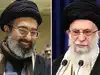
Is Iran Supreme Leader Mojtaba Khamenei really in charge? Donald Trump eyes potential U.S.-backed leader in Tehran, all about him
Ayatollah Ali Khamenei's son Mojtaba Khamenei has inherited the role and its extensive formal powers, but he lacks the automatic authority enjoyed by his father.
Will Larijani killing weaken chance of US exit strategy for Iran war?
The killing of Ali Larijani by Israel removes a key pragmatic figure from Iran’s leadership, increasing the influence of hardliners and reducing chances of a diplomatic exit from the conflict. Larijani had played a central role in national security and nuclear negotiations, maintaining ties across factions and with global leaders.
Death of one Khamenei is not the end of Khamenei supremacy
Mojtaba Khamenei has been named Iran’s new supreme leader, succeeding his father Ayatollah Ali Khamenei, who was killed in US-Israel strikes nine days ago. The appointment was confirmed by the Assembly of Experts and signals continuity of hardline policies as Iran faces an ongoing military conflict and domestic unrest.
Who is Mojtaba Khamenei, Iran's new supreme leader?
Mojtaba Khamenei has been chosen by Iran's Assembly of Experts to succeed his late father as supreme leader. This mid-ranking cleric, who has built close ties with the Revolutionary Guards, has never held a formal government role but wields significant influence behind the scenes. His selection signals hardliners remain in firm control of Iran's leadership.
Protests persist at Iranian colleges and raise tensions as US military threat looms
Student protests continue on Iranian university campuses seven weeks after a government crackdown. Demonstrations have occurred at multiple universities, with students expressing anger and confusion. The government has warned students against crossing a "red line" and threatened punishment. Many universities have moved classes online to prevent gatherings. Fears of further repression are rising amid these ongoing campus movements.

No sign of new protests in Iran as a hard-line cleric calls for executions and threatens Trump
Iran faces uneasy calm after deadly protests, with a hard-line cleric demanding death for detainees and threatening President Trump. Trump, however, expressed gratitude for canceled executions, signaling a potential de-escalation. Thousands have reportedly died, with a week-long internet blackout continuing as outward normality returns to Tehran.
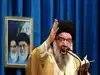
Prayer leader in Iran, the faithful call for executions over protests, a red line for Trump
A senior Iranian cleric has called for the execution of detained protesters. He also issued direct threats against US President Donald Trump. The cleric detailed damage to religious sites and public services during recent demonstrations. These protests began over economic issues and evolved to challenge the government. Iran intensified its crackdown following the unrest.
Iran warns it will target US troops and Israel if America strikes over protests
Protests challenging Iran's theocracy are ongoing. Demonstrations have entered their third week with significant casualties and detentions reported. Iran's parliament speaker has issued threats against the U.S. and Israel. The U.S. President has offered support to the protesters. Information flow from Iran is restricted, raising concerns about a potential crackdown.
Iran warns US troops and Israel will be targets if America strikes over protests as death toll rises
Nationwide protests challenging Iran's theocracy have entered their third week, with activists reporting at least 116 deaths and 2,600 detentions amid a widespread internet blackout. Parliament speaker Qalibaf warned the U.S. military and Israel would be legitimate targets if America strikes Iran, as President Trump offered support for the demonstrators.
Iran's currency collapse: A multi-crisis grips Islamic republic
Iran is facing its most serious unrest since 2022, with protests triggered by a sharp currency collapse quickly turning into open political dissent. As the rial hit record lows and prices of basic goods surged, demonstrations that began with shopkeepers spread across major cities and evolved into calls against Iran’s clerical leadership, including Supreme Leader Ayatollah Ali Khamenei.

Under attack from Israel, Iran's supreme leader Ayatollah Ali Khamenei faces a stark choice
Ayatollah Ali Khamenei, Iran's supreme leader, faces an unprecedented challenge as Israel intensifies its military actions, targeting Iran's military leadership and nuclear program. Khamenei must decide between escalating retaliation, risking further Israeli attacks, or pursuing a diplomatic solution that could compromise Iran's nuclear ambitions.
Reformist Pezeshkian wins Iran's presidential runoff election, besting hard-liner Jalili
Pezeshkian promised no radical changes to Iran's Shiite theocracy in his campaign and long has held Supreme Leader Ayatollah Ali Khamenei as the final arbiter of all matters of state in the country.
Iran holds runoff presidential vote pitting hard-line former negotiator against reformist lawmaker
Voters face a choice between the hard-line former nuclear negotiator Saeed Jalili and Masoud Pezeshkian, a heart surgeon and longtime parliament member who has allied himself with moderates and reformists within Iran's Shiite theocracy.
Iran seesawing vote results put race between reformist Masoud Pezeshkian and hard-liner Saeed Jalili
Early results from Iran's presidential election show a close contest between reformist Masoud Pezeshkian and hard-liner Saeed Jalili, with Pezeshkian leading with 5.3 million votes to Jalili's 4.8 million. Another candidate, Mohammad Bagher Qalibaf, garnered 1.6 million votes. Turnout figures were not yet disclosed. If no candidate secures over 50% of the vote, a runoff between the top two contenders will be held. This election follows the recent death of President Ebrahim Raisi, complicating Iran's political landscape amid regional tensions and internal challenges.
In Iran, snap checkpoints and university purges mark the first anniversary of Mahsa Amini protests
The Iranian government is intensifying its crackdown on dissent ahead of the anniversary of nationwide protests over the country's mandatory headscarf law. Despite increasing pressure from authorities, some women are choosing to go without the hijab. The protests that erupted after the death of Mahsa Amini, allegedly over the hijab, posed one of the largest challenges to Iran's theocracy since the Islamic Revolution in 1979.
Iran media blames humiliating World Cup loss on protests
"Iran - 2; England, Israel, Saudi and traitors - 6," read the headline in hard-line daily Kayhan. The newspaper, whose editor-in-chief is appointed by Iran's Supreme Leader Ayatollah Ali Khamenei, said Iran's rout came after "weeks of unfair and unprecedented psychological warfare against the team ... from domestic and foreign-based traitors."
Load More

