
HORMUZ CRISIS OIL IMPACT
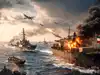
US–Israel–Iran War Day 52: Strait of Hormuz explodes into chaos as US seizes Iranian cargo ship; Tehran cries 'piracy', Pakistan’s peace push hangs by a thread
Iran War News Day 52: On Day 52 of the US–Israel–Iran war, tensions have intensified after the US seized an Iranian cargo ship, prompting Tehran’s threat of retaliation. The crisis in the Strait of Hormuz continues to disrupt global oil supplies, pushing crude prices higher. With talks stalled and military posturing rising, fears of a wider regional conflict and prolonged energy crisis are growing.
MSME manufacturing sector expands in Jan-March period but growth moderates amid West Asia crisis: PHDCCI survey
India's MSME manufacturing sector continued to grow in early 2026. However, expansion slowed due to global issues, especially the West Asia crisis. This crisis caused longer shipping times and higher costs. Business activity saw new orders and production increase, but hiring remained steady. The outlook for the next quarter is positive but cautious. Policy support is vital for sustained growth.
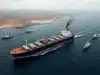
Hormuz traffic at standstill as US vessel seizure widens risk
Commercial traffic in the Strait of Hormuz has halted again. This follows a brief reopening over the weekend which ended with the US seizing an Iranian ship. This action has raised concerns for shipowners. Benchmark oil prices have jumped. A fragile US-Iran ceasefire is set to expire soon.

Is it time to abandon hope the Strait of Hormuz will open soon?
The closure of the Strait of Hormuz has thrown global oil markets into turmoil, deepening an energy crisis with far-reaching effects. Asia, a powerhouse in oil consumption, is experiencing a drastic downturn as crude and refined imports dwindle. The plummeting physical oil prices highlight an immediate supply crunch, compelling refineries to downsize their processing capacities, which threatens significant economic fallout.

US Stock Market: Goldman sticks to oil forecast as demand weakness deepens
Goldman Sachs maintained its 2026 oil price forecasts despite shifting dynamics, as weaker global demand and easing supply disruptions offset key risks. While geopolitical tensions are receding, soft consumption trends and potential supply recovery are increasing downside risks, suggesting a cautious outlook for crude prices even as markets stabilise in the near term.
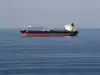
No Strait Answer: Iran shuts off Hormuz on US 'violation'
Iran has intensified its control over the Strait of Hormuz. Mariners are warned of its closure following a US blockade of Iranian ports. This action has impacted Indian vessels, with some forced to turn back after encountering fire from the Iranian Revolutionary Guard Corps.
- Go To Page 1

14 India-bound ships trying to cross Strait of Hormuz stopped by Iran; 1 hit by bullets, 1 crosses
A convoy of 14 India-bound ships carrying crude oil, gas and fertilisers was intercepted in the Strait of Hormuz after the Iranian Revolutionary Guard Corps reportedly fired at two vessels, forcing most to turn back. While 13 ships were stopped or stranded, one Indian-flagged vessel carrying crude oil continued towards India amid rising tensions in the region.

'Want to see Strait of Hormuz opened; no privatisation, no tolls': Australian PM Anthony Albanese
In a post on X, following his participation in a virtual Leaders' Summit on the Strait of Hormuz co-hosted by French President Emmanuel Macron and UK Prime Minister Keir Starmer, Albanese said 49 countries had come together with a "consistent approach" focused on ensuring freedom of navigation.

So what is the real oil price right now?
The Iran crisis highlights the complex reality of oil pricing, differentiating between physical and financial markets. While financial markets anticipate future resolutions, physical markets reflect immediate scarcity and soaring costs due to disrupted shipping and increased freight expenses, leading to significant price disparities globally.

Bitcoin (BTC USD) or gold: Which safe haven asset did traders choose during the US-Iran conflict?
Bitcoin (BTC USD) vs gold as safe haven: Markets experienced a significant jolt following geopolitical tensions, with oil seeing a surge in trading activity instead of Bitcoin. While Bitcoin initially dropped, it later rebounded, outperforming equities over the full conflict period. Gold maintained its status as a traditional safe-haven asset.
Loss of energy output in Middle East will take about two years to recover, IEA says
Energy output in the Middle East will take about two years to recover from conflict losses. Fatih Birol, head of the International Energy Agency, warns of significantly higher energy prices if the Strait of Hormuz remains closed. New oil and gas shipments were not loaded in March, creating a noticeable gap.
UAE envoy to India flags 2,890 strikes on civilian infra since Feb 28, says 4 million Indian expats integral to nation
The UAE ambassador has reported 2,890 missile and drone attacks. He called these unprovoked strikes and urged stronger international action. The UAE faced these attacks despite not being a direct party to the conflict. These incidents threatened regional stability. UAE air defence systems intercepted most incoming threats. International bodies have called for accountability and reparations.

The invisible hand pushing for peace?
Amidst rising hopes for peace in the Persian Gulf, financial markets exhibit a newfound optimism. Falling crude oil prices signal a shift, with speculations of renewed negotiations between the US and Iran gaining traction. Stock markets are bouncing back, reflecting these positive sentiments.

Europe has 'maybe 6 weeks of jet fuel left', energy agency head warns
Europe faces a critical shortage of jet fuel, with only about six weeks of supply remaining, according to the IEA head. The ongoing Iran war and blocked Strait of Hormuz threaten global energy supplies, potentially leading to flight cancellations and severe economic repercussions, especially for developing nations.

West Asia War: PM Modi, French President Macron hold telephonic talks; stress urgent need to restore Hormuz safety
Prime Minister Narendra Modi and French President Emmanuel Macron held discussions on the West Asia situation. Both leaders stressed the critical need for maritime security in the Strait of Hormuz. They expressed shared concern over rising regional tensions. The leaders agreed on the importance of ensuring safe and free navigation through this vital shipping route.

Europe may run out of jet fuel in 6 weeks: Why IEA warns Europe could face flight chaos as Iran war sparks a global energy crisis
Europe jet fuel shortage: Europe faces a potential six-week jet fuel shortage due to ongoing supply blockages from the Iran war, raising concerns about flight cancellations. The International Energy Agency warns of the largest energy crisis ever, with restricted Strait of Hormuz access impacting global economic growth and inflation through rising fuel prices.
China asks Iran to ensure freedom of navigation through Strait of Hormuz
China's Foreign Minister Wang Yi has urged Iran to guarantee safe passage through the Strait of Hormuz. This critical waterway is vital for global oil trade. China, a major importer of Iranian oil, is concerned about energy disruptions. The call comes as Pakistan attempts to mediate new peace talks between the US and Iran.
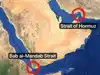
What is Bab el-Mandeb? The critical trade route Iran threatens to shut down
The Iran Red Sea trade threat has intensified sharply, with tanker traffic through the Strait of Hormuz falling below 10% of its normal daily volume. This is a critical global chokepoint. The crisis is escalating fast. Iran has warned it may expand disruption into the Red Sea and nearby routes. The U.S. blockade ordered by Donald Trump has increased tensions further. Global oil supply is at risk. Shipping costs are rising. Markets are reacting. The Iran Red Sea trade threat now signals deeper instability ahead.

Global growth needs unconstricted energy markets: Jaishankar on Hormuz disruption
India is pushing for safe passage for ships. Attacks on merchant vessels are unacceptable. Global growth needs open energy markets. India will work with partners to build strong supply chains. Japan launched a new initiative to help Asian countries facing fuel shortages. This plan offers financial aid to secure energy supplies and diversify sources.
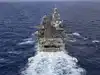
Indian LPG vessel Jag Vikram docks at Kandla after Strait of Hormuz transit, first Indian ship through since US-Iran ceasefire
The Indian LPG tanker Jag Vikram became the first Indian vessel to cross the Strait of Hormuz since the US-Iran ceasefire, highlighting cautious resumption of maritime movement amid ongoing tensions. The government is meanwhile working to bring back other stranded Indian ships as disruptions continue in the region.

IEA: Global oil demand to decline in '26, a first since Covid
While oil futures registered an unprecedented surge in March, they remain considerably below record levels and the price of actual cargoes, trading at just under $100 a barrel in London. This "disconnect" between futures and physical markets is becoming "increasingly acute," according to the report.
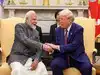
PM Modi speaks to Trump on importance of keeping Strait of Hormuz "open and secure"
Prime Minister Narendra Modi and US President Donald Trump engaged in a nearly 40-minute phone call, their first since the US-Israel war with Iran commenced on February 28. Details remain scarce as the world faces an energy crisis due to the ongoing Middle East conflict. US Ambassador Sergio Gor affirmed that India-US relations are robust.
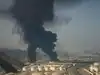
Iran war upends IEA's oil market outlook as global supply and demand to contract in 2026
The International Energy Agency forecasts a global oil supply and demand fall due to the Iran war, citing the largest supply disruption in history. Demand growth is now predicted to drop by 80,000 bpd, with significant cuts in the Middle East and Asia-Pacific. Global output is expected to decrease by 1.5 million bpd this year.

Trump’s Hormuz blockade: What’s at stake amid global chaos and ripple risks for India
A US-led naval blockade on Iran has sharply escalated tensions around the Strait of Hormuz, threatening global oil flows, trade routes and geopolitical stability. Oil prices have surged past $100 as shipping risks, insurance costs and supply disruptions ripple across markets. While enforcement remains complex and legally contested, the bigger risk lies in escalation and second-order effects—especially for importers like India, which could face higher crude prices and tighter supply as global demand reshuffles.

The Hormuz blockade is as much about China as Iran
The US plans to block Iranian oil exports to pressure Tehran and indirectly target China, its main buyer. While Iran has earned higher revenues during the conflict, a blockade could hurt its economy. However, past sanctions failed to change Iran’s stance, and China may rely on reserves, limiting US leverage.

What’s happening with Brent crude and African crude prices, and why physical oil hits $150 as Europe pays record premiums amid Strait of Hormuz disruption and global supply shock fears
Brent crude and WTI oil prices are under sharp focus as physical crude for Europe has surged near $150 a barrel, based on LSEG data. This gap between futures and real oil signals a live supply crunch. The Strait of Hormuz disruption has tightened global flows. Traders are scrambling for immediate cargoes. African crude prices are also hitting fresh highs. This shows replacement demand is rising fast. Fuel shortage risks are building across Europe and Asia. Inflation pressure is returning. Energy markets are turning volatile again.
Will US naval blockade on Iranian ports successful in ending already-fragile ceasefire? Global oil, Strait of Hormuz, Donald Trump, Iran tensions explained
Will US naval blockade on Iranian ports successful in ending already-fragile ceasefire? The United States has launched a naval blockade targeting ships linked to Iranian ports after failed talks. Warships are near the Gulf of Oman and the Strait of Hormuz. Iran has issued warnings. Oil prices, shipping, and global trade face pressure. This explainer covers the blockade, ceasefire risks, oil supply impact, diplomacy, and global reactions.
Why will US Navy blockade 'already choked' Strait of Hormuz? Trump blockade order after failed US Iran news talks
Why will US Navy blockade 'already choked' Strait of Hormuz? The question rose after President Donald Trump announced a naval blockade and ship interdiction plan following failed US Iran news peace talks. The Trump blockade targets vessels that paid tolls to Iran in the Strait of Hormuz. The naval blockade aims to stop payments and increase pressure. The move could impact global shipping, trade routes, oil supply, and regional security.

Why is the Strait of Hormuz blocked despite US- Iran ceasefire? Key points to know
Why is the Strait of Hormuz blocked despite US-Iran ceasefire? The Strait of Hormuz blocked issue persists because the ceasefire is not a full peace agreement. It is temporary, fragile, and filled with conditions. Both sides remain cautious, and trust is extremely limited. This uncertainty is enough to keep the shipping lanes restricted. The Iran is exercising significant influence over maritime movement in the region. Reports suggest that ships must follow strict protocols before entering or crossing the strait. This controlled access is a major factor behind the ongoing Strait of Hormuz blocked situation.
Load More

