
GLOBAL SUPPLY CHAIN DISRUPTION TARIFFS

600 million barrels gone, gas +47%, jet fuel +100%: is the global energy crisis 2026 from US– Iran war about to trigger inflation shock and global recession?
The global energy crisis 2026 is intensifying fast. Over 600 million barrels of oil supply are now lost, triggering a historic oil shock. The crisis is linked to tensions around the Strait of Hormuz, a key global energy route. US gas prices have surged 47% since December. Inflation is now nearing 4% again. Europe is facing a jet fuel spike above 100%, raising flight disruption risks. This global energy crisis 2026 is pushing oil prices higher worldwide. Supply chains are tightening. Energy inflation is spreading across sectors. The risk is clear. A prolonged oil supply shock could drive a global economic slowdown and reshape markets.

Is UK economy on the brink of recession? Growth slows, job market faces biggest hit since pandemic as Iran tensions and energy costs weigh
UK economy recession warning: Britain's economy is nearing a recession. New forecasts predict difficult times for workers and businesses. Rising energy prices and supply chain issues add to the strain. Unemployment is expected to rise significantly. Inflation may climb above the Bank of England's target. The economy shows some early resilience but faces future challenges.

Aluminium prices at record highs: What’s driving the rally and what’s next?
Aluminium prices have surged to multi-year highs, driven by strong demand, supply constraints, and rising energy costs. Geopolitical tensions and declining inventories have added volatility and a risk premium. With China’s demand robust and supply tight, the outlook remains firm, though risks from easing tensions or slowdown persist.

India turns the tables on China: The great supply chain flip begins
India's electronics sector is transforming. For years, the country assembled products using imported parts. Now, Indian companies are exporting electronic components, even to China. This marks a significant shift from just assembly to deeper manufacturing involvement. This change is driven by government policies and global manufacturers.

Sweet trouble: World’s top chocolate maker issues warning as shares sink 17%
Barry Callebaut profit warning shocks markets. Shares crash 17% in hours. Cocoa prices collapse over 40% this year. The world’s largest chocolate maker now expects profits to fall sharply. Falling cocoa prices should help margins. But demand is weak and supply is too high. Industry overcapacity is rising fast. Global trade risks add more pressure. Shipping disruptions near key routes increase costs. The Barry Callebaut profit warning highlights deep market stress. Investors fear prolonged slowdown. The global chocolate market now faces uncertainty and volatility ahead.

The invisible hand pushing for peace?
Amidst rising hopes for peace in the Persian Gulf, financial markets exhibit a newfound optimism. Falling crude oil prices signal a shift, with speculations of renewed negotiations between the US and Iran gaining traction. Stock markets are bouncing back, reflecting these positive sentiments.
- Go To Page 1

West Asia War: PM Modi, French President Macron hold telephonic talks; stress urgent need to restore Hormuz safety
Prime Minister Narendra Modi and French President Emmanuel Macron held discussions on the West Asia situation. Both leaders stressed the critical need for maritime security in the Strait of Hormuz. They expressed shared concern over rising regional tensions. The leaders agreed on the importance of ensuring safe and free navigation through this vital shipping route.

Corrugated box manufacturers warn of severe cost surge, call for price revision and policy support
India's corrugated box makers are in crisis. Kraft paper prices have jumped 15-20 percent. Other materials like gum and ink are up 30-40 percent. Factory running costs are also increasing. The industry faces GST refund delays, locking up vital funds.

Volvo Car India to recalibrate prices by up to Rs 1 lakh from May 1
In a move reflecting global economic trends, Volvo Car will implement a price increase of up to Rs 1 lakh for its vehicles in India effective May 1. The company cites international supply chain disruptions and currency variations as driving factors. If the economic climate doesn't improve, further hikes could follow.

Earnings may drop but opportunity bigger; Vikas Khemani makes bullish call on India markets
Indian markets are rallying after a sell-off. Vikas Khemani of Carnelian Asset Management believes India's investment case remains strong. He sees short-term earnings disruptions as opportunities. Khemani has increased exposure to banking, financial services, and aviation. He also believes the narrative around Indian IT is exaggerated, with AI presenting new opportunities.
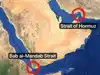
What is Bab el-Mandeb? The critical trade route Iran threatens to shut down
The Iran Red Sea trade threat has intensified sharply, with tanker traffic through the Strait of Hormuz falling below 10% of its normal daily volume. This is a critical global chokepoint. The crisis is escalating fast. Iran has warned it may expand disruption into the Red Sea and nearby routes. The U.S. blockade ordered by Donald Trump has increased tensions further. Global oil supply is at risk. Shipping costs are rising. Markets are reacting. The Iran Red Sea trade threat now signals deeper instability ahead.

Japan will provide support worth about $10 billion to help strengthen energy supply in Asia
External Affairs Minister S. Jaishankar said attacks on merchant vessels are “completely unacceptable,” stressing India’s commitment to secure maritime routes at the AZEC Plus meeting hosted by Japan. Amid tensions over the Strait of Hormuz, Japan announced a $10 billion energy support package to strengthen Asia’s supply chains. Leaders emphasised safe shipping, stable oil access, and coordinated efforts to safeguard regional energy security and economic stability.

Global growth needs unconstricted energy markets: Jaishankar on Hormuz disruption
India is pushing for safe passage for ships. Attacks on merchant vessels are unacceptable. Global growth needs open energy markets. India will work with partners to build strong supply chains. Japan launched a new initiative to help Asian countries facing fuel shortages. This plan offers financial aid to secure energy supplies and diversify sources.
11 nations call for coordinated IMF-World Bank support amid Middle East war risks
The finance ministers of 11 countries including Britain and Japan called Wednesday for "coordinated emergency support" to help countries hit by disruptions from the war in the Middle East. "We call on the IMF and World Bank to provide a coordinated emergency support offer for countries in need, tailored to country circumstances and drawing on the full range and flexibility of their toolkits," the ministers said in a joint statement issued by the UK government.

IMF chief says rapid economic recovery still possible if war ends soon
The global economy could rebound quickly from the Middle East war shock if the conflict ends within weeks, IMF Managing Director Kristalina Georgieva said. However, a prolonged war may worsen the outlook.
Global finance ministers warn of prolonged market impact from Middle East conflict
Global finance ministers warn the Middle East conflict will continue to impact growth and inflation. Even a lasting peace will not immediately erase these effects. Renewed fighting or disruptions in the Strait of Hormuz pose serious risks. Ministers pledge fiscally responsible domestic responses and urge all nations to avoid protectionist trade barriers.

Attacks on merchant shipping completely unacceptable, says Jaishankar amid West Asia situation
India's External Affairs Minister S Jaishankar has strongly backed safe and unimpeded maritime shipping. He stated that attacks on merchant vessels are unacceptable. This comes as India engages diplomatically on the West Asia conflict. The minister also highlighted India's commitment to energy market supply chain resilience. India is closely monitoring developments in the region.

Japan plans $10 billion framework to help Asia secure oil
Japan is launching a significant financial initiative. A 10 billion dollar framework will assist Asian nations in securing vital energy resources. This move aims to counter the impact of the Middle East conflict on global oil supplies. The support will bolster supply chains, particularly for Southeast Asian countries.

How war, trade tensions and disruptions are redesigning supply chains for an uncertain world
Global supply chains are undergoing a major transformation. Businesses are now prioritizing reliability over speed, building in buffers to handle disruptions. This shift involves diversifying suppliers, increasing inventory, and creating regional hubs. Enhanced visibility and sustainability are also becoming core to operations. The modern supply chain professional requires strategic thinking and adaptability.

Ukraine strikes on Russian oil ports put India’s refining lifeline at risk, IEA warns
Ukraine’s drone strikes on key Russian oil ports — Primorsk, Ust-Luga and Novorossiysk — are threatening India’s crude supply chain, with the International Energy Agency warning of potential disruptions to refining operations. With about 80% of India’s Russian imports routed through these hubs, any prolonged outage could tighten feedstock availability, even as reliance on discounted Russian crude has surged and alternative supplies remain limited.

Trump’s Hormuz blockade: What’s at stake amid global chaos and ripple risks for India
A US-led naval blockade on Iran has sharply escalated tensions around the Strait of Hormuz, threatening global oil flows, trade routes and geopolitical stability. Oil prices have surged past $100 as shipping risks, insurance costs and supply disruptions ripple across markets. While enforcement remains complex and legally contested, the bigger risk lies in escalation and second-order effects—especially for importers like India, which could face higher crude prices and tighter supply as global demand reshuffles.

How a US blockade near the Strait of Hormuz could work and the impact ahead for the global economy
A United States blockade of Iranian ports is set to disrupt global oil prices. This move raises concerns about international law and its effectiveness in pressuring Iran. Experts warn of significant challenges in enforcing the blockade. The restrictions could impact the flow of essential goods, leading to higher prices for consumers worldwide.

Crude at $100: Packaging costs surge, supply chains reset
Crude oil prices have surged past the $100 mark per barrel, leading to a dramatic rise in the cost of packaging materials and creating uncertainty in supply chains. Businesses are now prioritizing ensuring availability over minimizing expenses, leading many to stockpile inventory to safeguard against disruptions.

Australia’s big military leadership overhaul, Mark Hammond to lead as Defence Chief amid strategic shift and rising global tensions
Australia's military is set for a major leadership change. Mark Hammond will become the new Chief of Defence Force. Susan Coyle makes history as the first woman to lead the Army. Matthew Buckley takes over as Chief of Navy. These appointments signal a new era for the Australian Defence Force, focusing on future challenges and national security.

Dual risks of monsoon deficit and rising input costs threaten India's rural economy in 2026: Report
India's rural economy faces a dual threat in 2026 from a potential below-normal monsoon and rising input costs due to the US-Iran conflict. This combination could significantly impact agricultural output, farmer incomes, and rural demand, potentially leading to increased food inflation and straining government finances.

Crisil warns of potential hit to India remittances amid West Asia conflict
India's remittance flow faces potential impact from the West Asia conflict. A third of diaspora inflows originate from Gulf Cooperation Council countries. A reduction in diaspora incomes could affect India's current account deficit. This comes at a time when the trade deficit is already under pressure. India is the world's largest beneficiary of remittances.

ADB ups India's FY26 growth projection to 6.9% on strong domestic demand, lower US tariffs
The Asian Development Bank has raised India's economic growth projection to 6.9% for FY26, citing strong domestic demand and reduced US tariffs. Growth is expected to accelerate to 7.3% in FY27, fueled by reforms and trade agreements. Inflation is projected to rise to 4.5% in FY26 before easing to 4.0% in FY27.
Will US inflation spike again as NY Fed supply chain index jumps in March? What will happen to Fed rate cuts amid rising costs?
The NY Fed says supply chain pressures heated up in March, with the Global Supply Chain Pressure Index rising to 0.68 from 0.54. This fresh data signals a clear shift. Global supply chains are facing renewed stress. Shipping delays are increasing again. Transport costs are moving higher. The NY Fed supply chain pressures trend shows early warning signs. Markets are watching closely. Businesses are adjusting fast. Geopolitical tensions are adding risk. Trade routes are getting disrupted. The global supply chain outlook now looks fragile. However, levels remain far below the 2021 peak of 4.49. This means pressure is rising, not exploding.

MSMEs seek force majeure relief amid Gulf war disruptions
Small businesses supplying the government are seeking relief from contract penalties. They want the Centre to invoke force majeure due to global supply chain issues stemming from the Gulf war. This mirrors measures taken during Covid-19. The government is examining these requests. Exporters are also receiving support through schemes and extended credit periods.
Load More

