
GLOBAL SOYBEAN MARKET
West Asia conflict: India's soybean meal exports fall 63%
India’s soybean meal exports dropped nearly 63% to 60,000 tonnes in March, hit by high domestic prices and disruptions from the West Asia conflict, according to Soybean Processors Association of India. Shipments to key markets like Iran and the UAE were affected. However, domestic demand stayed strong, with consumption rising to six lakh tonnes, supported by the animal feed industry.
Trump returns to weary and failing playbook with Hormuz blockade threat
Global oil markets are watching US President Donald Trump's threat to blockade the Strait of Hormuz. This action follows failed talks with Iran and has already caused oil prices to jump. The waterway is vital for global supply. Iran's reaction to this escalation is key. Further attacks on oil facilities could create a full-blown emergency.

West Asia conflict deals a double whammy to India’s farm sector: pre-harvest cost pressures, post-harvest shipping delays
Supply shocks, export disruptions, and labour shortages caused by the Iran war are beginning to strain India’s agriculture despite ample foodgrain stocks.

“No quick end in sight”: Andrew Freris flags prolonged war risks for global market
Geopolitical tensions surrounding Iran have left investors uncertain about the conflict's duration, with experts predicting a prolonged period of instability rather than a swift resolution. While oil supply disruptions are a concern, historical precedent suggests adaptation, and the crisis may accelerate the global shift away from oil dependence.
US, China economic chiefs meet in Paris to clear path to Trump-Xi summit
U.S. and Chinese economic officials are meeting in Paris to address trade issues ahead of President Trump's Beijing visit. Discussions will focus on tariffs, rare earth minerals, tech exports, and agricultural purchases. Analysts suggest limited breakthrough potential due to time constraints and U.S. focus on the Iran conflict.
China is rebuilding its grip on North Korea. Is Kim Jong Un ready to oblige?
China and North Korea are strengthening their bond. New infrastructure projects are underway along their shared border. This collaboration aims to boost trade and influence. North Korea's economy is seeing increased Chinese investment. This development comes as global powers navigate regional stability. The renewed partnership signals a new era for both nations.
- Go To Page 1

Why is oil price down by 7% now, and will Brent crude futures go below $91.71 or rise again soon? Oil price fall, analysts insights and market outlook explained. Here's what should investors do now
Why is oil price down by 7% now, and will Brent crude futures go below $91.71 or rise again soon? Oil markets dropped after U.S. President Donald Trump said the Middle East war could end soon. Brent crude futures fell to $91.71 after a large surge earlier. Supply concerns, sanctions debate, and global market reactions also influenced prices.

Forget oil and gas, a bigger Iran war risk is shaping up
Global attention is on the Strait of Hormuz due to the Iran conflict. Beyond oil, a fertilizer supply shock looms. This could disrupt agriculture, leading to food shortages and price hikes. India faces increased import costs and subsidy burdens. The impact on food security and inflation is a significant concern for the coming months and years.

5 best practices for new-age traders to follow in commodity derivatives
Commodity derivatives offer dynamic trading opportunities on exchanges like MCX. Modern traders must understand price drivers, employ a defined trading system, and prioritize risk management over profit chasing. Leveraging technology and staying updated on contracts and regulations are crucial for navigating volatility and achieving long-term success.

Iran conflict sparks global rush for critical fertilizers
Geopolitical tensions in the Middle East are driving up fertilizer prices globally, impacting farmers like Chet Edinger in South Dakota who paid 22% more for urea.

From fertilisers to rice, pulses, tea and apples: Middle East conflict threatens India-Iran agri trade
India faces a potential squeeze as the war in Iran threatens shipments of rice and other agricultural commodities.

China imports the most energy, but is best placed on Iran
China's large energy reserves offer protection against rising global oil and gas prices. The nation's refiners may profit from increased exports of refined products. China also benefits from discounted Russian and potential Iranian crude. Domestic price controls shield consumers from inflation. Similar advantages exist for coal and LNG imports, ensuring stable domestic supply.

Freight, fuel, and fear: As missiles fly in West Asia, these Indian sectors take the hit
Gulf shipments face delays; insurance gaps and oil risks add to uncertainty. War-risk premiums, shipping reroutes, and oil volatility add pressure on MSMEs.

Wheat at new multi-month highs on Iran uncertainty
Wheat futures surged to multi-month highs on Friday as U.S.-Iran tensions spurred short-covering. Soybeans also climbed, approaching a 20-month peak on expectations of stronger export demand and higher biofuel use. The oilseed complex benefited from geopolitical dynamics and firmer crude prices, while China’s travel advisory for Iran added to market unease.

Government panel said to review future of key GM food crop
A panel of Indian ministers is set to review a genetically modified rapeseed crop. This decision could pave the way for engineered food varieties in India's vast agricultural market. The government aims to boost farm productivity amid growing population and economic strain. India currently imports significant amounts of vegetable oil. This move follows recent trade talks with the US.

Is Climate Change Making Inflation Worse?
Climate change is increasingly impacting everyday expenses, driving up costs for food, energy, and insurance. Extreme weather events disrupt supply chains, strain energy grids, and lead to higher insurance payouts, ultimately affecting consumers' wallets.
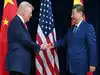
Xi gains leverage before Trump summit after tariff reversal
Chinese President Xi Jinping heads to talks with Donald Trump with increased leverage. The US Supreme Court has restricted Trump's power to quickly impose tariffs. This development strengthens China's negotiating position ahead of Trump's visit. Beijing anticipates pushing for access to semiconductors and reduced US support for Taiwan. Chinese officials remain cautious, assessing potential US responses to the ruling.

SCOTUS ruling: Major issues to watch after the Supreme Court strikes down Trump's tariffs
The Supreme Court's decision to overturn significant Trump tariffs creates a substantial budget hole, potentially costing trillions and impacting deficit reduction goals. Refunds for importers are expected to be complex and could take over a year to process. This ruling also raises concerns about Trump's future negotiation leverage with foreign nations.

US farmers to sow more soybeans in 2026, less corn, USDA says
American farmers are shifting focus in 2026, planting more soybeans and less corn. This change comes amid a global surplus and increasing costs for essential farm supplies. Despite challenges, the US Department of Agriculture projects significant harvests for both crops. This strategic adjustment aims to navigate market pressures and secure better returns for producers across the nation.

Rupee falls 6 paise to 90.62 against US dollar in early trade
The rupee weakened by 6 paise to 90.62 against the US dollar amid geopolitical tensions and importer demand. Fresh concerns arose from a US fact sheet detailing tariff reductions on Indian industrial and agricultural goods, impacting investor sentiment. Higher crude oil prices also add pressure on the Indian currency.

India-US trade deal: Fine print separates fear from facts
India and the US have announced an interim trade framework. Government officials clarify that a projected $500 billion in purchases from the US is an intention, not a binding commitment. India's strategic autonomy in energy sourcing and protection for its agriculture sector remain intact. Trade decisions will be guided by commercial logic.

India's edible oil output set to hit 9.6 mln tonnes in 2025-26; imports likely at about 16.7 mln tonnes: IVPA
India will need to import 16.7 million tonnes of cooking oils in 2025-26. Domestic production is projected at 9.6 million tonnes, covering only 40 percent of demand. Palm oil, soybean oil, and sunflower oil will form the bulk of imports. Global edible oil markets face structural volatility due to trade shifts and biofuel mandates.

Edible oil markets enter ‘structural volatility’ phase, says association chief Sudhakar Desai
Global edible oil markets face structural volatility due to trade shifts and biofuel demands, impacting India's import reliance. Limited supply growth and intense inter-oil competition, especially with sunflower oil commanding a premium, are key concerns. India's import basket is sensitive to price differentials, influencing sourcing decisions amid evolving trade policies.

Rupee rises 21 paise to 90.44 against the US dollar in early trade
In a noteworthy development today, the Indian rupee has shown an upward trend against the US dollar. This increase comes on the heels of a newly forged trade agreement between India and the United States, which will ease import duties on a selection of products. The initiative is geared towards significantly enhancing trade relations.

No trust deficit between India and US: Piyush Goyal
India and the United States have finalized an interim trade agreement. Union Minister Piyush Goyal stated that bilateral ties remain strong. The agreement will further cement long-term strategic goals. India will reduce tariffs on US industrial and agricultural products. The US will impose an 18 percent reciprocal tariff on Indian goods.

India-US trade pact unlocks USD 118 bn textile market for Indian exports, says government
A new trade agreement between India and the United States is set to boost India's textile exports. The deal opens up America's large textile import market, offering a significant advantage to Indian exporters. This agreement is expected to make Indian textiles more competitive globally and contribute substantially to India's export targets.

Strengthening the India-US medicines partnership important: IPA
The Indian Pharmaceutical Alliance welcomed an interim trade agreement between India and the US, emphasizing that medicine security is crucial for national security. The pact aims to boost bilateral trade by reducing import duties on various goods, including generics, and offers Indian MedTech exporters a competitive edge in the US market.

India-US interim trade pact framework sends strong signal of confidence to global investors: Industry
India and the US have reached a framework for an interim trade agreement, set to boost bilateral trade by reducing import duties on various goods. This move is seen by India Inc as a strong signal of confidence to global investors, enhancing competitiveness and supply chain resilience.

Soybeans recover from 10-month low, gains capped by coronavirus worries
Wheat was little changed after Monday's slide to its lowest since October, while corn recovered from a six-month low to trade higher.
Load More

