

 Morning Dispatch Morning Dispatch |
Razorpay eyes IPO; Sarvam's $1.5 billion leap
Want this newsletter delivered to your inbox?
I agree to receive newsletters and marketing communications via e-mail

Thank you for subscribing to Morning Dispatch
We'll soon meet in your inbox.
Happy Monday! Razorpay is planning an IPO at a lower valuation than its $7.5 billion peak. This and more in today's ETtech Morning Dispatch.
Also in the letter:
■ IT execs turn AI founders
■ YC Startup School draws huge crowds
■ Axiro's chip expansion plan
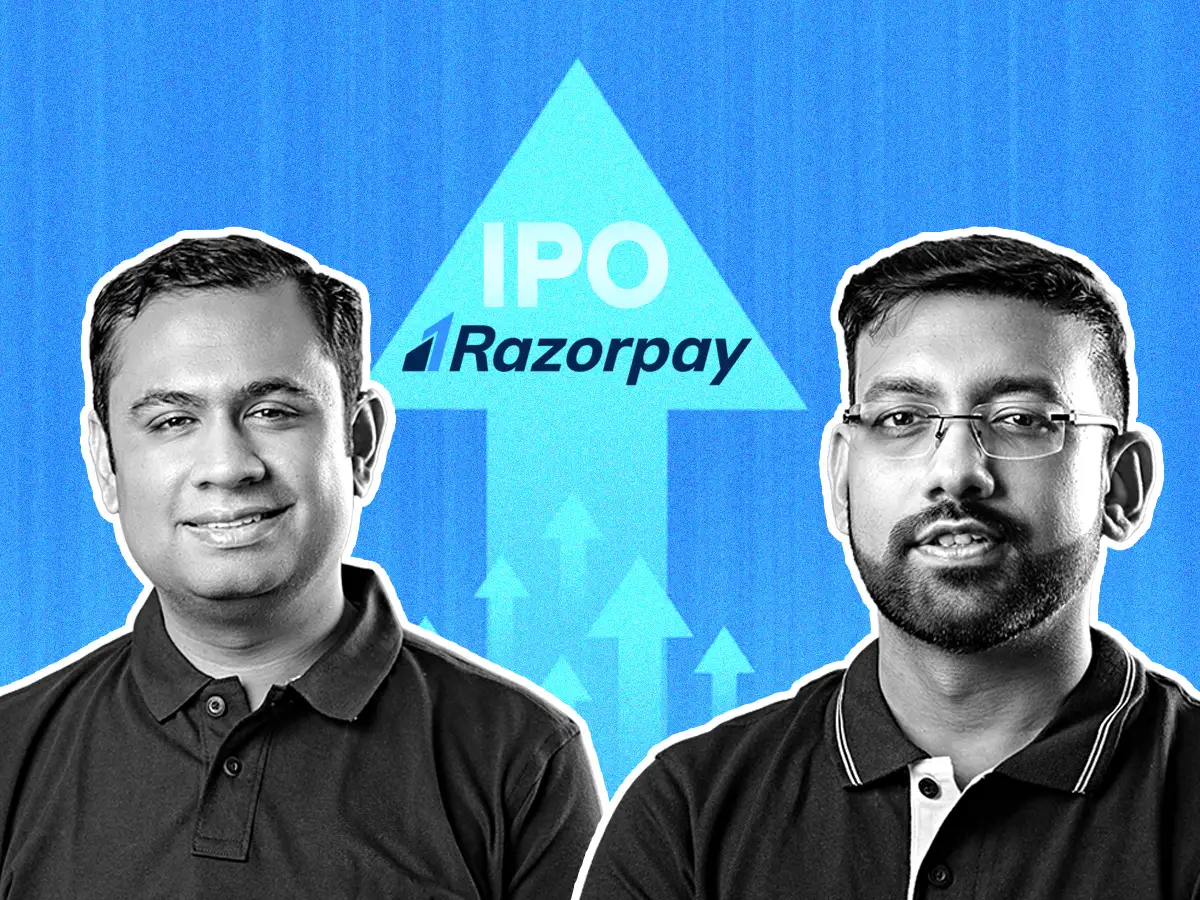 Harshil Mathur and Shashank Kumar, cofounders, Razorpay
Fintech unicorn Razorpay is preparing to file confidentially for an initial public offering (IPO) in the coming weeks, aiming to raise between $600–700 million at a valuation of $5–6 billion. This is a clear reset from its last private peak of $7.5 billion.
Why it matters: The listing will be a crucial test of how public investors now look at loss-making fintech firms. Markets have turned choosier and want cleaner paths to profitability and unit economics.
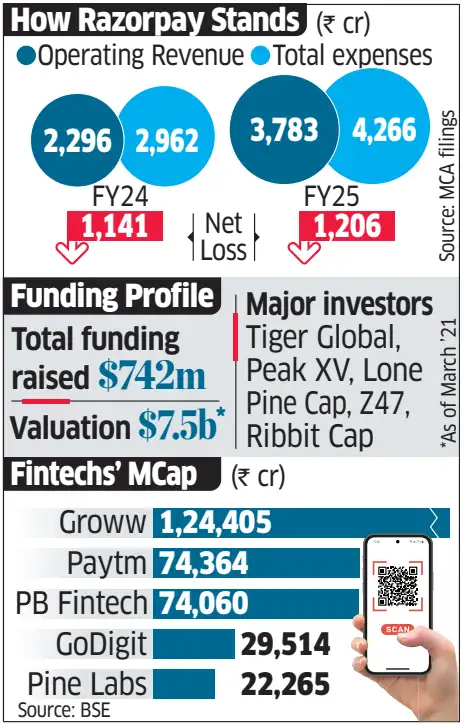
The big picture: Rival PhonePe put its IPO plans on hold last month after public market views came in at less than half its headline private valuation.
Also Read: Fintech Razorpay eyes global brands for high-margin biz in run-up to IPO
By the numbers:
Razorpay completed its reverse flip from the US to India in May 2025. The move cost about $150 million in taxes and cleared a key regulatory hurdle for local listing.
Also Read: Regulations slow growth but reward patient founders: Razorpay's Harshil Mathur at YC Startup School
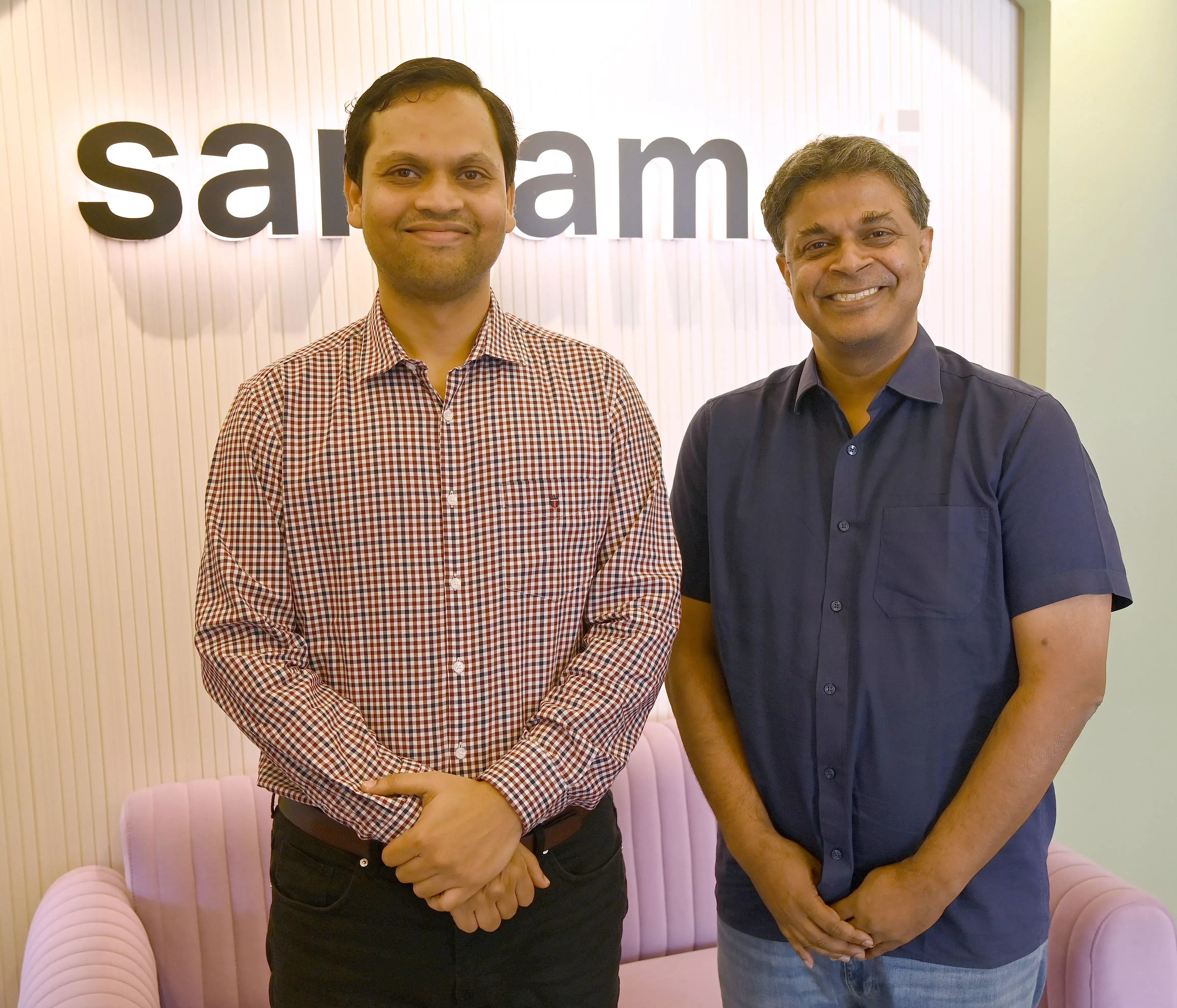 Pratyush Kumar and Vivek Raghavan, cofounders, Sarvam AI
Homegrown AI startup Sarvam is in advanced talks to raise $320-350 million at a $1.5 billion valuation. Glade Brook Capital is set to join the round, alongside a mix of strategic and financial investors.
Who's backing it:
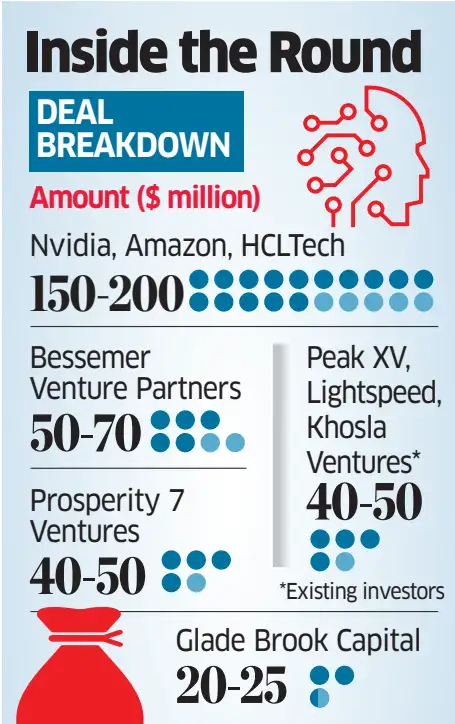
Strategic backing: Nvidia brings GPUs, Amazon brings cloud muscle, and HCLTech brings enterprise reach. Together, they give Sarvam the infrastructure and go-to-market tailwinds it needs, according to people involved in the deal talks.
Also Read: Sarvam AI's new vertical 'Chanakya' to address problems of 'national consequence'
Why it matters: Investors are racing to back “sovereign” AI platforms. Sarvam is building India-focused large language models across local languages and enterprise use cases, and this round reflects how strongly capital now chases that theme.
Also Read: Sarvam open-sources 30B, 105B reasoning models; here's what it means

For senior Indian IT executives, the hottest new employer is increasingly their own AI startup.
What's happening? A growing crop of seasoned IT leaders in India is quitting stable roles to build AI-first ventures. They are leaning on long-standing client relationships and deep enterprise knowledge to deliver cheaper, faster AI-led solutions. Experts say these founders can use agentic AI to solve problems more quickly and precisely than many traditional IT vendors.
For instance:
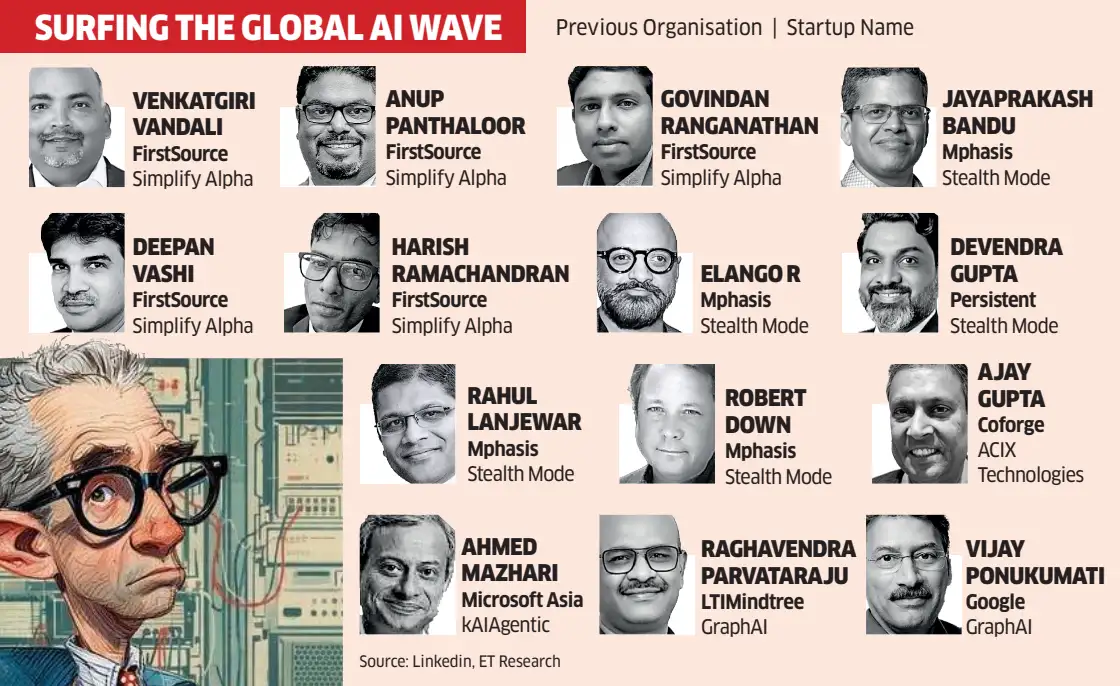
“AI has neutralised the advantage of scale. Operating in silos — whether by capability, geography, or deal size — is a liability now, not a strength,” said Venkatgiri Vandali, former chief sales transformation officer at FirstSource.
What else? IT services companies face a double challenge. They are losing experienced leaders and, at the same time, watching them return as nimble competitors who know exactly where the old models are vulnerable.
These new startups are also attracting strong interest from venture capitalists. Enterprise AI services are a hot area, and investors are keen to back founders with proven client networks.
Also Read: Startup Mafia 3.0: Razorpay, Cred, Meesho help spawn 200+ founders
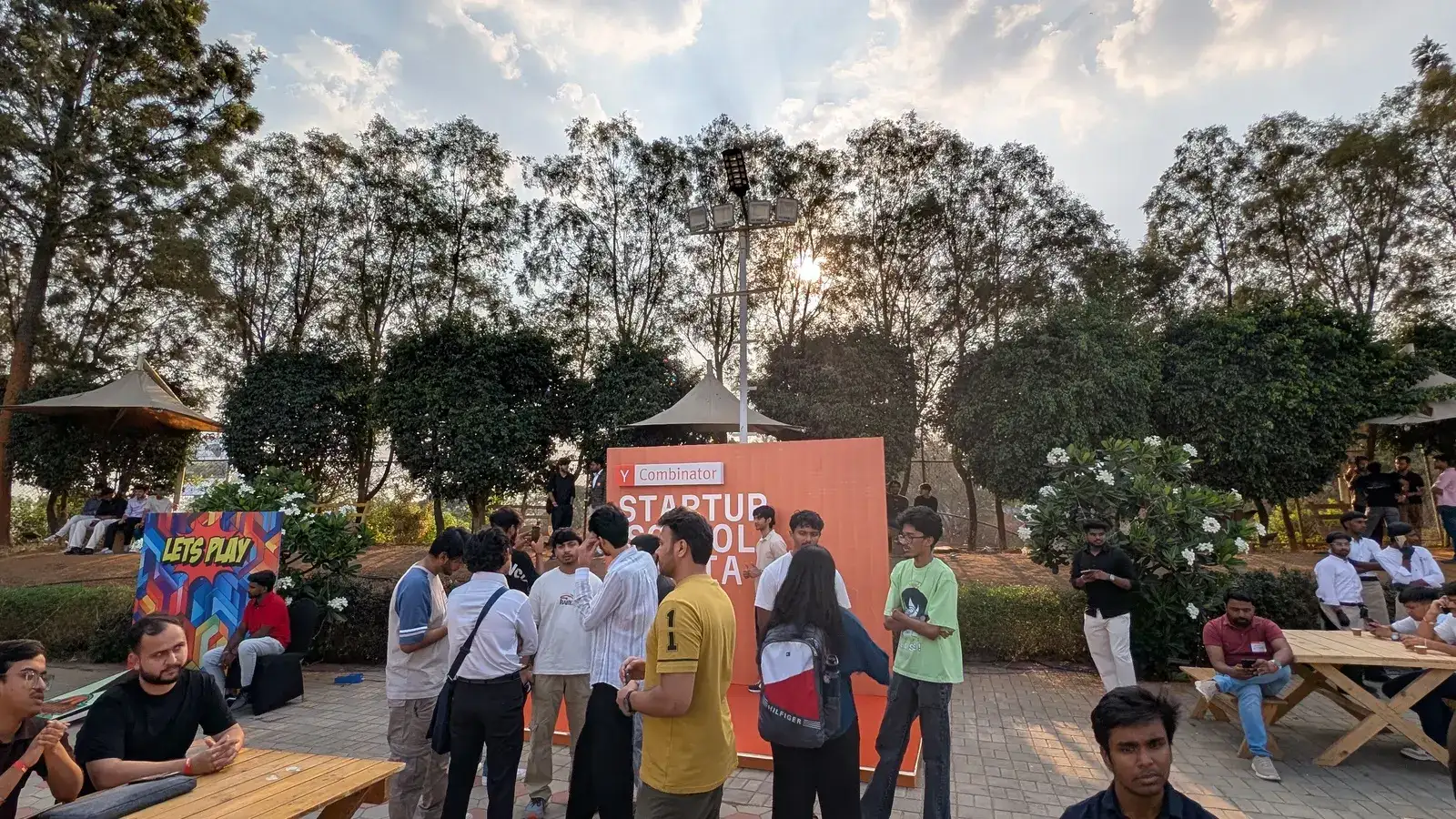
Y Combinator comes to India with Startup School, draws a crowd, faces some teething trouble: Anyone building in India or globally will know the heft of the Silicon Valley accelerator's imprimatur. On a Saturday afternoon, many of the 2,000+ developers and builders who travelled from across the country for YC's first startup school in India had something to take back. Some found potential hires, some were promised summer internships, and some secured new clients.
Axiro to scale semiconductors in phases: Axiro Semiconductor, a wholly-owned subsidiary of CG Power and Industrial Solutions, plans to expand its fabless chip business in phases, focusing first on high-impact areas such as connectivity, satellite communications, and industrial and emerging applications.
Canva is leaning on India and Brazil to drive up AI adoption: The $42 billion Australian company, which has scaled to 265 million monthly users and $4 billion in annualised revenue, is heavily banking on markets like India and Brazil to drive its AI adoption.
■ Where the DOGE operatives are now (Wired)
■ The App Store is booming again, and AI may be why (TechCrunch)
■ Could a digital twin make you into a 'superworker'? (BBC)
Also in the letter:
■ IT execs turn AI founders
■ YC Startup School draws huge crowds
■ Axiro's chip expansion plan
Razorpay set for confidential IPO filing; valuation may fall to around $5 billion
Fintech unicorn Razorpay is preparing to file confidentially for an initial public offering (IPO) in the coming weeks, aiming to raise between $600–700 million at a valuation of $5–6 billion. This is a clear reset from its last private peak of $7.5 billion.
Why it matters: The listing will be a crucial test of how public investors now look at loss-making fintech firms. Markets have turned choosier and want cleaner paths to profitability and unit economics.
The big picture: Rival PhonePe put its IPO plans on hold last month after public market views came in at less than half its headline private valuation.
Also Read: Fintech Razorpay eyes global brands for high-margin biz in run-up to IPO
By the numbers:
- Revenue for FY25: Rs 3,783 crore
- Net loss: Rs 1,209 crore, weighed down by Esop costs and expenses from domicile shift.
- Total payments value processed: $180 billion
Razorpay completed its reverse flip from the US to India in May 2025. The move cost about $150 million in taxes and cleared a key regulatory hurdle for local listing.
Also Read: Regulations slow growth but reward patient founders: Razorpay's Harshil Mathur at YC Startup School
Glade Brook in talks to join Sarvam's funding; AI startup may hit $1.5 billion valuation
Homegrown AI startup Sarvam is in advanced talks to raise $320-350 million at a $1.5 billion valuation. Glade Brook Capital is set to join the round, alongside a mix of strategic and financial investors.
Who's backing it:
- Nvidia, Amazon and HCLTech are expected to anchor between $150-200 million.
- Bessemer, Prosperity 7, and existing backers like Peak XV, Lightspeed, and Khosla Ventures are also on the cap table.
- Glade Brook, also an investor in Perplexity and xAI, may cut a $20-25 million cheque, sources told us.
- In India, the company has previously backed startups such as Pronto, Zomato, Zepto, Pixxel, and Ver Se (Dailyhunt).
Strategic backing: Nvidia brings GPUs, Amazon brings cloud muscle, and HCLTech brings enterprise reach. Together, they give Sarvam the infrastructure and go-to-market tailwinds it needs, according to people involved in the deal talks.
Also Read: Sarvam AI's new vertical 'Chanakya' to address problems of 'national consequence'
Why it matters: Investors are racing to back “sovereign” AI platforms. Sarvam is building India-focused large language models across local languages and enterprise use cases, and this round reflects how strongly capital now chases that theme.
Also Read: Sarvam open-sources 30B, 105B reasoning models; here's what it means
Senior IT executives join AI party as startup founders
For senior Indian IT executives, the hottest new employer is increasingly their own AI startup.
What's happening? A growing crop of seasoned IT leaders in India is quitting stable roles to build AI-first ventures. They are leaning on long-standing client relationships and deep enterprise knowledge to deliver cheaper, faster AI-led solutions. Experts say these founders can use agentic AI to solve problems more quickly and precisely than many traditional IT vendors.
For instance:
- Coforge said its executive vice president, Anup Kumar, has resigned to pursue an “entrepreneurial route.”
- A group of senior leaders from business process outsourcing company FirstSource's healthcare unit left in February to launch Simplify Alpha.
“AI has neutralised the advantage of scale. Operating in silos — whether by capability, geography, or deal size — is a liability now, not a strength,” said Venkatgiri Vandali, former chief sales transformation officer at FirstSource.
What else? IT services companies face a double challenge. They are losing experienced leaders and, at the same time, watching them return as nimble competitors who know exactly where the old models are vulnerable.
These new startups are also attracting strong interest from venture capitalists. Enterprise AI services are a hot area, and investors are keen to back founders with proven client networks.
Also Read: Startup Mafia 3.0: Razorpay, Cred, Meesho help spawn 200+ founders
Other Top Stories By Our Reporters
Y Combinator comes to India with Startup School, draws a crowd, faces some teething trouble: Anyone building in India or globally will know the heft of the Silicon Valley accelerator's imprimatur. On a Saturday afternoon, many of the 2,000+ developers and builders who travelled from across the country for YC's first startup school in India had something to take back. Some found potential hires, some were promised summer internships, and some secured new clients.
Axiro to scale semiconductors in phases: Axiro Semiconductor, a wholly-owned subsidiary of CG Power and Industrial Solutions, plans to expand its fabless chip business in phases, focusing first on high-impact areas such as connectivity, satellite communications, and industrial and emerging applications.
Canva is leaning on India and Brazil to drive up AI adoption: The $42 billion Australian company, which has scaled to 265 million monthly users and $4 billion in annualised revenue, is heavily banking on markets like India and Brazil to drive its AI adoption.
Global Picks We Are Reading
■ Where the DOGE operatives are now (Wired)
■ The App Store is booming again, and AI may be why (TechCrunch)
■ Could a digital twin make you into a 'superworker'? (BBC)
Want this newsletter delivered to your inbox?
I agree to receive newsletters and marketing communications via e-mail
Thank you for subscribing to Morning Dispatch
We'll soon meet in your inbox.

