

Listen to this article in summarized format
×
Subscribe to

Unlock AI Briefing and Premium Content
New Year Offer 24 Hours Left
Subscribe NowAlready a member? Sign In
What's Included
- Exclusive Stories
- Daily ePaper Access
- Smart Market Tools
- Curated Investment Ideas
- Ad-lite Experience
Subscription

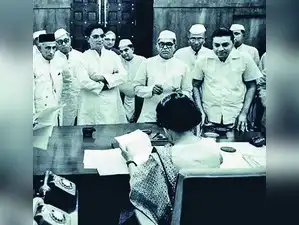
Despite disruptions in Parliament over the Constitution (131st Amendment) Bill 2026, the political class seems aligned on expanding women's representation in politics. Yet, while legislative rhetoric has advanced, party-level practices remain resistant. Women now constitute nearly half the electorate. In several elections, they have actually outpaced male participation in voting. Yet, women account for only about 10% of candidates and about 14% of MPs, revealing a persistent gap in representation. This suggests that the problem lies not only in the constitutional framework - something women's reservation seeks to address - but within the internal workings of political parties.
Parties have yet to reflect this commitment in candidate selection, relying instead on selective inclusion - fielding women sporadically, often in low-stakes contests. Even after unanimously passing Nari Shakti Vandan Adhiniyam in 2023, fewer than 800 of the 8,360 candidates in the 2024 elections were women, with 152 constituencies featuring none at all. This points to entrenched 'legacy' barriers: centralised decision-making, patronage/patriarchal networks, unequal access to resources, and a short-term view of electoral viability among overwhelmingly male party leaderships. In contrast, Panchayati Raj institutions, where quotas have ensured nearly 46% representation, show that enforceable rules - not just intent - drive change.
Bridging this gap requires moving beyond homilies and lip service to structural reform. Mandating candidate quotas, improving access to campaign funding and strengthening support for women within parties are needed. Without changes to these incentives, progress will remain slow, and democratic promise of inclusion will remain incomplete.
Parties have yet to reflect this commitment in candidate selection, relying instead on selective inclusion - fielding women sporadically, often in low-stakes contests. Even after unanimously passing Nari Shakti Vandan Adhiniyam in 2023, fewer than 800 of the 8,360 candidates in the 2024 elections were women, with 152 constituencies featuring none at all. This points to entrenched 'legacy' barriers: centralised decision-making, patronage/patriarchal networks, unequal access to resources, and a short-term view of electoral viability among overwhelmingly male party leaderships. In contrast, Panchayati Raj institutions, where quotas have ensured nearly 46% representation, show that enforceable rules - not just intent - drive change.
Bridging this gap requires moving beyond homilies and lip service to structural reform. Mandating candidate quotas, improving access to campaign funding and strengthening support for women within parties are needed. Without changes to these incentives, progress will remain slow, and democratic promise of inclusion will remain incomplete.
Add  as a Reliable and Trusted News Source
as a Reliable and Trusted News Source Add Now!
(Catch all the Business News, Breaking News, and Latest News Updates on The Economic Times.)
Subscribe to The Economic Times Prime and read the ET ePaper online.
Read More News on
(Catch all the Business News, Breaking News, and Latest News Updates on The Economic Times.)
Subscribe to The Economic Times Prime and read the ET ePaper online.












 ETPrime Membership