


Listen to this article in summarized format
×
Subscribe to

Unlock AI Briefing and Premium Content
New Year Offer 24 Hours Left
Subscribe NowAlready a member? Sign In
What's Included
- Exclusive Stories
- Daily ePaper Access
- Smart Market Tools
- Curated Investment Ideas
- Ad-lite Experience
Subscription

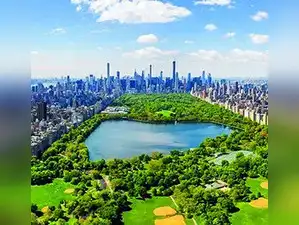
Delhi High Court's sharp remarks on GoI's plan to take over green spaces occupied by Delhi Gymkhana Club and Indian Polo Association have thrown up an important question: what value do open spaces like maidans and large parks hold in a city? The court's warning that 'Delhi will choke' if its 'green lungs' disappear isn't rhetorical. In the world's most polluted capital city, every acre of open space matters as expanses like Lodhi Garden remind us.
Clubs and institutions are exclusive spaces, their facilities and grounds open only to members. Yet, ecological benefits of green cover of many of these places are not confined within their walls. Open spaces provide environmental services that extend well beyond club precincts. But India can't stop at having such enclaves as accidental providers of urban greenery. Every citizen should have access to expansive, free public spaces comparable to London's Hyde Park, New York's Central Park, or even Kolkata's Maidan and Mumbai's Shivaji Park. Even (read: especially) in space-starved cities, public commons should not be luxuries but essential infrastructure. Ecologist Harini Nagendra's research on Bengaluru's lakes, parks and neighbourhood greens tells us that urban commons also strengthen ecological resilience and social cohesion. Her work shows how citizens collectively restoring and managing shared spaces foster trust, belonging and civic participation across classes and communities.
As India urbanises rapidly, we can either continue treating open spaces as vacant land awaiting commercial use, or recognise them as indispensable public goods. The right to clean air, expanses - and grass - can't remain privileges for a few. Open spaces must be embedded in the very design of our cities.
Clubs and institutions are exclusive spaces, their facilities and grounds open only to members. Yet, ecological benefits of green cover of many of these places are not confined within their walls. Open spaces provide environmental services that extend well beyond club precincts. But India can't stop at having such enclaves as accidental providers of urban greenery. Every citizen should have access to expansive, free public spaces comparable to London's Hyde Park, New York's Central Park, or even Kolkata's Maidan and Mumbai's Shivaji Park. Even (read: especially) in space-starved cities, public commons should not be luxuries but essential infrastructure. Ecologist Harini Nagendra's research on Bengaluru's lakes, parks and neighbourhood greens tells us that urban commons also strengthen ecological resilience and social cohesion. Her work shows how citizens collectively restoring and managing shared spaces foster trust, belonging and civic participation across classes and communities.
As India urbanises rapidly, we can either continue treating open spaces as vacant land awaiting commercial use, or recognise them as indispensable public goods. The right to clean air, expanses - and grass - can't remain privileges for a few. Open spaces must be embedded in the very design of our cities.
Add  as a Reliable and Trusted News Source
as a Reliable and Trusted News Source Add Now!
(Catch all the Business News, Breaking News, and Latest News Updates on The Economic Times.)
Subscribe to The Economic Times Prime and read the ET ePaper online.
Read More News on
(Catch all the Business News, Breaking News, and Latest News Updates on The Economic Times.)
Subscribe to The Economic Times Prime and read the ET ePaper online.