


Listen to this article in summarized format
×
Subscribe to

Unlock AI Briefing and Premium Content
New Year Offer 24 Hours Left
Subscribe NowAlready a member? Sign In
What's Included
- Exclusive Stories
- Daily ePaper Access
- Smart Market Tools
- Curated Investment Ideas
- Ad-lite Experience
Subscription

 ANI
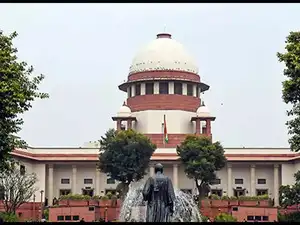
ANINew Delhi: The Supreme Court on Friday observed that while deciding issues of faith, a constitutional authority must rise above personal religious beliefs and be guided by freedom of conscience and the broader constitutional framework.
The observation came from a nine-judge Constitution bench headed by Chief Justice of India Surya Kant during resumed hearing in a reference arising from the Sabarimala temple entry case."You said the freedom of conscience has a very wide application. Are you hinting that as judges, as a constitutional court, religion and conscience cannot be equated for the reason that religion may be very personal to me but then when I have to judge, I have to rise above that religious consciousness to a level where I balance it with the constitutional provision and then see the larger picture" Justice Ahsanuddin Amanullah said.
Also read: Delimitation Bill 2026 shelved after women’s reservation amendment fails in Lok Sabha
"Per se, everything has been focused on that when it is religion, don't touch. Probably as constitutional authority and in the scheme of the Constitution, we are called upon to get into the area of conscience also and that probably may not be restricted by the term religion," he added.
Justice Amanullah made the remarks while responding to senior advocate Rajeev Dhavan's submissions on the importance of freedom of conscience. Dhavan argued that the court, in the present case, would be deciding the rights of all religions. "Your Lordships are not just protecting Hindu practices. The concern is to lay down the law for everybody, every belief and every matter of conscience," Dhavan said.
(You can now subscribe to our Economic Times WhatsApp channel)
The observation came from a nine-judge Constitution bench headed by Chief Justice of India Surya Kant during resumed hearing in a reference arising from the Sabarimala temple entry case."You said the freedom of conscience has a very wide application. Are you hinting that as judges, as a constitutional court, religion and conscience cannot be equated for the reason that religion may be very personal to me but then when I have to judge, I have to rise above that religious consciousness to a level where I balance it with the constitutional provision and then see the larger picture" Justice Ahsanuddin Amanullah said.
Also read: Delimitation Bill 2026 shelved after women’s reservation amendment fails in Lok Sabha
"Per se, everything has been focused on that when it is religion, don't touch. Probably as constitutional authority and in the scheme of the Constitution, we are called upon to get into the area of conscience also and that probably may not be restricted by the term religion," he added.
Justice Amanullah made the remarks while responding to senior advocate Rajeev Dhavan's submissions on the importance of freedom of conscience. Dhavan argued that the court, in the present case, would be deciding the rights of all religions. "Your Lordships are not just protecting Hindu practices. The concern is to lay down the law for everybody, every belief and every matter of conscience," Dhavan said.
Add  as a Reliable and Trusted News Source
as a Reliable and Trusted News Source Add Now!
(You can now subscribe to our Economic Times WhatsApp channel)












 ETPrime Membership