

Listen to this article in summarized format
×
Subscribe to

Unlock AI Briefing and Premium Content
New Year Offer 24 Hours Left
Subscribe NowAlready a member? Sign In
What's Included
- Exclusive Stories
- Daily ePaper Access
- Smart Market Tools
- Curated Investment Ideas
- Ad-lite Experience
Subscription

 Agencies
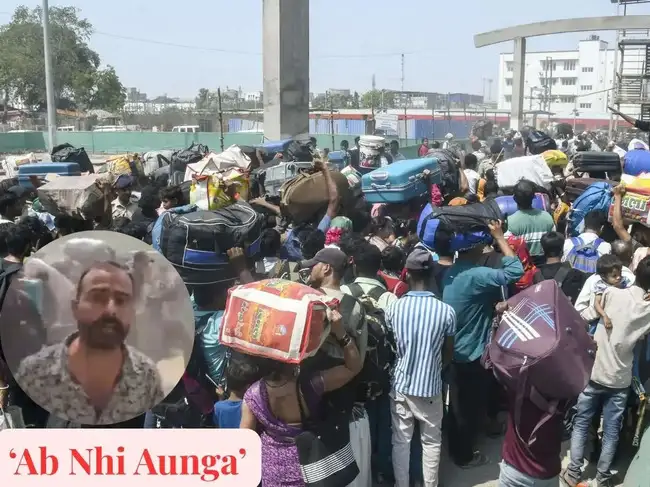
Thousands of migrant workers crowded Surat's Udhna railway station in Gujarat’s on Sunday, triggering long queues, packed trains and crowd control measures, as many rushed to leave the city. While railway officials said operations remained “normal” despite the seasonal spike, passengers on the ground spoke of chaos, heat and hours of waiting with little relief.
The sudden rush is being seen as more than just summer travel. Alongside the holiday season, workers are pointing to a mix of LPG shortages and slowing industrial activity as reasons behind their decision to head back home.
Western Railway officials, however, maintained that the situation was under control.
"The summer season has started, so there is an influx of additional passengers, but Western Railway has made complete arrangements. Today, our first train left Udhna for Jaynagar at 1:30 am, followed by another for Madhubani at 5:30 am. So far, more than 21,000 people have travelled," said PRO Anubhav Saxena.
Officials said special services, including Antyodaya Express and Amrit Bharat Express, were added. Seven extra ticket counters were opened, and additional staff were deployed to manage the rush.
"I have been in the queue since 8 pm last night. I am with my family and there is barely any space inside the compartment to even stand," said Shobhit Tanti from Bihar’s Darbhanga.
"I have been standing in queue in the scorching sun for 15 hours. I have not had food or water as I cannot leave my place in the queue. Some passengers were given water by the authorities, but it is not enough," said Shailendra Yadav.
Inside the trains, overcrowding forced many to travel standing.
Rohit Paswan from Patna said he was returning home due to a "shortage of LPG" and reduced work at his unit. Jaihind Maurya from Uttar Pradesh shared similar concerns, adding that he could not even find a seat on the train.
In earlier interactions, workers had claimed that cooking gas was either unavailable or too expensive, forcing some to skip meals or consider returning to their villages until supply improves.
The situation in Surat also reflects wider disruptions. Tensions in West Asia have impacted energy supply chains, including LPG availability, with local effects now visible in industrial hubs.
"We are asking them to go back home and wait for another announcement by the railways about new trains," said Deputy Superintendent of Police (railways) Dipak Gaud.
Western Railway, in its official communication, reiterated that operations remained smooth and advised passengers not to rely on rumours.
"Contrary to such claims, multiple trains have departed as scheduled from Udhna for northern states today, including Udhna - Jaynagar Special and Madhubani Special. Passengers and the general public are advised to rely only on official communications issued by Railways," the statement said.
Officials said over 23,000 passengers were moved through a mix of regular and special trains. Two more special services were lined up for late evening departures to further reduce congestion at the station.
Later, authorities said coordinated measures such as controlled boarding, tighter queue management and constant monitoring helped improve the situation. Some passengers also noted better movement and boarding arrangements compared to the morning hours.
Indian Railways said it is continuing to track demand and will add more services if needed, while urging passengers to rely only on official updates amid the circulation of misleading videos online.
The developments have once again brought attention to worker unrest across key industrial belts, including Gurgaon, Sonipat and Surat, where similar concerns have been building.
Many of these protests have been linked to dissatisfaction following the implementation of new labour codes late last year, with workers claiming that wage revisions have not met expectations.
In several cases, shortages of LPG and higher costs in informal markets have pushed workers to the brink, triggering frustration and, in some places, protests.
Around the same time, contract workers at a major steel project site in Surat also staged protests that led to injuries among police personnel and damage to vehicles.
Migrant workers at the centre
With India’s large migrant workforce forming the backbone of industrial activity, the impact of these disruptions has been significant. Many workers rely on LPG for daily cooking, but access has been uneven, especially for those living in informal housing.
While authorities have increased the supply of smaller gas cylinders and expanded piped gas networks, access remains limited for migrant workers, leaving them more exposed to shortages and rising costs.
(You can now subscribe to our Economic Times WhatsApp channel)
The sudden rush is being seen as more than just summer travel. Alongside the holiday season, workers are pointing to a mix of LPG shortages and slowing industrial activity as reasons behind their decision to head back home.
What happened in Surat?
By early morning, platforms at Udhna were filled beyond capacity. Passengers queued through the night to board trains heading towards Bihar, Uttar Pradesh and other northern states. Eyewitnesses said police had to use mild force at times to control the crowd when queues broke.Western Railway officials, however, maintained that the situation was under control.
"The summer season has started, so there is an influx of additional passengers, but Western Railway has made complete arrangements. Today, our first train left Udhna for Jaynagar at 1:30 am, followed by another for Madhubani at 5:30 am. So far, more than 21,000 people have travelled," said PRO Anubhav Saxena.

Officials said special services, including Antyodaya Express and Amrit Bharat Express, were added. Seven extra ticket counters were opened, and additional staff were deployed to manage the rush.
Long waits, little space at Surat Station
For many passengers, the experience was far from “normal”. Several described standing in queues for hours in extreme heat, with limited access to water or food."I have been in the queue since 8 pm last night. I am with my family and there is barely any space inside the compartment to even stand," said Shobhit Tanti from Bihar’s Darbhanga.
"I have been standing in queue in the scorching sun for 15 hours. I have not had food or water as I cannot leave my place in the queue. Some passengers were given water by the authorities, but it is not enough," said Shailendra Yadav.
Inside the trains, overcrowding forced many to travel standing.
Why migrants are leaving Surat? Is LPG shortage behind it?
Beyond the summer rush, workers say daily life in Surat has become difficult in recent weeks. Several migrants cited LPG shortages and rising costs as a key reason for leaving.Rohit Paswan from Patna said he was returning home due to a "shortage of LPG" and reduced work at his unit. Jaihind Maurya from Uttar Pradesh shared similar concerns, adding that he could not even find a seat on the train.
In earlier interactions, workers had claimed that cooking gas was either unavailable or too expensive, forcing some to skip meals or consider returning to their villages until supply improves.
The situation in Surat also reflects wider disruptions. Tensions in West Asia have impacted energy supply chains, including LPG availability, with local effects now visible in industrial hubs.
Officials ask workers to wait
Authorities acknowledged that demand had exceeded available train capacity but urged passengers to remain patient."We are asking them to go back home and wait for another announcement by the railways about new trains," said Deputy Superintendent of Police (railways) Dipak Gaud.
Western Railway, in its official communication, reiterated that operations remained smooth and advised passengers not to rely on rumours.
"Contrary to such claims, multiple trains have departed as scheduled from Udhna for northern states today, including Udhna - Jaynagar Special and Madhubani Special. Passengers and the general public are advised to rely only on official communications issued by Railways," the statement said.
Special trains help ease pressure later in the day
As the day progressed, railway authorities said the situation began to stabilise with the introduction of additional special train services. These extra runs were brought in after visuals of overcrowding and disorder at the station spread widely earlier in the day.Officials said over 23,000 passengers were moved through a mix of regular and special trains. Two more special services were lined up for late evening departures to further reduce congestion at the station.
Later, authorities said coordinated measures such as controlled boarding, tighter queue management and constant monitoring helped improve the situation. Some passengers also noted better movement and boarding arrangements compared to the morning hours.
Indian Railways said it is continuing to track demand and will add more services if needed, while urging passengers to rely only on official updates amid the circulation of misleading videos online.
Workers protest in Noida, Panipat and other cities
The unrest seen in Noida is not an isolated development. The industrial township, known for its large manufacturing base, has recently witnessed protests over minimum wage concerns, with tensions escalating into clashes in several areas. Authorities have detained over 300 people as workers and police confronted each other at multiple locations.The developments have once again brought attention to worker unrest across key industrial belts, including Gurgaon, Sonipat and Surat, where similar concerns have been building.
A wider pattern across industrial hubs
In the past few months, protests have surfaced in different parts of the country. Workers in Bihar’s Barauni, Gujarat’s Surat, and Haryana’s Manesar and Panipat have taken to the streets, raising demands for better pay, improved working conditions and fair overtime compensation.Many of these protests have been linked to dissatisfaction following the implementation of new labour codes late last year, with workers claiming that wage revisions have not met expectations.
Rising costs add to pressure
The situation has been made more difficult by increasing living expenses, particularly for migrant workers. A sharp rise in cooking gas prices and supply disruptions has added to their challenges, making it harder to sustain daily life in industrial cities.In several cases, shortages of LPG and higher costs in informal markets have pushed workers to the brink, triggering frustration and, in some places, protests.
Flashpoints turn violent
Some of the protests have escalated. In February, thousands of contractual workers at a refinery in Panipat demonstrated for better wages and conditions, with the situation turning violent as clashes broke out and property was damaged.Around the same time, contract workers at a major steel project site in Surat also staged protests that led to injuries among police personnel and damage to vehicles.
Migrant workers at the centre
With India’s large migrant workforce forming the backbone of industrial activity, the impact of these disruptions has been significant. Many workers rely on LPG for daily cooking, but access has been uneven, especially for those living in informal housing.While authorities have increased the supply of smaller gas cylinders and expanded piped gas networks, access remains limited for migrant workers, leaving them more exposed to shortages and rising costs.
Add  as a Reliable and Trusted News Source
as a Reliable and Trusted News Source Add Now!
(You can now subscribe to our Economic Times WhatsApp channel)










 ETPrime Membership