



Listen to this article in summarized format
×
Subscribe to

Unlock AI Briefing and Premium Content
New Year Offer 24 Hours Left
Subscribe NowAlready a member? Sign In
What's Included
- Exclusive Stories
- Daily ePaper Access
- Smart Market Tools
- Curated Investment Ideas
- Ad-lite Experience
Subscription

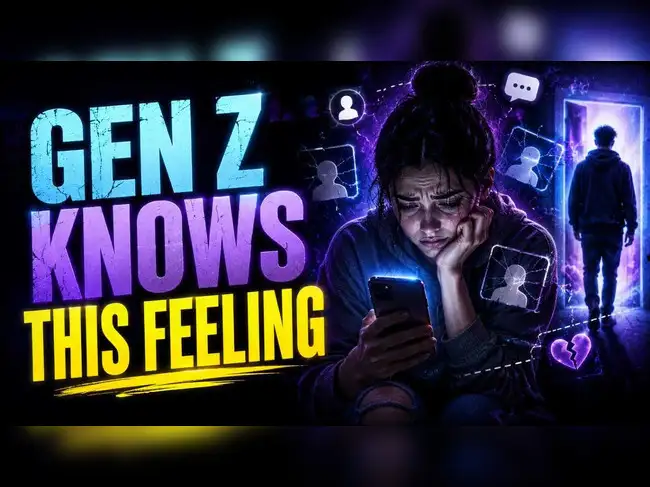
In previous generations, relationships usually ended with a conversation, an argument, or a clear separation. Today, social media has introduced a new and often confusing experience: soft blocking. Unlike a traditional block, a soft block creates distance without completely cutting contact. Someone may remove a follower, restrict interactions, mute content, unfollow quietly, or make themselves less visible without offering any explanation.
For many members of Gen Z, this behavior feels particularly unsettling. The person has not fully disappeared, yet the relationship has clearly changed. There is no direct rejection, but there is no connection either. Psychology suggests that this ambiguity can be more emotionally difficult than a clear ending because the brain continues searching for answers that never arrive.
As digital communication becomes increasingly central to friendships, dating, and social identity, soft blocking has become one of the most misunderstood forms of modern rejection.
The theory suggests that unfinished situations remain more mentally active than completed ones. When something lacks a clear ending, the brain continues returning to it in an attempt to find resolution. Soft blocking creates exactly this problem.
Unlike a direct conversation or an obvious breakup, the relationship remains psychologically open. A person may wonder whether they did something wrong, whether the other person is upset, or whether the distance is temporary.
For example, someone may notice that a close friend suddenly stops engaging with their content, removes them from certain online spaces, or becomes noticeably less responsive. Without an explanation, the mind often fills the gap with speculation.
Psychologists studying the Intolerance of Uncertainty Theory have found that people experience significant stress when they cannot predict or understand social outcomes.
A direct message such as "I need space" may be disappointing, but it provides clarity. Soft blocking removes clarity while leaving questions unanswered.
This ambiguity often keeps people emotionally invested because the brain continues searching for evidence that explains the change.
A college student, for instance, may repeatedly check whether a former friend viewed their stories or interacted with mutual contacts. The goal is rarely information alone. It is often an attempt to reduce uncertainty.
When these signals suddenly disappear, the change can feel highly personal. Researchers studying digital communication have noted that younger generations often experience online interactions as extensions of real-world relationships rather than separate experiences.
As a result, a soft block may feel less like a platform feature and more like a social rejection.
Soft blocking creates a unique form of social exclusion because the rejection remains indirect. The individual is not fully removed from the relationship, but they are no longer included in the same way. This partial exclusion can trigger feelings of confusion, self-doubt, and reduced self-worth.
Modern examples frequently appear in friendship groups where someone is quietly excluded from private chats, online discussions, or social plans without any direct confrontation.
This explains why individuals who have been soft blocked may repeatedly check profiles, revisit conversations, or look for clues about what happened. Unfortunately, these searches rarely provide closure.
Instead, each new piece of information often generates additional interpretations and questions. A missing follow, a changed profile picture, or a new interaction can become the subject of extensive emotional analysis.
Digital platforms make it easy to create distance without confronting conflict directly. While this may feel easier for the person creating the boundary, it can leave the other person struggling with unanswered questions.
Research from organizations such as the American Psychological Association has highlighted how ambiguity in relationships often increases emotional distress compared with clear communication. The issue is not always the loss itself. Often, it is the lack of understanding surrounding the loss.
The most important insight is that the emotional pain often comes not from losing the relationship but from being left in a state of uncertainty. The brain wants a conclusion, a reason, or a story that makes sense.
When none arrives, the mind continues searching. That is why soft blocking can feel so confusing. It is not simply rejection. It is rejection without closure.
(You can now subscribe to our Economic Times WhatsApp channel)
For many members of Gen Z, this behavior feels particularly unsettling. The person has not fully disappeared, yet the relationship has clearly changed. There is no direct rejection, but there is no connection either. Psychology suggests that this ambiguity can be more emotionally difficult than a clear ending because the brain continues searching for answers that never arrive.
As digital communication becomes increasingly central to friendships, dating, and social identity, soft blocking has become one of the most misunderstood forms of modern rejection.
Why The Brain Struggles With Unfinished Social Endings
One of the strongest psychological explanations comes from the Zeigarnik Effect, identified by psychologist Bluma Zeigarnik.The theory suggests that unfinished situations remain more mentally active than completed ones. When something lacks a clear ending, the brain continues returning to it in an attempt to find resolution. Soft blocking creates exactly this problem.


Unlike a direct conversation or an obvious breakup, the relationship remains psychologically open. A person may wonder whether they did something wrong, whether the other person is upset, or whether the distance is temporary.
For example, someone may notice that a close friend suddenly stops engaging with their content, removes them from certain online spaces, or becomes noticeably less responsive. Without an explanation, the mind often fills the gap with speculation.
Why Uncertainty Feels Worse Than Rejection
Many people assume rejection is the most painful part of relationship loss. Research suggests uncertainty can be equally distressing.Psychologists studying the Intolerance of Uncertainty Theory have found that people experience significant stress when they cannot predict or understand social outcomes.

A direct message such as "I need space" may be disappointing, but it provides clarity. Soft blocking removes clarity while leaving questions unanswered.
This ambiguity often keeps people emotionally invested because the brain continues searching for evidence that explains the change.
A college student, for instance, may repeatedly check whether a former friend viewed their stories or interacted with mutual contacts. The goal is rarely information alone. It is often an attempt to reduce uncertainty.
Why Gen Z Feels The Impact More Strongly
Members of Gen Z have grown up in an environment where friendships, relationships, and social status are often reflected through digital interactions. Platforms such as Instagram, TikTok, Snapchat, and other social networks create visible signals of connection. Likes, comments, follows, story views, and direct messages have become social indicators.When these signals suddenly disappear, the change can feel highly personal. Researchers studying digital communication have noted that younger generations often experience online interactions as extensions of real-world relationships rather than separate experiences.
As a result, a soft block may feel less like a platform feature and more like a social rejection.
The Psychology Of Social Exclusion
Another explanation comes from research on Belongingness Theory, developed by psychologist Roy Baumeister and colleagues. The theory suggests that humans have a fundamental need to form and maintain meaningful social connections. When those connections become threatened, emotional discomfort often follows.Soft blocking creates a unique form of social exclusion because the rejection remains indirect. The individual is not fully removed from the relationship, but they are no longer included in the same way. This partial exclusion can trigger feelings of confusion, self-doubt, and reduced self-worth.
Modern examples frequently appear in friendship groups where someone is quietly excluded from private chats, online discussions, or social plans without any direct confrontation.
Why People Keep Searching For Answers
Psychologists often connect this behavior to attachment theory, originally developed by psychiatrist John Bowlby. When important relationships become uncertain, people naturally seek information that helps restore emotional security.This explains why individuals who have been soft blocked may repeatedly check profiles, revisit conversations, or look for clues about what happened. Unfortunately, these searches rarely provide closure.
Instead, each new piece of information often generates additional interpretations and questions. A missing follow, a changed profile picture, or a new interaction can become the subject of extensive emotional analysis.
The Rise Of Rejection Without Conversation
Soft blocking has become increasingly common because it allows people to avoid uncomfortable discussions.Digital platforms make it easy to create distance without confronting conflict directly. While this may feel easier for the person creating the boundary, it can leave the other person struggling with unanswered questions.
Research from organizations such as the American Psychological Association has highlighted how ambiguity in relationships often increases emotional distress compared with clear communication. The issue is not always the loss itself. Often, it is the lack of understanding surrounding the loss.
Why Closure Still Matters
Psychology suggests that people cope more effectively with difficult experiences when they can create a coherent explanation for what happened. The challenge with soft blocking is that it rarely provides one.The most important insight is that the emotional pain often comes not from losing the relationship but from being left in a state of uncertainty. The brain wants a conclusion, a reason, or a story that makes sense.
When none arrives, the mind continues searching. That is why soft blocking can feel so confusing. It is not simply rejection. It is rejection without closure.
FAQs
What is soft blocking?
Soft blocking refers to creating distance online without fully blocking someone, often through actions such as removing followers, muting content, restricting interactions, or quietly disengaging.Why does being soft blocked feel so upsetting?
Psychology suggests it creates uncertainty and a lack of closure, which can keep the brain searching for answers long after the relationship changes.Add  as a Reliable and Trusted News Source
as a Reliable and Trusted News Source Add Now!
(You can now subscribe to our Economic Times WhatsApp channel)
(Catch all the US News, UK News, Canada News, International Breaking News Events, and Latest News Updates on The Economic Times.)
Download The Economic Times News App to get Daily International News Updates.
Read More News on
(Catch all the US News, UK News, Canada News, International Breaking News Events, and Latest News Updates on The Economic Times.)
Download The Economic Times News App to get Daily International News Updates.

