



Listen to this article in summarized format
×
Subscribe to

Unlock AI Briefing and Premium Content
New Year Offer 24 Hours Left
Subscribe NowAlready a member? Sign In
What's Included
- Exclusive Stories
- Daily ePaper Access
- Smart Market Tools
- Curated Investment Ideas
- Ad-lite Experience
Subscription

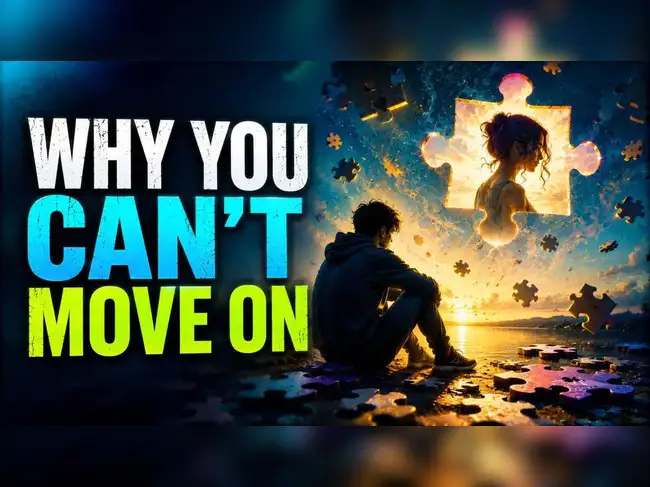
A conversation is flowing normally. Messages arrive every day. Plans are discussed. Interest seems mutual. Then suddenly, nothing. No explanation. No goodbye. No argument. Just silence.
This experience, commonly known as ghosting, has become one of the defining relationship challenges of the digital age. Whether it happens in dating, friendships, professional networking, or even family relationships, ghosting often leaves people feeling confused, rejected, and emotionally stuck.
Psychology suggests that the pain of ghosting is not simply about losing a relationship. In many cases, it is about losing the opportunity to understand what happened. When someone disappears without explanation, the brain is left with an unfinished story. Instead of finding closure, it continues searching for answers, often long after the relationship has ended.
For Gen Z, whose social lives are deeply intertwined with digital communication, this uncertainty can feel especially difficult to process.
Ghosting creates the perfect conditions for this effect. Unlike a direct rejection, a breakup conversation, or a clear disagreement, ghosting provides no explanation. The story stops abruptly.
As a result, many people repeatedly replay conversations, analyze messages, and search for clues they may have missed. A college student who was suddenly ghosted after weeks of texting, for example, may spend months wondering what changed, even when there is no new information available.
A direct message saying, "I don't think we're compatible," may hurt. However, it provides clarity. Ghosting removes clarity entirely.
The brain becomes trapped between multiple possibilities. Did the person lose interest? Are they overwhelmed? Did something happen in their life? Did I do something wrong? Without answers, people often continue searching for certainty that never arrives.
When someone disappears, many people begin searching for indirect answers. They may check whether stories are being posted, whether messages are being read, whether new people appear in photos, or whether mutual friends know anything.
Psychologists often connect this behavior to information-seeking after social loss.
The brain believes more information will reduce uncertainty. In reality, these searches often create additional questions rather than genuine closure.
Studies using brain imaging have found that social rejection activates some of the same neural regions involved in processing physical discomfort.
This helps explain why ghosting can feel disproportionately painful compared to the length of the relationship itself. The brain is responding not only to the loss of a person but also to the disruption of a basic psychological need for connection and belonging.
Ghosting often creates a vacuum of information. Psychologists have found that when information is missing, people frequently generate explanations themselves. Unfortunately, these explanations are often self-critical.
A person may conclude they were not attractive enough, interesting enough, successful enough, or worthy enough. This pattern is related to Attribution Theory, which examines how individuals explain events in their lives.
Without clear answers, many people default to internal explanations, assuming they are responsible for the disappearance. In reality, ghosting often reflects the other person's communication style, conflict avoidance, emotional maturity, or personal circumstances rather than the worth of the person being ghosted.
For the person doing the ghosting, silence may feel easier. For the person left behind, however, the absence of explanation often creates a psychological burden that lasts much longer than a direct conversation would have.
This is one reason researchers studying modern relationships increasingly view ghosting as a form of ambiguous loss, loss that lacks a clear ending or explanation.
People generally recover more effectively when they can understand what happened and place events into a coherent narrative. Ghosting disrupts that process.
The pain often comes not from the disappearance itself but from the unanswered questions left behind. Psychology suggests that the brain is naturally wired to seek conclusions, patterns, and explanations. When those explanations never arrive, the story remains mentally open.
That is why ghosting can feel so difficult to forget. The relationship may be over, but for the brain, the story never received an ending.
(You can now subscribe to our Economic Times WhatsApp channel)
This experience, commonly known as ghosting, has become one of the defining relationship challenges of the digital age. Whether it happens in dating, friendships, professional networking, or even family relationships, ghosting often leaves people feeling confused, rejected, and emotionally stuck.
Psychology suggests that the pain of ghosting is not simply about losing a relationship. In many cases, it is about losing the opportunity to understand what happened. When someone disappears without explanation, the brain is left with an unfinished story. Instead of finding closure, it continues searching for answers, often long after the relationship has ended.
For Gen Z, whose social lives are deeply intertwined with digital communication, this uncertainty can feel especially difficult to process.
Why The Brain Struggles With Unfinished Stories
One of the most widely cited psychological explanations comes from the Zeigarnik Effect, identified by psychologist Bluma Zeigarnik. The theory suggests that people remember incomplete experiences more vividly than completed ones. When a situation lacks resolution, the mind continues revisiting it in an effort to create a meaningful ending.
Ghosting creates the perfect conditions for this effect. Unlike a direct rejection, a breakup conversation, or a clear disagreement, ghosting provides no explanation. The story stops abruptly.
As a result, many people repeatedly replay conversations, analyze messages, and search for clues they may have missed. A college student who was suddenly ghosted after weeks of texting, for example, may spend months wondering what changed, even when there is no new information available.
Why Uncertainty Often Hurts More Than Rejection
Many people assume rejection is the most painful part of ghosting. Psychology suggests uncertainty may be the larger problem. Research related to Intolerance of Uncertainty Theory shows that humans experience significant emotional discomfort when important questions remain unanswered.A direct message saying, "I don't think we're compatible," may hurt. However, it provides clarity. Ghosting removes clarity entirely.
The brain becomes trapped between multiple possibilities. Did the person lose interest? Are they overwhelmed? Did something happen in their life? Did I do something wrong? Without answers, people often continue searching for certainty that never arrives.
Why Gen Z Keeps Checking For Signs
One reason ghosting feels particularly powerful among Gen Z is the role digital communication plays in modern relationships. Platforms such as Instagram, TikTok, Snapchat, and messaging apps create constant opportunities to monitor social activity.When someone disappears, many people begin searching for indirect answers. They may check whether stories are being posted, whether messages are being read, whether new people appear in photos, or whether mutual friends know anything.
Psychologists often connect this behavior to information-seeking after social loss.
The brain believes more information will reduce uncertainty. In reality, these searches often create additional questions rather than genuine closure.
The Psychology Of Social Rejection
Another explanation comes from research on Belongingness Theory, developed by psychologist Roy Baumeister. Humans have a fundamental need to form and maintain meaningful social connections. When those connections suddenly disappear, the experience can trigger emotional responses similar to physical pain.Studies using brain imaging have found that social rejection activates some of the same neural regions involved in processing physical discomfort.
This helps explain why ghosting can feel disproportionately painful compared to the length of the relationship itself. The brain is responding not only to the loss of a person but also to the disruption of a basic psychological need for connection and belonging.
Why People Blame Themselves After Being Ghosted
Ghosting often creates a vacuum of information. Psychologists have found that when information is missing, people frequently generate explanations themselves. Unfortunately, these explanations are often self-critical.A person may conclude they were not attractive enough, interesting enough, successful enough, or worthy enough. This pattern is related to Attribution Theory, which examines how individuals explain events in their lives.
Without clear answers, many people default to internal explanations, assuming they are responsible for the disappearance. In reality, ghosting often reflects the other person's communication style, conflict avoidance, emotional maturity, or personal circumstances rather than the worth of the person being ghosted.
Why Ghosting Has Become So Common
Technology has changed how relationships begin and end. Digital communication allows people to disconnect without facing the emotional discomfort of direct conversations. Instead of expressing difficult feelings, some individuals simply stop responding.For the person doing the ghosting, silence may feel easier. For the person left behind, however, the absence of explanation often creates a psychological burden that lasts much longer than a direct conversation would have.
This is one reason researchers studying modern relationships increasingly view ghosting as a form of ambiguous loss, loss that lacks a clear ending or explanation.
Why Closure Matters More Than Most People Realize
Research from organizations such as the American Psychological Association has consistently highlighted the importance of meaning-making during difficult life experiences.People generally recover more effectively when they can understand what happened and place events into a coherent narrative. Ghosting disrupts that process.
The pain often comes not from the disappearance itself but from the unanswered questions left behind. Psychology suggests that the brain is naturally wired to seek conclusions, patterns, and explanations. When those explanations never arrive, the story remains mentally open.
That is why ghosting can feel so difficult to forget. The relationship may be over, but for the brain, the story never received an ending.
FAQs
Why does ghosting hurt so much emotionally?
Psychology suggests ghosting creates uncertainty and removes the opportunity for closure, causing the brain to continue searching for answers.What is the Zeigarnik Effect?
The Zeigarnik Effect is the tendency to remember and remain focused on unfinished or unresolved situations more than completed ones.Add  as a Reliable and Trusted News Source
as a Reliable and Trusted News Source Add Now!
(You can now subscribe to our Economic Times WhatsApp channel)
(Catch all the US News, UK News, Canada News, International Breaking News Events, and Latest News Updates on The Economic Times.)
Download The Economic Times News App to get Daily International News Updates.
Read More News on
(Catch all the US News, UK News, Canada News, International Breaking News Events, and Latest News Updates on The Economic Times.)
Download The Economic Times News App to get Daily International News Updates.

