

Listen to this article in summarized format
×
Subscribe to

Unlock AI Briefing and Premium Content
New Year Offer 24 Hours Left
Subscribe NowAlready a member? Sign In
What's Included
- Exclusive Stories
- Daily ePaper Access
- Smart Market Tools
- Curated Investment Ideas
- Ad-lite Experience
Subscription

 Global Desk
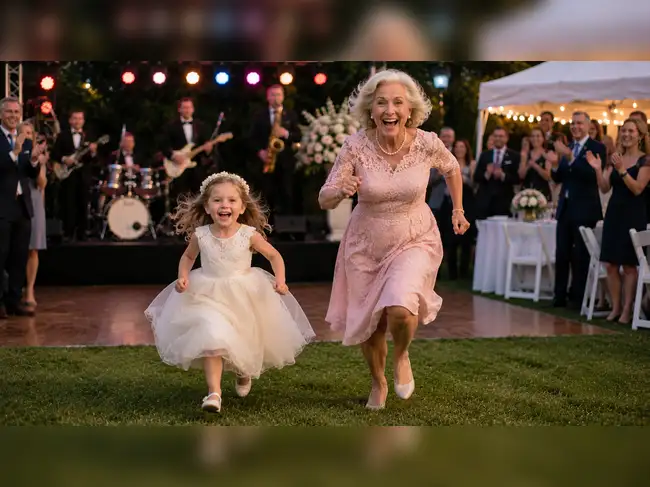
Jewish Proverb of the Day highlights a traditional saying that reflects patterns of human experience, emotion, and the way joy influences behavior across different stages of life. The proverb “A woman of sixty, like a girl of six, runs at the sound of wedding music” offers insight into how celebration, music, and the promise of new beginnings can evoke a sense of excitement that is not limited by age. It suggests that human emotions such as joy, curiosity, and enthusiasm remain deeply present regardless of how many years a person has lived.
Many people turn to such proverbs to better understand life in simple, relatable terms drawn from cultural wisdom and shared experience. These sayings often reflect how ordinary moments—like weddings and festive gatherings—carry a universal emotional pull that transcends generational differences. Over time, they become part of everyday reflection, reminding us that while age may change the body, the human capacity for joy, connection, and emotional response remains timeless and deeply rooted in shared human nature.
“A woman of sixty, like a girl of six, runs at the sound of wedding music”
Meaning of the Jewish proverb
Jewish proverb of the day highlights a timeless idea about human emotion, celebration, and the way shared cultural moments influence behavior across different stages of life.
The first part of the proverb suggests that joy and excitement are not limited by age. It challenges the assumption that enthusiasm naturally belongs only to the young, showing instead that emotional responsiveness can remain strong throughout life. The sound of wedding music becomes a symbol of celebration that can awaken a sense of energy and anticipation regardless of how many years a person has lived.
The second part emphasizes how deeply social and cultural experiences shape human reactions. It suggests that events like weddings carry a universal emotional pull, rooted in tradition, music, and the meaning of new beginnings. These moments often trigger instinctive feelings of happiness, participation, and connection, even in those who are older and more experienced.
Together, the proverb teaches that human emotion is not fixed by age. Instead, it is shaped by experience, memory, and the enduring ability to respond to joy. What appears as a youthful reaction is often a timeless human response to celebration, belonging, and shared happiness.
Why It’s Never Too Late to Enjoy Life
It’s never too late to enjoy life because happiness is not limited by age, background, or past experiences. Every stage of life brings new opportunities to find meaning, whether through relationships, hobbies, travel, or simple daily moments. People often believe that joy belongs only to youth, but real fulfillment can be discovered at any time when one chooses to stay open to new experiences. Life constantly changes, and with change comes the chance to begin again, explore new interests, and reconnect with what truly matters. Letting go of regrets and focusing on the present helps create space for gratitude and peace. Enjoying life is less about time and more about mindset. When a person chooses positivity, curiosity, and self-acceptance, they realize that happiness does not expire—it evolves.
Life lessons from the Jewish proverb
The proverb carries practical lessons about joy, emotional awareness, and how individuals respond to shared cultural moments across different stages of life.
1. Joy is not limited by age
Excitement and enthusiasm are not exclusive to youth. People can experience strong emotional responses to celebration and happiness at any stage of life.
2. Music and tradition influence emotion
Events like weddings show how deeply cultural rituals and music can shape human feelings, often triggering spontaneous joy and participation.
3. Emotional responsiveness remains lifelong
Aging does not remove the ability to feel excitement. Instead, life experience can even deepen appreciation for meaningful celebrations and gatherings.
4. Shared celebrations create connection
Weddings and similar social events bring people together, reinforcing a sense of belonging that transcends generational differences.
Why this proverb is still relevant today
In modern life, this proverb extends beyond celebrations and cultural traditions. It reflects how joy, emotional expression, and participation in shared experiences remain important in a fast-paced world shaped by technology, social media, and changing lifestyles. Even today, events like weddings continue to bring people together, cutting across age groups and backgrounds through a shared sense of happiness and connection.
The proverb encourages emotional awareness and reminds us that the ability to feel excitement does not diminish with age. In many ways, contemporary life often separates people through busy routines and digital interactions, but moments of celebration still create genuine human connection and collective joy. Ultimately, it teaches a simple but powerful truth: emotional responsiveness is timeless. While life changes with age and experience, the human capacity to feel joy, participate in celebration, and connect with others remains a constant part of who we are.
English equivalent and related expressions
Other English expressions that reflect similar thinking include:
(You can now subscribe to our Economic Times WhatsApp channel)
Many people turn to such proverbs to better understand life in simple, relatable terms drawn from cultural wisdom and shared experience. These sayings often reflect how ordinary moments—like weddings and festive gatherings—carry a universal emotional pull that transcends generational differences. Over time, they become part of everyday reflection, reminding us that while age may change the body, the human capacity for joy, connection, and emotional response remains timeless and deeply rooted in shared human nature.
Jewish Proverb of the Day — Why you can celebrate your life at any age
“A woman of sixty, like a girl of six, runs at the sound of wedding music”

Meaning of the Jewish proverb
Jewish proverb of the day highlights a timeless idea about human emotion, celebration, and the way shared cultural moments influence behavior across different stages of life.The first part of the proverb suggests that joy and excitement are not limited by age. It challenges the assumption that enthusiasm naturally belongs only to the young, showing instead that emotional responsiveness can remain strong throughout life. The sound of wedding music becomes a symbol of celebration that can awaken a sense of energy and anticipation regardless of how many years a person has lived.
The second part emphasizes how deeply social and cultural experiences shape human reactions. It suggests that events like weddings carry a universal emotional pull, rooted in tradition, music, and the meaning of new beginnings. These moments often trigger instinctive feelings of happiness, participation, and connection, even in those who are older and more experienced.
Together, the proverb teaches that human emotion is not fixed by age. Instead, it is shaped by experience, memory, and the enduring ability to respond to joy. What appears as a youthful reaction is often a timeless human response to celebration, belonging, and shared happiness.
Why It’s Never Too Late to Enjoy Life
It’s never too late to enjoy life because happiness is not limited by age, background, or past experiences. Every stage of life brings new opportunities to find meaning, whether through relationships, hobbies, travel, or simple daily moments. People often believe that joy belongs only to youth, but real fulfillment can be discovered at any time when one chooses to stay open to new experiences. Life constantly changes, and with change comes the chance to begin again, explore new interests, and reconnect with what truly matters. Letting go of regrets and focusing on the present helps create space for gratitude and peace. Enjoying life is less about time and more about mindset. When a person chooses positivity, curiosity, and self-acceptance, they realize that happiness does not expire—it evolves.Life lessons from the Jewish proverb
The proverb carries practical lessons about joy, emotional awareness, and how individuals respond to shared cultural moments across different stages of life.1. Joy is not limited by age
Excitement and enthusiasm are not exclusive to youth. People can experience strong emotional responses to celebration and happiness at any stage of life.2. Music and tradition influence emotion
Events like weddings show how deeply cultural rituals and music can shape human feelings, often triggering spontaneous joy and participation.3. Emotional responsiveness remains lifelong
Aging does not remove the ability to feel excitement. Instead, life experience can even deepen appreciation for meaningful celebrations and gatherings.4. Shared celebrations create connection
Weddings and similar social events bring people together, reinforcing a sense of belonging that transcends generational differences.Why this proverb is still relevant today
In modern life, this proverb extends beyond celebrations and cultural traditions. It reflects how joy, emotional expression, and participation in shared experiences remain important in a fast-paced world shaped by technology, social media, and changing lifestyles. Even today, events like weddings continue to bring people together, cutting across age groups and backgrounds through a shared sense of happiness and connection.The proverb encourages emotional awareness and reminds us that the ability to feel excitement does not diminish with age. In many ways, contemporary life often separates people through busy routines and digital interactions, but moments of celebration still create genuine human connection and collective joy. Ultimately, it teaches a simple but powerful truth: emotional responsiveness is timeless. While life changes with age and experience, the human capacity to feel joy, participate in celebration, and connect with others remains a constant part of who we are.
English equivalent and related expressions
Other English expressions that reflect similar thinking include:- “You’re only as old as you feel.”
- “Young at heart.”
- “Happiness has no age.”
- “Joy is timeless.”
Add  as a Reliable and Trusted News Source
as a Reliable and Trusted News Source Add Now!
(You can now subscribe to our Economic Times WhatsApp channel)
(Catch all the US News, UK News, Canada News, International Breaking News Events, and Latest News Updates on The Economic Times.)
Download The Economic Times News App to get Daily International News Updates.
Read More News on
(Catch all the US News, UK News, Canada News, International Breaking News Events, and Latest News Updates on The Economic Times.)
Download The Economic Times News App to get Daily International News Updates.