

Listen to this article in summarized format
×
Subscribe to

Unlock AI Briefing and Premium Content
New Year Offer 24 Hours Left
Subscribe NowAlready a member? Sign In
What's Included
- Exclusive Stories
- Daily ePaper Access
- Smart Market Tools
- Curated Investment Ideas
- Ad-lite Experience
Subscription

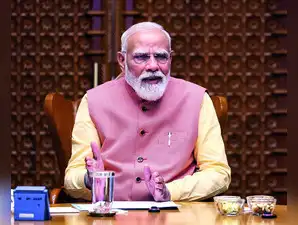
New Delhi: Days after a meeting of the Cabinet Committee on Security (CCS) to review the impact of the ongoing war in West Asia, Prime Minister Narendra Modi chaired another special meeting of the CCS on Wednesday to discuss prevailing challenges in agriculture, aviation, shipping, logistics and the MSME sector. The Centre will enhance coordination with states to ensure the availability of critical supplies and to check disinformation.
Cabinet secretary TV Somanathan briefed the CCS on steps taken to ensure a steady supply of LPG, LNG and power. As stated by the Prime Minister in his address to both Houses of Parliament last week, sources for LPG procurement are being diversified, with inflows from multiple countries to meet India's energy needs.Also Read: Iran war knocks on boardrooms- Corporates stare at a new risk
Somanathan informed ministers that LPG prices for domestic consumers have remained unchanged, and that anti-diversion enforcement to curb hoarding and black marketing is being carried out regularly. Initiatives have also been taken to expand piped natural gas connections. Measures such as exempting gas-based power plants with a capacity of 7-8 GW from the gas pooling mechanism, and increasing rakes to position more coal at thermal power stations, have also been undertaken to ensure adequate power supply during the peak summer months.
The Prime Minister emphasised that essential commodities must remain available to the public, and that all necessary efforts should be made to safeguard citizens from the impact of the West Asia conflict. He had earlier chaired the first special CCS meeting on West Asia on March 22.
Amid reports of misinformation about shortages, the Centre has decided to strengthen coordination, ensure real-time communication, and take proactive measures across central, state and district levels. Control rooms have been set up for continuous monitoring and engagement with states and Union Territories on prices and enforcement of the Essential Commodities Act.ALSO READ: Trump talks of Operation Epic Fury's endgame in two-three weeks without Tehran pact, gives D-St hope
Retail prices of food commodities have remained stable over the past month, while prices of agricultural produce, vegetables and fruits are being closely monitored.
With the Kharif season approaching, the Prime Minister reviewed fertiliser availability and the steps being taken to ensure adequate supply.
Modi directed all concerned departments to take every possible measure to mitigate the impact on citizens and sectors affected by the evolving global situation.
Apart from the four CCS members-Home Minister Amit Shah, Defence Minister Rajnath Singh, Finance Minister Nirmala Sitharaman and External Affairs Minister S Jaishankar-those present included Petroleum Minister Hardeep Puri, Fertiliser Minister JP Nadda, Commerce and Industry Minister Piyush Goyal, Food and Consumer Affairs Minister Pralhad Joshi, Agriculture Minister Shivraj Singh Chouhan, Civil Aviation Minister Ram Mohan Naidu, Information and Broadcasting and IT Minister Ashwini Vaishnaw, and Power Minister Manohar Lal.
Interventions to address emerging challenges across sectors such as agriculture, civil aviation, shipping and logistics were also discussed.
Measures including maintaining urea production to meet demand and coordinating overseas supplies of DAP and NPK fertilisers are being undertaken to ensure adequate availability. State governments have been asked to curb black marketing, hoarding and diversion of fertilisers through daily monitoring, inspections and strict enforcement.
On the foreign policy front, the government is taking steps to further diversify sources for energy, fertilisers and other supply chains. Following the successful passage of LPG-carrying vessels through the Strait of Hormuz, efforts are continuing at the international level to secure safe passage for more shipments.
(You can now subscribe to our Economic Times WhatsApp channel)
Cabinet secretary TV Somanathan briefed the CCS on steps taken to ensure a steady supply of LPG, LNG and power. As stated by the Prime Minister in his address to both Houses of Parliament last week, sources for LPG procurement are being diversified, with inflows from multiple countries to meet India's energy needs.Also Read: Iran war knocks on boardrooms- Corporates stare at a new risk
Somanathan informed ministers that LPG prices for domestic consumers have remained unchanged, and that anti-diversion enforcement to curb hoarding and black marketing is being carried out regularly. Initiatives have also been taken to expand piped natural gas connections. Measures such as exempting gas-based power plants with a capacity of 7-8 GW from the gas pooling mechanism, and increasing rakes to position more coal at thermal power stations, have also been undertaken to ensure adequate power supply during the peak summer months.
The Prime Minister emphasised that essential commodities must remain available to the public, and that all necessary efforts should be made to safeguard citizens from the impact of the West Asia conflict. He had earlier chaired the first special CCS meeting on West Asia on March 22.
Amid reports of misinformation about shortages, the Centre has decided to strengthen coordination, ensure real-time communication, and take proactive measures across central, state and district levels. Control rooms have been set up for continuous monitoring and engagement with states and Union Territories on prices and enforcement of the Essential Commodities Act.ALSO READ: Trump talks of Operation Epic Fury's endgame in two-three weeks without Tehran pact, gives D-St hope

Retail prices of food commodities have remained stable over the past month, while prices of agricultural produce, vegetables and fruits are being closely monitored.
With the Kharif season approaching, the Prime Minister reviewed fertiliser availability and the steps being taken to ensure adequate supply.
Modi directed all concerned departments to take every possible measure to mitigate the impact on citizens and sectors affected by the evolving global situation.
Apart from the four CCS members-Home Minister Amit Shah, Defence Minister Rajnath Singh, Finance Minister Nirmala Sitharaman and External Affairs Minister S Jaishankar-those present included Petroleum Minister Hardeep Puri, Fertiliser Minister JP Nadda, Commerce and Industry Minister Piyush Goyal, Food and Consumer Affairs Minister Pralhad Joshi, Agriculture Minister Shivraj Singh Chouhan, Civil Aviation Minister Ram Mohan Naidu, Information and Broadcasting and IT Minister Ashwini Vaishnaw, and Power Minister Manohar Lal.
Interventions to address emerging challenges across sectors such as agriculture, civil aviation, shipping and logistics were also discussed.
Measures including maintaining urea production to meet demand and coordinating overseas supplies of DAP and NPK fertilisers are being undertaken to ensure adequate availability. State governments have been asked to curb black marketing, hoarding and diversion of fertilisers through daily monitoring, inspections and strict enforcement.
On the foreign policy front, the government is taking steps to further diversify sources for energy, fertilisers and other supply chains. Following the successful passage of LPG-carrying vessels through the Strait of Hormuz, efforts are continuing at the international level to secure safe passage for more shipments.
Add  as a Reliable and Trusted News Source
as a Reliable and Trusted News Source Add Now!
(You can now subscribe to our Economic Times WhatsApp channel)











 ETPrime Membership