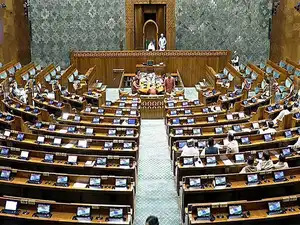
The Lok Sabha has passed the Insolvency and Bankruptcy Code (Amendment) Bill, replacing the underutilized fast-track process with a new creditor-initiated insolvency framework. Finance Minister Nirmala Sitharaman highlighted that the IBC has facilitated the resolution of 1,376 companies, recovering Rs 4.11 lakh crore. The amendments aim to expedite insolvency applications and introduce provisions for group and cross-border insolvency.
Sitharaman informed that the bill replaces the underutilised fast-track process, which was essentially a Corporate Insolvency Resolution Process (CIRP) with a reduced timeline for small companies. The Bill has proposed 12 amendments to the IBC, which came into force in 2016.
"The earlier framework was not fully utilised. It is now being replaced by a new creditor-initiated insolvency framework featuring out-of-court settlements, debtor-in-possession, and creditor-in-control models," she said.
The finance minister informed the Lok Sabha that the Insolvency and Bankruptcy Code (IBC) has facilitated the resolution of 1,376 companies, enabling creditors to recover Rs 4.11 lakh crore as of December 2025.
Live Events
About the proposed amendments, she said that the IBC Amendment Bill provides for mandatory admission of an insolvency application within 14 days once the company's default is established.
ET Bureau
Graphic shows how the proposed amendments to the decade-old law, blamed by critics for causing inordinate delay in the rescue or liquidation of bankrupt firms, is going to shape the country’s insolvency ecosystem.
Key Highlights of Sitharaman's reply to discussion on IBC Bill:
The proposed amendments to IBC provide enabling provisions for group, cross-border insolvency processes
Insolvency and Bankruptcy Code has led to better credit ratings of companies
IBC never intended to be a debt recovery tool
Bill proposes penalties to prevent abuse of process
Primary reason for IBC resolution delays is extensive litigation
IBC amendment Bill provides for mandatory admission of insolvency application within 14 days once the company's default is established
Interests of workmen are not compromised under IBC process; workmen's dues get higher priority
Insolvency law main factor in improving health of country's banking sector
More than half of the NPAs (Non-Performing Assets) have been recovered by the banks through the resolution process
On August 12, 2025, the government introduced the Bill in the Lok Sabha to amend the Insolvency and Bankruptcy Code (IBC), proposing a series of changes, including provisions to reduce the time taken for admission of insolvency resolution applications. The Bill was then referred to a select committee of the Lok Sabha, which submitted its report in December 2025. IBC has been amended seven times so far.





Subscription

 ANI
ANI ET Bureau
 as a Reliable and Trusted News Source
 Add Now!












 ETPrime Membership