

Listen to this article in summarized format
×
Subscribe to

Unlock AI Briefing and Premium Content
New Year Offer 24 Hours Left
Subscribe NowAlready a member? Sign In
What's Included
- Exclusive Stories
- Daily ePaper Access
- Smart Market Tools
- Curated Investment Ideas
- Ad-lite Experience
Subscription

 ANI
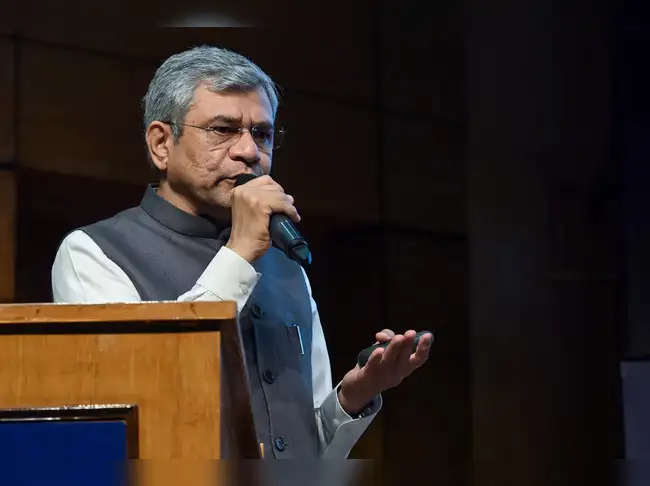
ANIThe Union Cabinet on Wednesday approved a wide-ranging package of decisions involving regional air connectivity, immigration system modernisation and climate commitments, with a total financial implication of Rs 30,640 crore, Information and Broadcasting Minister Ashwini Vaishnaw said during a Cabinet briefing.
A major component of the package is the revamped Regional Air Connectivity Scheme (RCS), under which the government has approved investments to expand aviation access across underserved regions through new airports, helipads and financial support for airlines.
Also Read: Cabinet clears Rs 1,800 crore plan to modernise India's immigration system
To improve last-mile connectivity, especially in difficult terrains, 200 modern helipads will be constructed with a budgetary support of Rs 3,661 crore. Helicopter services are expected to significantly enhance connectivity in the Himalayan region, North-East, island territories and aspirational districts.
The scheme also includes Rs 400 crore for the acquisition of Made-in-India aircraft, supporting domestic manufacturing in the aviation sector.
In addition, the Centre will provide viability gap funding (VGF) support of 80–90% to airlines, tapered over five years, with a budgetary allocation of Rs 10,043 crore. To address operational challenges, the Cabinet has approved three-year operations and maintenance (O&M) support for RCS airports, capped at Rs 3 crore annually per airport and Rs 90 lakh for helipads, with a total outlay of Rs 2,577 crore.
The IVFRT 3.0 programme aims to transform India’s immigration and visa ecosystem through next-generation technologies such as AI/ML tools, iris scanning, biometric authentication and AI-enabled cameras. It will also introduce mobile-based services and self-service kiosks at immigration checkpoints.
The scheme focuses on three pillars — emerging technology innovations, transformation of core infrastructure, and technology and service optimisation. This includes upgrading data centres, strengthening systems at immigration check posts and FRROs, and implementing integrated command and control centres.
Officials said the initiative will further reduce visa processing time, enhance real-time data sharing across agencies, and improve passenger clearance efficiency while strengthening national security.
India aims to reduce emissions intensity of GDP by 47% by 2035 compared to 2005 levels. It also plans to achieve 60% of cumulative installed electricity capacity from non-fossil fuel sources by 2035.
Also Read: Cabinet clears UDAN 2.0 with Rs 28,840 cr outlay; expands airports, boosts airline support
Additionally, the country has set a target to create a carbon sink of 3.5–4.0 billion tonnes of CO₂ equivalent through forest and tree cover.
“The decisions will strengthen infrastructure, improve ease of travel and support long-term economic growth,” Ashwini Vaishnaw said during the briefing.
(You can now subscribe to our Economic Times WhatsApp channel)
A major component of the package is the revamped Regional Air Connectivity Scheme (RCS), under which the government has approved investments to expand aviation access across underserved regions through new airports, helipads and financial support for airlines.
Udan 2.0: Regional connectivity push
Under the modified Udan scheme, 100 new airports will be developed in “challenge mode” with an average cost of Rs 100 crore per airport. The government has allocated Rs 12,159 crore as budgetary support for this component.Also Read: Cabinet clears Rs 1,800 crore plan to modernise India's immigration system
To improve last-mile connectivity, especially in difficult terrains, 200 modern helipads will be constructed with a budgetary support of Rs 3,661 crore. Helicopter services are expected to significantly enhance connectivity in the Himalayan region, North-East, island territories and aspirational districts.

The scheme also includes Rs 400 crore for the acquisition of Made-in-India aircraft, supporting domestic manufacturing in the aviation sector.
In addition, the Centre will provide viability gap funding (VGF) support of 80–90% to airlines, tapered over five years, with a budgetary allocation of Rs 10,043 crore. To address operational challenges, the Cabinet has approved three-year operations and maintenance (O&M) support for RCS airports, capped at Rs 3 crore annually per airport and Rs 90 lakh for helipads, with a total outlay of Rs 2,577 crore.
Immigration system overhaul
The Cabinet also approved the continuation of the Immigration, Visa, Foreigners Registration and Tracking (IVFRT) scheme with an outlay of Rs 1,800 crore for the period from April 1, 2026 to March 31, 2031.The IVFRT 3.0 programme aims to transform India’s immigration and visa ecosystem through next-generation technologies such as AI/ML tools, iris scanning, biometric authentication and AI-enabled cameras. It will also introduce mobile-based services and self-service kiosks at immigration checkpoints.
The scheme focuses on three pillars — emerging technology innovations, transformation of core infrastructure, and technology and service optimisation. This includes upgrading data centres, strengthening systems at immigration check posts and FRROs, and implementing integrated command and control centres.
Officials said the initiative will further reduce visa processing time, enhance real-time data sharing across agencies, and improve passenger clearance efficiency while strengthening national security.
Climate commitments under NDC
In a key policy decision, the Cabinet also approved India’s updated Nationally Determined Contribution (NDC) targets for the 2031–2035 period under the Paris Agreement.India aims to reduce emissions intensity of GDP by 47% by 2035 compared to 2005 levels. It also plans to achieve 60% of cumulative installed electricity capacity from non-fossil fuel sources by 2035.
Also Read: Cabinet clears UDAN 2.0 with Rs 28,840 cr outlay; expands airports, boosts airline support
Additionally, the country has set a target to create a carbon sink of 3.5–4.0 billion tonnes of CO₂ equivalent through forest and tree cover.
Economic impact
Officials said the combined measures are expected to significantly boost connectivity, tourism, trade and ease of doing business. Enhanced aviation infrastructure and streamlined immigration processes are likely to increase international passenger traffic and support sectors such as hospitality, healthcare and services.“The decisions will strengthen infrastructure, improve ease of travel and support long-term economic growth,” Ashwini Vaishnaw said during the briefing.
Add  as a Reliable and Trusted News Source
as a Reliable and Trusted News Source Add Now!
(You can now subscribe to our Economic Times WhatsApp channel)











 ETPrime Membership