

Listen to this article in summarized format
×
Subscribe to

Unlock AI Briefing and Premium Content
New Year Offer 24 Hours Left
Subscribe NowAlready a member? Sign In
What's Included
- Exclusive Stories
- Daily ePaper Access
- Smart Market Tools
- Curated Investment Ideas
- Ad-lite Experience
Subscription

 Agencies
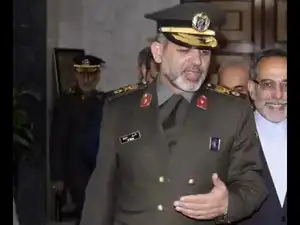
Ahmad Vahidi
As diplomatic efforts stall and Iran refuses so far to enter the second round of negotiations, attention is increasingly turning to the internal figures shaping Iran’s decisions. The abrupt reversal over the Strait of Hormuz and the Islamic Revolutionary Guard Corps’ (IRGC) aggressive actions point to a leadership environment dominated by ideological hardliners. Among them, Maj. Gen. Ahmad Vahidi stands out as a central figure. He is the commander-in-chief of the IRGC and was appointed on 1 March after the then chief was killed.
Vahidi's record, worldview and longstanding ties to the IRGC’s external operations can help explain why Iran is doubling down on confrontation rather than compromise. The current moment may reflect not confusion but a deliberate strategic posture rooted in the beliefs of men like Vahidi.
From Quds Force architect to IRGC commander
Vahidi’s influence stems from decades inside the upper ranks of the IRGC, including his role as a founding commander of its elite external operations wing, the Quds Force. According to a report by Fox News, Vahidi has been tied by investigators and intelligence agencies to some of the most significant overseas bombing operations attributed to Iran. According to Fox News, analysts and officials describe Vahidi as deeply connected to Iran’s global network of proxy forces and asymmetric warfare strategies. As per the report, his career reflects a consistent preference for indirect confrontation through regional actors and strategic disruption.
"By any standard, Vahidi is considered a radical even within the regime’s hardline elite, and his rise is a warning that Tehran’s war machine now calls the shots," Lisa Daftari, foreign policy analyst and journalist, told Fox News Digital. Beni Sabti, an Iran expert at Israel’s Institute for National Security Studies, said Vahidi may now be even more influential than parliamentary speaker Mohammad Bagher Ghalibaf or even Supreme Leader Ali Khamenei’s son, Mojtaba Khamenei. "In my view, he is more dominant right now, even if they are coordinated. This is not a time for internal competition," Sabti told Fox News Digital, adding that Vahidi is the only one who meets the new supreme leader face-to-face.
Also Read | 'Ready to go military': Trump rules out extending Iran ceasefire, says US in strong negotiating position
As the commander of the Quds Force from 1988 to 1998, he has been connected to the 1983 Beirut barracks bombing that killed 241 U.S. service members, the 1996 Khobar Towers attack in Saudi Arabia, and a 2008 attack on the U.S. Embassy in Yemen, as per the report. Vahidi is under multiple layers of sanctions by both the United States and the European Union. The sanctions significantly restrict his ability to travel, move money or do business internationally.
Experts say Vahidi is not merely another hardliner, but one of the most extreme figures even within Iran’s already radical ruling elite. Sabti is warning that Vahidi’s growing influence could make Tehran less likely to agree to a genuine ceasefire. "He brings even more radicalization into the system and may not want to stop the war, because it serves the interests of the Revolutionary Guards to continue," Sabti told Fox News Digital. One of the biggest concerns surrounding Vahidi is that even if Iran agrees to a ceasefire, he may see it only as an opportunity to regroup.
The rise of the hardliners
Washington-based think tank The Institute for the Study of War, as cited in a recent New York Post report, assesses that hardline figures are likely dominating Iran’s decision-making apparatus during the crisis, shaping responses across both military and diplomatic fronts. It identifies Vahidi as the key figure.
Vahidi and members of his inner circle have allegedly taken charge of the Islamic Republic, as evident by Iran’s attacks on ships trying to sail through the Strait of Hormuz and Tehran’s refusal to join peace talks with the US this week, as per the ISW. The sudden hardline shift also shows that more moderate members of Iran’s leadership, including Foreign Affairs Minister Abbas Araghchi, have been sidelined.
Also Read | Trump accuses Iran of violating ceasefire 'numerous times'
Araghchi had initially agreed to open the Strait of Hormuz over the weekend after reaching a consensus with the Trump administration, but the IRGC demanded it remain shut in the face of the American blockade on Iranian ports. Vahidi reportedly received the backing of Mohammad Bagher Zolghadr, Iran’s Supreme National Security Council secretary and an IRGC veteran, to control the strait — further cementing Vahidi’s grip on Iran, as per the ISW analysis.
The Post report says that Vahidi and Zolghadr’s alliance goes beyond the military blockade, with the IRGC commander tapping his ally to join the Iranian delegation earlier this month. Zolghadr was specifically sent to make sure the delegation was following the IRGC’s commands and those of Iranian Supreme Leader Mojtaba Khamenei, who ascended to replace his father at the insistence of the Islamic Guard. “Zolghadr sent a complaint to senior IRGC leaders, almost certainly including Vahidi, that Araghchi had surpassed his mandate during the negotiations by expressing flexibility regarding Iran’s support for the Axis of Resistance,” the ISW said of the initial peace talks.
“Zolghadr’s anger caused senior leaders in Tehran, including former IRGC Intelligence Organization Chief and long-time member of Mojtaba’s inner circle, Hossein Taeb, to call the negotiating delegation back to Tehran,” the think tank added. Vahidi’s alliance has ultimately made him the top decision-maker in Iran apart from Khamenei, who has yet to make a public appearance since he was injured during the initial US-Israeli airstrikes that killed his father and other top officials.
This puts Vahidi and the IRGC above Araghchi and Iranian Parliament leader Mohammad Bagher Ghalibaf, who, despite their anti-American rhetoric, are considered moderates. The state of affairs undermines Araghchi and Ghalibaf’s negotiations with the US as they lack “leverage or formal executive authority to shape decision-making,” the ISW notes.
Why Vahidi’s influence matters now
The timing of Vahidi’s prominence is critical. As US officials prepare for potential talks in Pakistan, Iran’s absence from the table underlines the gap between diplomatic expectations and Iran’s internal realities. Vahidi may represent more than just a single decision-maker. He may be leading a faction within Iran’s leadership that views the current conflict as an opportunity to assert strength rather than seek resolution. His influence helps explain why Iran appears willing to absorb economic and political costs in exchange for maintaining its ideological stance.
(You can now subscribe to our Economic Times WhatsApp channel)
Vahidi's record, worldview and longstanding ties to the IRGC’s external operations can help explain why Iran is doubling down on confrontation rather than compromise. The current moment may reflect not confusion but a deliberate strategic posture rooted in the beliefs of men like Vahidi.
From Quds Force architect to IRGC commander
Vahidi’s influence stems from decades inside the upper ranks of the IRGC, including his role as a founding commander of its elite external operations wing, the Quds Force. According to a report by Fox News, Vahidi has been tied by investigators and intelligence agencies to some of the most significant overseas bombing operations attributed to Iran. According to Fox News, analysts and officials describe Vahidi as deeply connected to Iran’s global network of proxy forces and asymmetric warfare strategies. As per the report, his career reflects a consistent preference for indirect confrontation through regional actors and strategic disruption.
"By any standard, Vahidi is considered a radical even within the regime’s hardline elite, and his rise is a warning that Tehran’s war machine now calls the shots," Lisa Daftari, foreign policy analyst and journalist, told Fox News Digital. Beni Sabti, an Iran expert at Israel’s Institute for National Security Studies, said Vahidi may now be even more influential than parliamentary speaker Mohammad Bagher Ghalibaf or even Supreme Leader Ali Khamenei’s son, Mojtaba Khamenei. "In my view, he is more dominant right now, even if they are coordinated. This is not a time for internal competition," Sabti told Fox News Digital, adding that Vahidi is the only one who meets the new supreme leader face-to-face.

Also Read | 'Ready to go military': Trump rules out extending Iran ceasefire, says US in strong negotiating position
As the commander of the Quds Force from 1988 to 1998, he has been connected to the 1983 Beirut barracks bombing that killed 241 U.S. service members, the 1996 Khobar Towers attack in Saudi Arabia, and a 2008 attack on the U.S. Embassy in Yemen, as per the report. Vahidi is under multiple layers of sanctions by both the United States and the European Union. The sanctions significantly restrict his ability to travel, move money or do business internationally.
Experts say Vahidi is not merely another hardliner, but one of the most extreme figures even within Iran’s already radical ruling elite. Sabti is warning that Vahidi’s growing influence could make Tehran less likely to agree to a genuine ceasefire. "He brings even more radicalization into the system and may not want to stop the war, because it serves the interests of the Revolutionary Guards to continue," Sabti told Fox News Digital. One of the biggest concerns surrounding Vahidi is that even if Iran agrees to a ceasefire, he may see it only as an opportunity to regroup.
The rise of the hardliners
Washington-based think tank The Institute for the Study of War, as cited in a recent New York Post report, assesses that hardline figures are likely dominating Iran’s decision-making apparatus during the crisis, shaping responses across both military and diplomatic fronts. It identifies Vahidi as the key figure.
Vahidi and members of his inner circle have allegedly taken charge of the Islamic Republic, as evident by Iran’s attacks on ships trying to sail through the Strait of Hormuz and Tehran’s refusal to join peace talks with the US this week, as per the ISW. The sudden hardline shift also shows that more moderate members of Iran’s leadership, including Foreign Affairs Minister Abbas Araghchi, have been sidelined.
Also Read | Trump accuses Iran of violating ceasefire 'numerous times'
Araghchi had initially agreed to open the Strait of Hormuz over the weekend after reaching a consensus with the Trump administration, but the IRGC demanded it remain shut in the face of the American blockade on Iranian ports. Vahidi reportedly received the backing of Mohammad Bagher Zolghadr, Iran’s Supreme National Security Council secretary and an IRGC veteran, to control the strait — further cementing Vahidi’s grip on Iran, as per the ISW analysis.
The Post report says that Vahidi and Zolghadr’s alliance goes beyond the military blockade, with the IRGC commander tapping his ally to join the Iranian delegation earlier this month. Zolghadr was specifically sent to make sure the delegation was following the IRGC’s commands and those of Iranian Supreme Leader Mojtaba Khamenei, who ascended to replace his father at the insistence of the Islamic Guard. “Zolghadr sent a complaint to senior IRGC leaders, almost certainly including Vahidi, that Araghchi had surpassed his mandate during the negotiations by expressing flexibility regarding Iran’s support for the Axis of Resistance,” the ISW said of the initial peace talks.
“Zolghadr’s anger caused senior leaders in Tehran, including former IRGC Intelligence Organization Chief and long-time member of Mojtaba’s inner circle, Hossein Taeb, to call the negotiating delegation back to Tehran,” the think tank added. Vahidi’s alliance has ultimately made him the top decision-maker in Iran apart from Khamenei, who has yet to make a public appearance since he was injured during the initial US-Israeli airstrikes that killed his father and other top officials.
This puts Vahidi and the IRGC above Araghchi and Iranian Parliament leader Mohammad Bagher Ghalibaf, who, despite their anti-American rhetoric, are considered moderates. The state of affairs undermines Araghchi and Ghalibaf’s negotiations with the US as they lack “leverage or formal executive authority to shape decision-making,” the ISW notes.
Why Vahidi’s influence matters now
The timing of Vahidi’s prominence is critical. As US officials prepare for potential talks in Pakistan, Iran’s absence from the table underlines the gap between diplomatic expectations and Iran’s internal realities. Vahidi may represent more than just a single decision-maker. He may be leading a faction within Iran’s leadership that views the current conflict as an opportunity to assert strength rather than seek resolution. His influence helps explain why Iran appears willing to absorb economic and political costs in exchange for maintaining its ideological stance.
Add  as a Reliable and Trusted News Source
as a Reliable and Trusted News Source Add Now!
(You can now subscribe to our Economic Times WhatsApp channel)












 ETPrime Membership