


Listen to this article in summarized format
×
Subscribe to

Unlock AI Briefing and Premium Content
New Year Offer 24 Hours Left
Subscribe NowAlready a member? Sign In
What's Included
- Exclusive Stories
- Daily ePaper Access
- Smart Market Tools
- Curated Investment Ideas
- Ad-lite Experience
Subscription

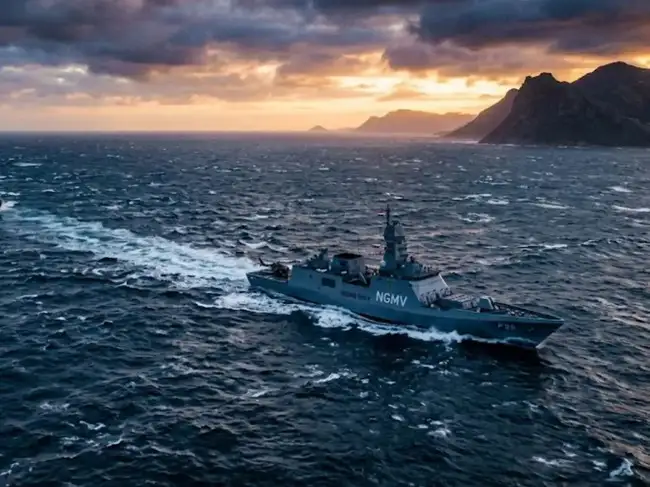
Norwegian firm Kongsberg Maritime has secured a key contract to supply 18 advanced Kamewa waterjet propulsion systems for the Indian navy’s next generation missile vessel programme, marking its largest single waterjet order to date, reports TOI.
The contract, awarded in collaboration with Cochin Shipyard Ltd, supports the Indian navy’s Rs 9,805 crore next generation missile vessel programme. The initiative aims to induct six advanced, high speed stealth corvettes designed primarily for anti surface warfare and enhanced sea denial capability.
Also Read: US Navy starts Hormuz blockade: This 9,000-tonne destroyers with Tomahawk has been deployed to stop the sea traffic, check features
The systems also reduce vessel draft, making them ideal for operations in shallow waters, while improving survivability by eliminating exposed propellers.
In addition, waterjets significantly cut vibration and noise levels, with reductions of over 50 percent at speeds above 20 knots. This enhances operational stealth and onboard comfort.
Advanced control systems further enable precise manoeuvring, allowing vessels to berth quickly and accurately even in constrained conditions.
A company spokesperson said the collaboration reflects mutual confidence and expressed expectations of high quality delivery aligned with the navy’s stringent standards.
Kongsberg Maritime described the contract as a milestone, signalling a strong return to large scale waterjet manufacturing after a relatively quiet decade.
Anders Valkeinen, vice president for high speed craft at the company, said the project underscores confidence in its technology for demanding naval applications and will deliver the speed, agility and reliability required for next generation missile vessels, TOI reported.
(You can now subscribe to our Economic Times WhatsApp channel)
The contract, awarded in collaboration with Cochin Shipyard Ltd, supports the Indian navy’s Rs 9,805 crore next generation missile vessel programme. The initiative aims to induct six advanced, high speed stealth corvettes designed primarily for anti surface warfare and enhanced sea denial capability.
Indian Navy’s NGMV project
These vessels will serve as primary strike platforms, equipped with eight BrahMos missiles, 24 VL-SRAM missiles and advanced surveillance systems to strengthen operational effectiveness in contested maritime environments.Also Read: US Navy starts Hormuz blockade: This 9,000-tonne destroyers with Tomahawk has been deployed to stop the sea traffic, check features

Why does waterjet propulsion matter?
Unlike conventional propellers, waterjet propulsion systems draw in water, accelerate it and eject it at high speed. This enables superior stealth, high speed performance and rapid acceleration, along with exceptional manoeuvrability.The systems also reduce vessel draft, making them ideal for operations in shallow waters, while improving survivability by eliminating exposed propellers.
Performance and operational advantages
Waterjets offer higher efficiency, allowing vessels to achieve greater speeds for the same power or reduce fuel consumption at constant speeds. They also place less strain on engines, as power absorption remains stable across varying speeds, extending engine life. Kongsberg Maritime manufactures water propulsions made of two different types of materials such as steel and aluminium.In addition, waterjets significantly cut vibration and noise levels, with reductions of over 50 percent at speeds above 20 knots. This enhances operational stealth and onboard comfort.
Advanced control systems further enable precise manoeuvring, allowing vessels to berth quickly and accurately even in constrained conditions.
Industry collaboration and response
Cochin Shipyard Ltd highlighted its ongoing partnership with Kongsberg Maritime, noting a history of strong technical cooperation and reliability across projects.A company spokesperson said the collaboration reflects mutual confidence and expressed expectations of high quality delivery aligned with the navy’s stringent standards.
Kongsberg Maritime described the contract as a milestone, signalling a strong return to large scale waterjet manufacturing after a relatively quiet decade.
Anders Valkeinen, vice president for high speed craft at the company, said the project underscores confidence in its technology for demanding naval applications and will deliver the speed, agility and reliability required for next generation missile vessels, TOI reported.
Add  as a Reliable and Trusted News Source
as a Reliable and Trusted News Source Add Now!
(You can now subscribe to our Economic Times WhatsApp channel)
( Originally published on Apr 14, 2026 )












 ETPrime Membership