

Listen to this article in summarized format
×
Subscribe to

Unlock AI Briefing and Premium Content
New Year Offer 24 Hours Left
Subscribe NowAlready a member? Sign In
What's Included
- Exclusive Stories
- Daily ePaper Access
- Smart Market Tools
- Curated Investment Ideas
- Ad-lite Experience
Subscription

 Getty Images
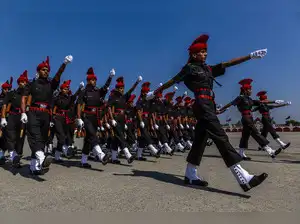
The Indian Army has introduced a comprehensive new dress code manual, "Army Uniforms-2026," bringing significant changes to military attire, grooming standards, and ceremonial practices. As reported by The Hindustan Times, the updated 174-page document replaces the previous regulations issued eight years ago and forms part of the Army's broader effort to align traditions with modern Indian values while retaining its professional identity.
The revised guidelines introduce a new winter uniform, authorize bandi jackets for formal occasions, relax certain ceremonial requirements, and lay down detailed rules on tattoos, grooming, cosmetics, and personal appearance.
New Winter Uniform Introduced for All Ranks
One of the key additions in the new regulations is Winter Dress No. 3B, which will be worn by personnel across ranks. The uniform consists of an angola shirt, a battle jacket, and a beret, providing a standardized winter outfit for Army personnel.
Officers Can Now Wear Bandi Jackets at Formal Events
For the first time, officers have been permitted to wear closed-neck bandi jackets as part of the formal dress code. The jacket can be worn over a full-sleeved shirt and paired with matching formal trousers and closed footwear.
The Army has specified that the jacket must be in a solid, sober colour and may be worn with or without a neck-hook fastening. The move is seen as part of efforts to incorporate more Indian elements into official military attire.
Women Officers Get More Formal Dress Options
The new regulations expand formal clothing choices for women officers. They may now wear sarees or kurta-salwar outfits with ankle-length straight trousers and a dupatta during authorized occasions.
However, the manual prohibits sleeveless kurtas as well as casual lower garments such as palazzos and cigarette pants, maintaining a formal and uniform appearance.
Ceremonial Dress Rules Revised
The Army has removed the traditional pouch belt from Mess Dress No. 5 and No. 6, although it can still be used during specific regimental and corps functions. The change affects uniforms typically worn during state ceremonies, official receptions, dining-in events, and functions involving visiting foreign dignitaries.
In another notable change, reviewing officers on parade will no longer be required to carry swords, making their use optional depending on the occasion.
Colonial-Era Terms and Practices Dropped
The Army has also revised several traditional references and ceremonial practices rooted in the colonial era. Certain outdated terms, including "royal," have been removed from official dress regulations.
According to Army officials, the objective is to modernize the force's appearance while reflecting India's sovereign identity and contemporary ethos.
Tattoos, Piercings and Religious Symbols Remain Restricted
The updated manual continues the Army's strict policy on tattoos and body piercings. Personnel are generally prohibited from displaying tattoos or wearing body piercings while in service. Visible religious symbols and markings are also restricted, although specific exemptions remain in place for Sikh soldiers in accordance with established military traditions.
The regulations further prohibit bracelets while in uniform, except for a single sacred thread worn temporarily during religious ceremonies.
Grooming Standards Tightened
The Army has also outlined detailed grooming requirements. Moustaches are permitted but cannot exceed a length of 12 centimetres. Personnel are not allowed to use perfumes or deodorants while in uniform, although aftershave lotions remain permissible.
New Rules for Cosmetics
Women personnel will be required to follow strict appearance guidelines. Lipstick, coloured nail polish, bindis, and nose pins are not permitted while in uniform. Sindoor may be worn, but it should not be visible when headgear such as a beret or peak cap is in place.
(You can now subscribe to our Economic Times WhatsApp channel)
The revised guidelines introduce a new winter uniform, authorize bandi jackets for formal occasions, relax certain ceremonial requirements, and lay down detailed rules on tattoos, grooming, cosmetics, and personal appearance.
New Winter Uniform Introduced for All Ranks
One of the key additions in the new regulations is Winter Dress No. 3B, which will be worn by personnel across ranks. The uniform consists of an angola shirt, a battle jacket, and a beret, providing a standardized winter outfit for Army personnel.
Officers Can Now Wear Bandi Jackets at Formal Events
For the first time, officers have been permitted to wear closed-neck bandi jackets as part of the formal dress code. The jacket can be worn over a full-sleeved shirt and paired with matching formal trousers and closed footwear.
The Army has specified that the jacket must be in a solid, sober colour and may be worn with or without a neck-hook fastening. The move is seen as part of efforts to incorporate more Indian elements into official military attire.

Women Officers Get More Formal Dress Options
The new regulations expand formal clothing choices for women officers. They may now wear sarees or kurta-salwar outfits with ankle-length straight trousers and a dupatta during authorized occasions.
However, the manual prohibits sleeveless kurtas as well as casual lower garments such as palazzos and cigarette pants, maintaining a formal and uniform appearance.
Ceremonial Dress Rules Revised
The Army has removed the traditional pouch belt from Mess Dress No. 5 and No. 6, although it can still be used during specific regimental and corps functions. The change affects uniforms typically worn during state ceremonies, official receptions, dining-in events, and functions involving visiting foreign dignitaries.
In another notable change, reviewing officers on parade will no longer be required to carry swords, making their use optional depending on the occasion.
Colonial-Era Terms and Practices Dropped
The Army has also revised several traditional references and ceremonial practices rooted in the colonial era. Certain outdated terms, including "royal," have been removed from official dress regulations.
According to Army officials, the objective is to modernize the force's appearance while reflecting India's sovereign identity and contemporary ethos.
Tattoos, Piercings and Religious Symbols Remain Restricted
The updated manual continues the Army's strict policy on tattoos and body piercings. Personnel are generally prohibited from displaying tattoos or wearing body piercings while in service. Visible religious symbols and markings are also restricted, although specific exemptions remain in place for Sikh soldiers in accordance with established military traditions.
The regulations further prohibit bracelets while in uniform, except for a single sacred thread worn temporarily during religious ceremonies.
Grooming Standards Tightened
The Army has also outlined detailed grooming requirements. Moustaches are permitted but cannot exceed a length of 12 centimetres. Personnel are not allowed to use perfumes or deodorants while in uniform, although aftershave lotions remain permissible.
New Rules for Cosmetics
Women personnel will be required to follow strict appearance guidelines. Lipstick, coloured nail polish, bindis, and nose pins are not permitted while in uniform. Sindoor may be worn, but it should not be visible when headgear such as a beret or peak cap is in place.
Add  as a Reliable and Trusted News Source
as a Reliable and Trusted News Source Add Now!
(You can now subscribe to our Economic Times WhatsApp channel)











 ETPrime Membership