

Listen to this article in summarized format
×
Subscribe to

Unlock AI Briefing and Premium Content
New Year Offer 24 Hours Left
Subscribe NowAlready a member? Sign In
What's Included
- Exclusive Stories
- Daily ePaper Access
- Smart Market Tools
- Curated Investment Ideas
- Ad-lite Experience
Subscription

 iStock
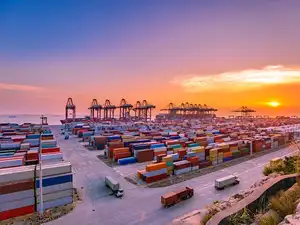
India has extended a six-month relaxation to foreign flagged vessels moving cargo on its coastline amid West Asia shipping crunch. Officials said the lax cabotage rules are valid till October 25, 2026, following which a review of the situation will be taken.
A suggestion in this regard was put forth at a meeting called by the Directorate General (DG) of Shipping and attended by senior government officials last month. ET reported on March 7 of this being deliberated with authorities bracing for a potential shortage of ships and containers amid rising freight costs due to the simmering conflict in West Asia.
You may follow our coverage of the West Asia war here
DG Shipping scrapped the partial easing of cabotage rules in January this year. These relaxations - introduced in 2018 - had allowed foreign-flagged ships to move export-import (Exim) cargo between Indian ports without the need for any specific licence.
“Cabotage relaxation has been given for six months following industry demand,” a senior official told ET, adding the ministry of ports, shipping, and waterways has issued directives to DG Shipping for ensuring the same.
The centre has assessed there may be a shortage of containers and vessels for domestic cargo in April if the West Asia crisis persisted, “Easing cabotage rules was discussed as a possible temporary solution to mitigate the crisis,” a person who attended the early March meeting between government and industry had said.
Tensions in West Asia escalated after a joint Israel-US air strike killed Iran’s Supreme Leader Ayatollah Ali Khamenei, prompting retaliatory attacks by Iran that have brought ship movement in the Persian Gulf to a standstill.
It is estimated there are around 70,400 TEUs (20-foot equivalents) of containers stranded across the country due to this crisis. According to official estimates, roughly half of these are at Gujarat’s Adani Mundra and APM Terminals Pipavav.
In March last week, Adani Port issued a trade notice offering the waivers is for “Middle-East bound export laden containers which were lying inside the terminal from February 28, 2026 or those gated in till 7 AM on March 8, 2026.”
Sector watchers say APM Terminals Pipavav already offers a similar 15-day concession to transhipment containers as a routine offering. Major ports (central government controlled) started offering concessions to stranded West Asia bound cargo from February-end in a bid to ease concerns of exporters.
(You can now subscribe to our Economic Times WhatsApp channel)
A suggestion in this regard was put forth at a meeting called by the Directorate General (DG) of Shipping and attended by senior government officials last month. ET reported on March 7 of this being deliberated with authorities bracing for a potential shortage of ships and containers amid rising freight costs due to the simmering conflict in West Asia.
You may follow our coverage of the West Asia war here
DG Shipping scrapped the partial easing of cabotage rules in January this year. These relaxations - introduced in 2018 - had allowed foreign-flagged ships to move export-import (Exim) cargo between Indian ports without the need for any specific licence.
“Cabotage relaxation has been given for six months following industry demand,” a senior official told ET, adding the ministry of ports, shipping, and waterways has issued directives to DG Shipping for ensuring the same.

The centre has assessed there may be a shortage of containers and vessels for domestic cargo in April if the West Asia crisis persisted, “Easing cabotage rules was discussed as a possible temporary solution to mitigate the crisis,” a person who attended the early March meeting between government and industry had said.
Tensions in West Asia escalated after a joint Israel-US air strike killed Iran’s Supreme Leader Ayatollah Ali Khamenei, prompting retaliatory attacks by Iran that have brought ship movement in the Persian Gulf to a standstill.
It is estimated there are around 70,400 TEUs (20-foot equivalents) of containers stranded across the country due to this crisis. According to official estimates, roughly half of these are at Gujarat’s Adani Mundra and APM Terminals Pipavav.
In March last week, Adani Port issued a trade notice offering the waivers is for “Middle-East bound export laden containers which were lying inside the terminal from February 28, 2026 or those gated in till 7 AM on March 8, 2026.”
Sector watchers say APM Terminals Pipavav already offers a similar 15-day concession to transhipment containers as a routine offering. Major ports (central government controlled) started offering concessions to stranded West Asia bound cargo from February-end in a bid to ease concerns of exporters.
Add  as a Reliable and Trusted News Source
as a Reliable and Trusted News Source Add Now!
(You can now subscribe to our Economic Times WhatsApp channel)
(Catch all the Business News, Breaking News and Latest News Updates on The Economic Times.)
Subscribe to The Economic Times Prime and read the ET ePaper online.
Read More News on
(Catch all the Business News, Breaking News and Latest News Updates on The Economic Times.)
Subscribe to The Economic Times Prime and read the ET ePaper online.






 ETPrime Membership