Listen to this article in summarized format
×
Subscribe to

Unlock AI Briefing and Premium Content
New Year Offer 24 Hours Left
Subscribe NowAlready a member? Sign In
What's Included
- Exclusive Stories
- Daily ePaper Access
- Smart Market Tools
- Curated Investment Ideas
- Ad-lite Experience
Subscription

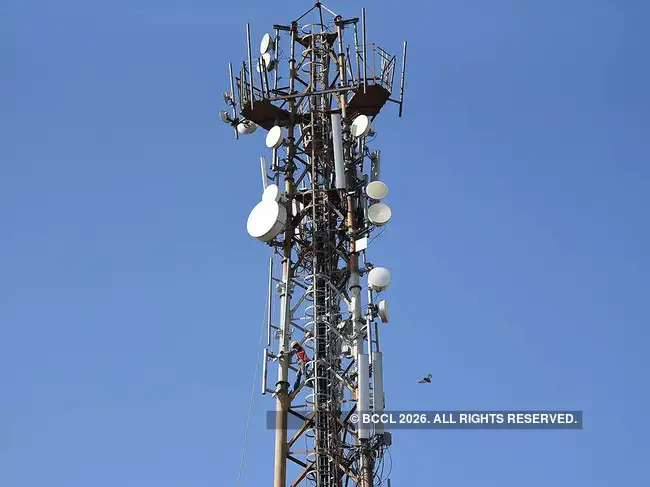
Mumbai | New Delhi: Telecommunication infrastructure providers and equipment makers have flagged disruptions to telecom tower connectivity in India due to the ongoing war in West Asia while freight route blockades have led to an increase in transportation logistics and insurance costs for telecom equipment being imported to the country.
In representations to the department of telecommunications and state governments, the digital infrastructure providers association (DIPA), which represents Bharti Airtel, Reliance Jio, Vodafone Idea and BSNL, said field personnel are being denied the purchase of diesel in drums at petrol pumps. This is due to restrictions aimed at preventing fuel hoarding by the public, but the industry argued that telecom towers are classified as essential infrastructure. Several districts in states such as Uttar Pradesh, Maharashtra and Madhya Pradesh have restricted the sale of diesel in containers. According to DIPA, this has led several fuel stations to stop supplying diesel to telecom field teams, disrupting routine refuelling operations. In Maharashtra, the restrictions are already affecting network continuity.
Also Read: Google secures discom licence for Vizag data centre hub
In addition, several states are facing power outages for four-six hours a day which has increased dependence on diesel generators (DGs) for power backup.
"Telecom networks depend critically on uninterrupted power supply, especially in rural and remote areas where the grid power supply is erratic," the industry body said, adding that diesel is required "on a routine basis to run DG sets at mobile tower sites to ensure continuous, round-the-clock availability of telecom networks".
Separately, supply chain disruptions are emerging in telecom tower manufacturing due to curbs on liquefied petroleum gas (LPG) and liquefied natural gas. DIPA said the stoppage of LPG supplies to galvanisation units-critical for tower manufacturing-could delay network expansion and infrastructure rollout.
The ongoing conflict has also created logistical and financial hurdles for telecom equipment makers. The telecom equipment manufacturer's association (TEMA), which represents manufacturers including Ericsson and Nokia, said there have been severe delivery delays to telecom operators deploying network equipment. Component shipments which previously took a week are now taking up to a month to arrive, said a TEMA spokesperson.
Also Read: Broadcast ecosystem may be headed for regulatory reset
"Logistics have become a major problem with ships being forced to take much longer, rerouted paths, which has significantly increased delivery times," he added.
Commtel Networks, which provides telecom networks to critical infrastructure sectors, said it expects a halt on new capital expenditure and requests for quotations in West Asia.
(You can now subscribe to our Economic Times WhatsApp channel)
In representations to the department of telecommunications and state governments, the digital infrastructure providers association (DIPA), which represents Bharti Airtel, Reliance Jio, Vodafone Idea and BSNL, said field personnel are being denied the purchase of diesel in drums at petrol pumps. This is due to restrictions aimed at preventing fuel hoarding by the public, but the industry argued that telecom towers are classified as essential infrastructure. Several districts in states such as Uttar Pradesh, Maharashtra and Madhya Pradesh have restricted the sale of diesel in containers. According to DIPA, this has led several fuel stations to stop supplying diesel to telecom field teams, disrupting routine refuelling operations. In Maharashtra, the restrictions are already affecting network continuity.
Also Read: Google secures discom licence for Vizag data centre hub
In addition, several states are facing power outages for four-six hours a day which has increased dependence on diesel generators (DGs) for power backup.
"Telecom networks depend critically on uninterrupted power supply, especially in rural and remote areas where the grid power supply is erratic," the industry body said, adding that diesel is required "on a routine basis to run DG sets at mobile tower sites to ensure continuous, round-the-clock availability of telecom networks".

Separately, supply chain disruptions are emerging in telecom tower manufacturing due to curbs on liquefied petroleum gas (LPG) and liquefied natural gas. DIPA said the stoppage of LPG supplies to galvanisation units-critical for tower manufacturing-could delay network expansion and infrastructure rollout.
The ongoing conflict has also created logistical and financial hurdles for telecom equipment makers. The telecom equipment manufacturer's association (TEMA), which represents manufacturers including Ericsson and Nokia, said there have been severe delivery delays to telecom operators deploying network equipment. Component shipments which previously took a week are now taking up to a month to arrive, said a TEMA spokesperson.
Also Read: Broadcast ecosystem may be headed for regulatory reset
"Logistics have become a major problem with ships being forced to take much longer, rerouted paths, which has significantly increased delivery times," he added.
Commtel Networks, which provides telecom networks to critical infrastructure sectors, said it expects a halt on new capital expenditure and requests for quotations in West Asia.
Add  as a Reliable and Trusted News Source
as a Reliable and Trusted News Source Add Now!
(You can now subscribe to our Economic Times WhatsApp channel)
(Catch all the Business News, Breaking News and Latest News Updates on The Economic Times.)
Subscribe to The Economic Times Prime and read the ET ePaper online.
Read More News on
(Catch all the Business News, Breaking News and Latest News Updates on The Economic Times.)
Subscribe to The Economic Times Prime and read the ET ePaper online.






 ETPrime Membership