Listen to this article in summarized format
×
Subscribe to

Unlock AI Briefing and Premium Content
New Year Offer 24 Hours Left
Subscribe NowAlready a member? Sign In
What's Included
- Exclusive Stories
- Daily ePaper Access
- Smart Market Tools
- Curated Investment Ideas
- Ad-lite Experience
Subscription

US Midterms are getting nasty: Why are candidates borrowing Donald Trump’s name-calling playbook
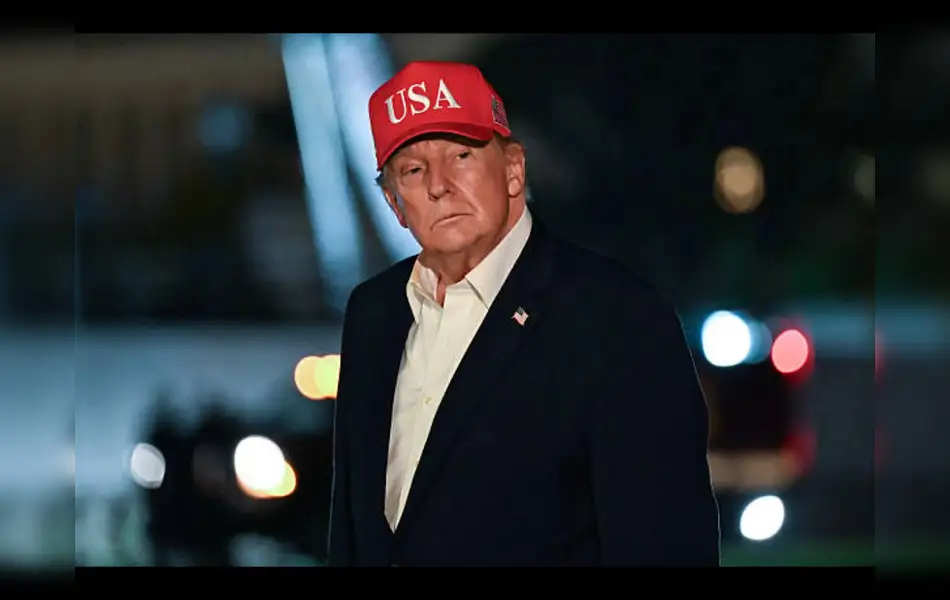
A nickname can travel further than a policy speech, and candidates in the US Midterms are putting that idea to work. Democrats and Republicans are trading insults in Senate races, sometimes turning debates into arguments about character rather than legislation. Donald Trump helped popularize a defining feature of modern campaigning. His rivals are using similar tactics. According to a report by USA Today, candidates want to look combative and make their opponents easier to dismiss. Whether voters see strength or childishness is another matter.
Strategist Alex Conant, who worked on Marco Rubio's 2016 presidential campaign, told USA Today that branding an opponent offers an advantage when voters face overwhelming information.
University of Houston political scientist Brandon Rottinghaus described insults as a way to condense an argument into a few memorable words. The appeal is obvious. Explaining a voting record takes time. A nickname needs seconds.
Collins' attack targeted Ossoff's family wealth. Ossoff's criticism concerned reported connections between people around Collins and white supremacist content. Collins said he condemns racism and antisemitism.
Michigan's debate brought another exchange. Democrat Abdul El-Sayed called Republican Mike Rogers a Trump “sock puppet.” Rogers described El-Sayed as a “con man” and a “glitchy AI chatbot.”
The labels offered competing portraits of the candidates. They were campaign attacks, rather than established findings.
The lesson for other candidates was that repetition could make a label difficult to escape.
Texas Democrat James Talarico has taken another approach. His campaign embraced the Republican nickname “Talafreako” and sold shirts carrying it.
Rather than denying the insult, he turned it into campaign merchandise. The response shows how an attack can become material for the person targeted.
They can make an attack memorable and shape impressions quickly.
Do insults guarantee electoral success?
No. Attention does not necessarily translate into votes, and aggressive exchanges can alienate voters.
Why are insults spreading in the US Midterms?
Campaigns are competing for attention in a crowded news cycle. A memorable attack can give voters an impression of an opponent before an argument reaches them.Strategist Alex Conant, who worked on Marco Rubio's 2016 presidential campaign, told USA Today that branding an opponent offers an advantage when voters face overwhelming information.
University of Houston political scientist Brandon Rottinghaus described insults as a way to condense an argument into a few memorable words. The appeal is obvious. Explaining a voting record takes time. A nickname needs seconds.
What happened in Georgia and Michigan?
During Georgia's October 8 Senate debate, Republican Mike Collins called Democratic Senator Jon Ossoff a “trust-fund kid.” Ossoff called Collins a “bigot,” according to USA TODAY.
Collins' attack targeted Ossoff's family wealth. Ossoff's criticism concerned reported connections between people around Collins and white supremacist content. Collins said he condemns racism and antisemitism.
Michigan's debate brought another exchange. Democrat Abdul El-Sayed called Republican Mike Rogers a Trump “sock puppet.” Rogers described El-Sayed as a “con man” and a “glitchy AI chatbot.”
The labels offered competing portraits of the candidates. They were campaign attacks, rather than established findings.
Did Donald Trump invent political name-calling?
No. Personal attacks existed long before Trump's campaigns. His 2016 nicknames nevertheless demonstrated how an insult could reinforce an argument. Calling Jeb Bush “Low Energy” questioned his campaigning strength. “Little Marco” sought to diminish Rubio's stature.The lesson for other candidates was that repetition could make a label difficult to escape.
Can campaign insults backfire?
Democratic strategist Caitlin Legacki told USA TODAY that combative exchanges can appear spontaneous and authentic. She also warned they can feel forced or alienate voters.Texas Democrat James Talarico has taken another approach. His campaign embraced the Republican nickname “Talafreako” and sold shirts carrying it.
Rather than denying the insult, he turned it into campaign merchandise. The response shows how an attack can become material for the person targeted.
FAQs
Why do candidates use nicknames?They can make an attack memorable and shape impressions quickly.
Do insults guarantee electoral success?
No. Attention does not necessarily translate into votes, and aggressive exchanges can alienate voters.
Add  as a Reliable and Trusted News Source
 Add Now!