 Reuters
How to vote in the 2026 US Midterm Elections: Where to go, when to cast your ballot and what to bring
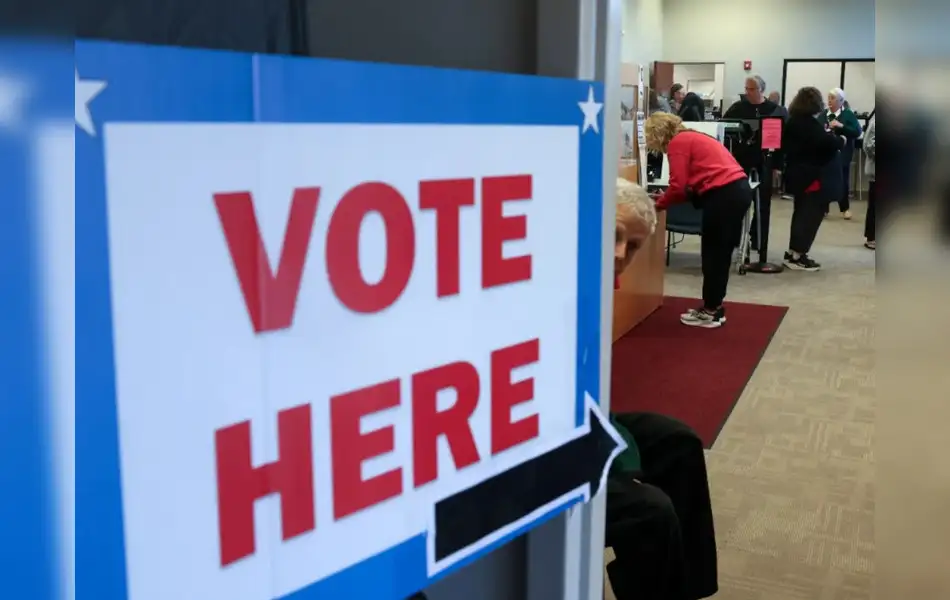
Folks in the U.S., get ready, it's time to finally vote and make your voices heard with each vote you cast tomorrow. The 2026 US midterms are on Tuesday 3rd November. Voters will be heading to the polls across the country to elect their representatives to Congress and a host of state and local offices.
There are a number of ways in which you can cast your vote (early in person, by post, at the polling station on election day) but the rules are not the same in every place. Here's what voters need to know about registration, polling places, voter ID and the various ways in which you can vote. The information is taken from USA.gov.
If you're voting in person, then check the ID rules before you leave the house. Voter ID requirements vary from state to state so the form of ID acceptable in one state may not be acceptable in another.
Some states conduct their elections entirely by mail, others have a requirement that you meet in order to be eligible for an absentee ballot. Check your state's election office for the details on how to request a ballot and the return deadline.
Voters overseas can also apply for a ballot via the available process. Federal law mandates that ballots for both military and overseas voters be dispatched at least 45 days prior to a federal election. Ballot tracking information is also available via the state election websites.
Voters should also check that they meet the eligibility requirements for federal, state and local elections as the rules around registration and ID can vary from state to state.
There are a number of ways in which you can cast your vote (early in person, by post, at the polling station on election day) but the rules are not the same in every place. Here's what voters need to know about registration, polling places, voter ID and the various ways in which you can vote. The information is taken from USA.gov.
When and where can you vote in the 2026 midterms
Election Day is 3rd November, though the actual dates you can vote will vary according to your state. Some states will allow you to vote in person prior to Election Day (early in person voting), others will have you eligible for absentee or mail in voting. To find your polling station you should check with your state or local election office. They'll have the details on where you can vote, the hours and the registration requirements.If you're voting in person, then check the ID rules before you leave the house. Voter ID requirements vary from state to state so the form of ID acceptable in one state may not be acceptable in another.


Can you vote early or by post?
Early in person voting enables eligible voters to go to an approved location and vote in person prior to November 3. The dates, opening times and locations will of course vary according to state rules. Absentee voting and vote by mail also give people an opportunity to get involved prior to Election Day. In various states voters will receive a ballot by mail and either post it back via the post office or return it to an approved drop box.Some states conduct their elections entirely by mail, others have a requirement that you meet in order to be eligible for an absentee ballot. Check your state's election office for the details on how to request a ballot and the return deadline.
Voters overseas can also apply for a ballot via the available process. Federal law mandates that ballots for both military and overseas voters be dispatched at least 45 days prior to a federal election. Ballot tracking information is also available via the state election websites.

Do you have to vote for your registered political party?
No. In a general election voters can choose any candidate that is on the ballot irrespective of their party registration. The rules can be different in the case of primaries and caucuses. Some states have rules as to which party primary a registered voter can take part in.Voters should also check that they meet the eligibility requirements for federal, state and local elections as the rules around registration and ID can vary from state to state.


Election Night: when will the results be in?
Vote counting is due to get under way on Tuesday night, though final results could take days or even weeks. It will depend on the state and how close the individual races are. As per NPR's election night guide, the first of the major polls will be closing at 7 p.m. ET, with Alaska closing last at 1 a.m. on Wednesday.Add  as a Reliable and Trusted News Source
 Add Now!