 Reuters
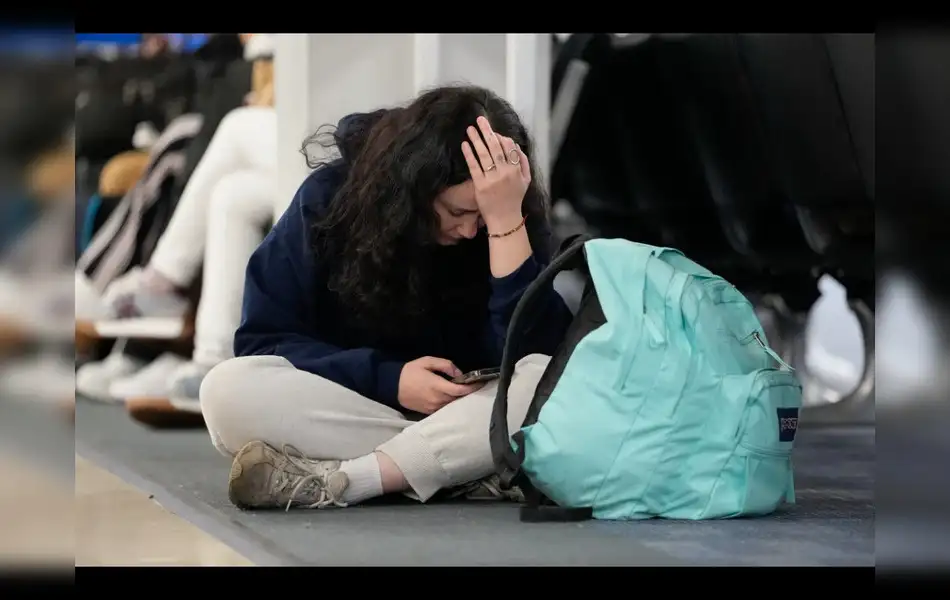
Thousands of passengers have been affected by the Federal Aviation Administration’s (FAA) rare nationwide ground stop on Friday afternoon, November 13. The FAA ground stop halted nearly all departures in what appeared to be a major outage affecting its air traffic control system.
The US Secretary of Transportation, Sean Duffy, in a social media post, blamed “a communication issue impacting all Air Route Traffic Control Centers”. Then the FAA said, “There has been a temporary telecommunications outage,” and “out of an abundance of caution,” flights have been halted. Adding that every flight has been accounted for, and international flights will be handled on a case-by-case basis.
Much is still unknown about the FAA ground stop on Friday; here’s what travelers should know about their rights regarding refunds and when a flight is canceled or delayed.
Also Read: FAA Ground Stop nationwide reason: Why are all flights across U.S grounded first time since 9/11-September 11, 2001 terrorist attacks? United Airlines, American Airlines say when will operations resume
Passengers are entitled to a “full and prompt” refund, along with “ancillary services fees” - which can include taxes, carry-on baggage fees and access to Wi-Fi, in case their flight is canceled or significantly delayed, as per federal regulations.
The DOT defines a significant change as a domestic flight departing three or more hours earlier or arriving three or more hours later than scheduled.
For international flights, the threshold is six hours.
Passengers are also eligible for refunds if the airline changes their departure or arrival airport, adds more connections, or involuntarily downgrades their class of service.
The DOT states that passengers who accept the alternative flight offered by the airline are not entitled to a refund under these rules. However, those who are involuntarily downgraded and still travel must receive a refund of the fare difference.
“Airlines are required to notify you about flight cancellations and significant delays/changes and your right to receive a refund,” the DOT says. Passengers who purchase fully refundable tickets are also entitled to a refund if they do not use them.
A passenger must follow these to be eligible for a cash refund:
“If the airline says the flight is canceled then they’re definitely entitled to a refund,” Mauer said to KQED.
However, passengers who voluntarily cancel a non-refundable ticket may lose their right to a refund if the delay does not meet federal standards. Airlines are also not required to reimburse passengers for separate expenses, such as hotel bookings or car rentals, if a disruption is beyond their control.
“When the cancellation or delay is outside the control of the airline, they’re generally not responsible for other costs to the consumer,” Mauer told KQED.
The New York Post later reported that flights of shipping companies' planes, which deliver hundreds of millions of pounds of cargo for companies like FedEx and U.P.S., have also been grounded.
The US Secretary of Transportation, Sean Duffy, in a social media post, blamed “a communication issue impacting all Air Route Traffic Control Centers”. Then the FAA said, “There has been a temporary telecommunications outage,” and “out of an abundance of caution,” flights have been halted. Adding that every flight has been accounted for, and international flights will be handled on a case-by-case basis.
Much is still unknown about the FAA ground stop on Friday; here’s what travelers should know about their rights regarding refunds and when a flight is canceled or delayed.
Also Read: FAA Ground Stop nationwide reason: Why are all flights across U.S grounded first time since 9/11-September 11, 2001 terrorist attacks? United Airlines, American Airlines say when will operations resume

FAA ground stop: refund rules for cancellations
Passengers are entitled to a “full and prompt” refund, along with “ancillary services fees” - which can include taxes, carry-on baggage fees and access to Wi-Fi, in case their flight is canceled or significantly delayed, as per federal regulations.
DOT rules for significant change for flight
The DOT defines a significant change as a domestic flight departing three or more hours earlier or arriving three or more hours later than scheduled.
For international flights, the threshold is six hours.
Passengers are also eligible for refunds if the airline changes their departure or arrival airport, adds more connections, or involuntarily downgrades their class of service.
The DOT states that passengers who accept the alternative flight offered by the airline are not entitled to a refund under these rules. However, those who are involuntarily downgraded and still travel must receive a refund of the fare difference.
“Airlines are required to notify you about flight cancellations and significant delays/changes and your right to receive a refund,” the DOT says. Passengers who purchase fully refundable tickets are also entitled to a refund if they do not use them.
So, what do you NOT need to do to get a refund?
A passenger must follow these to be eligible for a cash refund:
- Not to fly on any delayed flight;
- Reject any rebooking offer on an alternative flight for the same route from the airline;
- Not to accept any “voucher, credit, or other form of compensation” that the carrier offers which would be considered an alternative to a refund.
“If the airline says the flight is canceled then they’re definitely entitled to a refund,” Mauer said to KQED.
However, passengers who voluntarily cancel a non-refundable ticket may lose their right to a refund if the delay does not meet federal standards. Airlines are also not required to reimburse passengers for separate expenses, such as hotel bookings or car rentals, if a disruption is beyond their control.
“When the cancellation or delay is outside the control of the airline, they’re generally not responsible for other costs to the consumer,” Mauer told KQED.
The New York Post later reported that flights of shipping companies' planes, which deliver hundreds of millions of pounds of cargo for companies like FedEx and U.P.S., have also been grounded.
Add  as a Reliable and Trusted News Source
 Add Now!