
RIVER TRACER EXPERIMENT
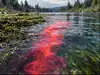
In 1991, scientists used red dye to trace weedkiller in a Washington river choked by milfoil; the study reported a 99% decline in milfoil and up to 1,000% more native plants
Researchers used a red dye to precisely track herbicide application in Washington's Pend Oreille River. This innovative method allowed for a significant reduction in herbicide dosage while achieving excellent results. Invasive Eurasian watermilfoil biomass declined dramatically, allowing native plants to recover and thrive. Native plant biomass increased substantially, and their variety more than doubled in treated areas. This successful intervention demonstrated effective ecological damage repair through careful, measured application.
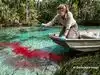
In 2015, scientists released fluorescent dye into Florida’s Silver River: Here’s what they discovered
A 2015 University of Florida experiment used five gallons of fluorescent dye to track water movement through a 5.1-mile section of Florida’s Silver River. Researchers measured travel and residence times and compared the findings with earlier tracer data to study changing flow conditions. The work also helped investigate links between river hydraulics, nutrient movement and increasing algal growth.

