
LAURENTIDE ICE SHEET

Did humans cancel the next ice age? Ancient moss reveals an ice cap growing for centuries and global warming may have reversed it, here's what scientists found
Plants uncovered by melting Arctic ice have revealed a surprising change in its history. Scientists believe that the findings could alter how we identify the beginning of an ice age.
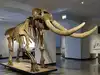
In 1798, farm workers digging mud in New York accidentally pulled out the bones of an Ice Age giant that no one had ever seen before
In 1798, farm workers unearthed giant ancient bones in New York's Hudson Valley. This discovery of a mastodon, an Ice Age mammal, captivated Charles Willson Peale. He assembled the skeleton, creating America's first mounted fossil display. This prehistoric giant proved the land's deep history, inspiring a young nation and shaping American science and museums.

A tiny lake beside Canada’s oldest ice mass creates a surreal scene from space
A striking satellite image reveals Gee Lake on Baffin Island, a remnant of the ancient Laurentide Ice Sheet. This ice cap, dating back 20,000 years, holds Earth's climatic history in its dusty layers. Once a dominant force, this ice is now shrinking due to climate change, offering a stark reminder of our planet's dynamic past and uncertain future.

