
CYANOBACTERIUM
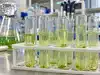
MIT scientists kept growing ocean microbes that clung to test tubes; the sticky share rose from 6% to 85%, revealing a hidden way they release carbon into water
Prochlorococcus, a small but abundant marine microbe, was thought to exist mainly as solitary cells. New research findings reveal that it can form biofilms and attach to particles. This discovery has implications for understanding the biological carbon pump in the oceans. While these microbes can switch between free-floating and attached forms, they contribute significantly to carbon transport. Scientists are further investigating the role of attached Prochlorococcus in marine ecosystems.
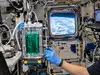
In 2025, DLR tested continuous spirulina growth on the ISS for future closed-loop life support; Limnospira indica produced oxygen and edible biomass in microgravity
In a groundbreaking experiment, scientists have successfully cultivated spirulina aboard the International Space Station, paving the way for future Mars exploration. This remarkable blue-green algae can generate oxygen and produce biomass, allowing astronauts to grow food and breathable air independently of Earth. With its high nutritional value and small ecological footprint, spirulina could revolutionize space travel and even enhance disaster relief efforts back on our planet.

