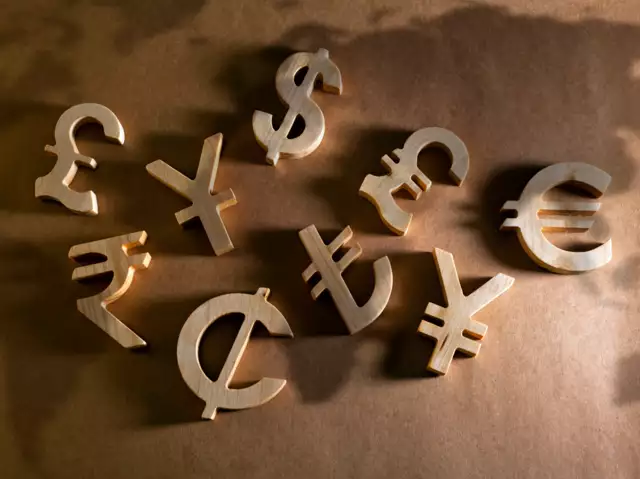



In Gita, chapter 16.1, Krishn enunciates divine qualities of a human being. Fearlessness, purity of heart, discipline, charity, honesty and steadfastness. This is perhaps the earliest and most profound articulation of what we call intangible assets today. Yet, when a financial expert calculates 'net worth', the measure is limited to net tangible assets. The richest are ranked on this formula of material assets, but it ignores a deeper dimension - intangible assets that we have nourished over the years.
Today, intangibles would include emotional equanimity, humility, reliability, empathy, credibility, fairness, fitness, goodwill and compassion. These qualities are nearly impossible to monetise. However, their impact in shaping our happiness and peace is far more than tangible wealth. We are judged by our material net worth, but how we experience life depends on intangibles or invisible strengths.
George S Clason, in, 'The Richest Man in Babylon', writes: 'Wealth, like a tree, grows from a tiny seed. The first copper you save is the seed from which your tree of wealth shall grow.' This wisdom applies equally to intangible wealth - it grows slowly through discipline and can be lost quickly if neglected. Tangible wealth can be rebuilt; inner wealth, once damaged, takes far longer to recover.
By being in a good company, learning and meditation, we strengthen these intangible assets. While pursuing financial goals, pause and audit your intangible balance sheet. If those scores are high, you may already be richer than the richest because it enriches not only the self but everyone it touches.
Add  as a Reliable and Trusted News Source
 Add Now!
(Disclaimer: The opinions expressed in this column are that of the writer. The facts and opinions expressed here do not reflect the views of www.economictimes.com.)
(Catch all the Business News, Breaking News, and Latest News Updates on The Economic Times.)
Subscribe to The Economic Times Prime and read the ET ePaper online.
Read More News on
(Catch all the Business News, Breaking News, and Latest News Updates on The Economic Times.)
Subscribe to The Economic Times Prime and read the ET ePaper online.











 ETPrime Membership