Listen to this article in summarized format
×
Subscribe to

Unlock AI Briefing and Premium Content
New Year Offer 24 Hours Left
Subscribe NowAlready a member? Sign In
What's Included
- Exclusive Stories
- Daily ePaper Access
- Smart Market Tools
- Curated Investment Ideas
- Ad-lite Experience
Subscription

 ET Bureau
Disruptions in the Hormuz and Bab el-Mandeb straits threaten India's crude oil supplies and raise shipping costs
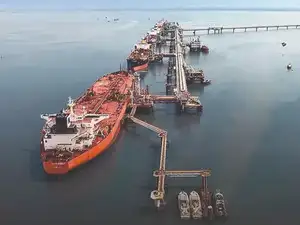
Sea lanes for shipping oil are headed for further disruption with Yemen's Houthis tightening their control over the Bab el-Mandeb Strait. Along with Iran's blockade of the Hormuz Strait, this chokes both points of access to West Asia oil supplies through the Persian Gulf and the Red Sea.
Some oil can traverse through the Suez Canal. Fully laden tankers from Saudi Arabia must unload some of their fuel into an Egyptian pipeline before they enter the canal and reload after crossing it. This works for shipments to Europe, but tankers headed for Asia must sail around Africa, a 4-wk detour.India buys around 4/5th of its oil from Russia and West Asia.
Russian shipments use the Red Sea, while Iraq, Saudi Arabia and the UAE supply India through the Persian Gulf. Iraq and the UAE can't deliver oil through the Red Sea, so India will have to pursue diplomacy with Iran to allow shipments through Hormuz. The Houthis are not stopping Russian shipments, and these could become a replacement for disrupted West Asian supply.
Also Read: BRICS+ and the fallout from Trump's energy shocks
But Donald Trump now has legislative backing for tariffs against big buyers of Russian oil, which includes India. India's refinery exports to Europe have revived since the EU banned petroleum products sourced from Russian crude. These shipments move through the Red Sea unless security issues force the detour around Africa.Disruption to maritime supply routes affects India excessively because almost all its crude imports and exports of refined petroleum use shipping.
The costs of longer routes, higher insurance and tanker turnaround delays add to the already elevated cost of crude oil. The stalemate over reopening the Hormuz Strait and escalation of conflict to the Red Sea pushes back normalisation of oil tanker traffic.
This stretches timelines for restocking oil reserves in consuming nations and destocking in producer nations. Unless reserves reach their balance, oil production will remain throttled in West Asia while Russian supply may be affected by US tariff action.
Some oil can traverse through the Suez Canal. Fully laden tankers from Saudi Arabia must unload some of their fuel into an Egyptian pipeline before they enter the canal and reload after crossing it. This works for shipments to Europe, but tankers headed for Asia must sail around Africa, a 4-wk detour.India buys around 4/5th of its oil from Russia and West Asia.
Russian shipments use the Red Sea, while Iraq, Saudi Arabia and the UAE supply India through the Persian Gulf. Iraq and the UAE can't deliver oil through the Red Sea, so India will have to pursue diplomacy with Iran to allow shipments through Hormuz. The Houthis are not stopping Russian shipments, and these could become a replacement for disrupted West Asian supply.
Also Read: BRICS+ and the fallout from Trump's energy shocks
But Donald Trump now has legislative backing for tariffs against big buyers of Russian oil, which includes India. India's refinery exports to Europe have revived since the EU banned petroleum products sourced from Russian crude. These shipments move through the Red Sea unless security issues force the detour around Africa.Disruption to maritime supply routes affects India excessively because almost all its crude imports and exports of refined petroleum use shipping.

The costs of longer routes, higher insurance and tanker turnaround delays add to the already elevated cost of crude oil. The stalemate over reopening the Hormuz Strait and escalation of conflict to the Red Sea pushes back normalisation of oil tanker traffic.
This stretches timelines for restocking oil reserves in consuming nations and destocking in producer nations. Unless reserves reach their balance, oil production will remain throttled in West Asia while Russian supply may be affected by US tariff action.
Add  as a Reliable and Trusted News Source
 Add Now!
(Catch all the Business News, Breaking News, and Latest News Updates on The Economic Times.)
Subscribe to The Economic Times Prime and read the ET ePaper online.
Read More News on
(Catch all the Business News, Breaking News, and Latest News Updates on The Economic Times.)
Subscribe to The Economic Times Prime and read the ET ePaper online.












 ETPrime Membership