Listen to this article in summarized format
×
Subscribe to

Unlock AI Briefing and Premium Content
New Year Offer 24 Hours Left
Subscribe NowAlready a member? Sign In
What's Included
- Exclusive Stories
- Daily ePaper Access
- Smart Market Tools
- Curated Investment Ideas
- Ad-lite Experience
Subscription

 Reuters
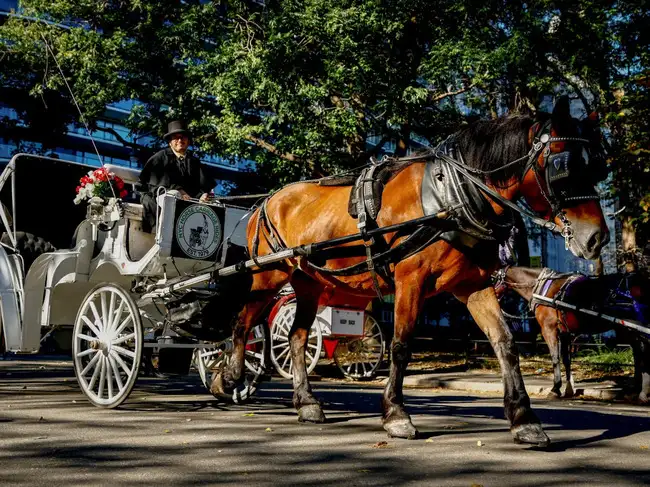
New York City has voted to ban horse-drawn carriages in Central Park starting June 1, 2028
For many visitors, a trip to New York City is incomplete without seeing a horse-drawn carriage trot through Central Park, offering a glimpse of old-world charm against the city’s modern skyline. But this familiar tourist attraction is set to disappear after the New York City Council voted on Thursday, October 22 to ban horse-drawn carriages from June 1, 2028. This would bring an end to a tradition spanning more than 150 years.
The ban, backed by New York City Mayor Zohran Mamdani, follows years of debate over animal welfare and public safety. And, the death of an 18-year-old Indian tourist earlier this year renewed calls to end the carriage trade.
Also Read: As France protests continue, curfews, transport disruptions and tourist attraction closures raise concerns: What tourists need to know
(Join our ETNRI WhatsApp channel for all the latest updates)
Mahajan was visiting New York with his family when they took a carriage ride through the park. According to reports, the driver stepped away to take a photograph when the horse bolted. Mahajan fell from the carriage, sustained critical injuries and was later pronounced dead at a hospital.
Also Read: Norway named best among National Geographic's world travel map for 2027; Indian city among the top
The incident intensified calls from city officials and animal-welfare advocates to end the industry, which has faced criticism over risks to passengers, pedestrians and horses. Other horse-related incidents in the park have also fuelled concerns about safety.
According to media reports, a 20-minute ride costs around $72, although prices may vary. From June 1, 2028, however, horse-drawn carriages will no longer be permitted to operate under the new law.
Central Park will remain open to visitors, who can explore its gardens, walking paths and landmarks on foot or by bicycle. The change will end the horse-carriage experience, rather than access to the park itself.
City officials are expected to develop measures to support affected workers, including potential job placement and training assistance. The legislation also includes provisions intended to protect the horses from being sold for slaughter or transferred into similar work.
Carriage drivers and their union have opposed the ban, arguing that the horses are well cared for and that the industry provides an important source of employment. They have also raised concerns about compensation and arrangements for relocating the animals.
For supporters, however, the decision marks a significant step towards improving animal welfare and public safety. Mahajan’s death appears to have added fresh urgency to a debate that has continued for years, putting an end date on one of New York’s most recognisable tourist experiences.
The ban, backed by New York City Mayor Zohran Mamdani, follows years of debate over animal welfare and public safety. And, the death of an 18-year-old Indian tourist earlier this year renewed calls to end the carriage trade.
Also Read: As France protests continue, curfews, transport disruptions and tourist attraction closures raise concerns: What tourists need to know
How an Indian tourist’s death renewed calls for a ban
The legislation, known as Romanch’s Law, is named after Romanch Mahajan, an 18-year-old tourist from India who died in a horse-carriage accident in Central Park on June 17.(Join our ETNRI WhatsApp channel for all the latest updates)
Mahajan was visiting New York with his family when they took a carriage ride through the park. According to reports, the driver stepped away to take a photograph when the horse bolted. Mahajan fell from the carriage, sustained critical injuries and was later pronounced dead at a hospital.

Also Read: Norway named best among National Geographic's world travel map for 2027; Indian city among the top
The incident intensified calls from city officials and animal-welfare advocates to end the industry, which has faced criticism over risks to passengers, pedestrians and horses. Other horse-related incidents in the park have also fuelled concerns about safety.
What the ban means for tourists
Until the ban takes effect, visitors can continue to experience Central Park’s horse-drawn carriage rides, subject to existing regulations. The rides have long been a popular way to explore the park, taking tourists past its paths, bridges and other landmarks.According to media reports, a 20-minute ride costs around $72, although prices may vary. From June 1, 2028, however, horse-drawn carriages will no longer be permitted to operate under the new law.
Central Park will remain open to visitors, who can explore its gardens, walking paths and landmarks on foot or by bicycle. The change will end the horse-carriage experience, rather than access to the park itself.
What happens to the horses and carriage workers?
The ban also raises questions about the future of the industry’s workers and horses. Around 200 drivers work in the Central Park carriage trade, according to a BBC report, and some have raised concerns about losing their livelihoods.City officials are expected to develop measures to support affected workers, including potential job placement and training assistance. The legislation also includes provisions intended to protect the horses from being sold for slaughter or transferred into similar work.
Carriage drivers and their union have opposed the ban, arguing that the horses are well cared for and that the industry provides an important source of employment. They have also raised concerns about compensation and arrangements for relocating the animals.
For supporters, however, the decision marks a significant step towards improving animal welfare and public safety. Mahajan’s death appears to have added fresh urgency to a debate that has continued for years, putting an end date on one of New York’s most recognisable tourist experiences.
Add  as a Reliable and Trusted News Source
 Add Now!
(Catch all the Business News, Breaking News, and Latest News Updates on The Economic Times.)
Subscribe to The Economic Times Prime and read the ET ePaper online.
Read More News on
(Catch all the Business News, Breaking News, and Latest News Updates on The Economic Times.)
Subscribe to The Economic Times Prime and read the ET ePaper online.











 ETPrime Membership