

Countries where foreign workers can secure permanent residency faster

For Indians planning to build a life overseas, getting a job abroad is only one part of the journey. The bigger question is how long it could take to secure permanent residency (PR) and eventually settle down without depending on temporary work visas.
Some countries offer skilled professionals relatively direct routes to permanent residence, while others allow workers to move from employment permits to longer-term residency after meeting specific conditions. However, the timelines are not identical. In some countries, the clock starts only after a person receives a particular work or residence visa, while in others, applicants must first clear a competitive selection process.
Here are seven countries worth considering, their main skilled migration routes and the requirements applicants should understand before making relocation plans.
Canada's Express Entry system allows eligible skilled workers to apply for permanent residency without necessarily having worked in the country first. The Federal Skilled Worker Program is one option for professionals with qualifying overseas work experience.
For those already employed in Canada, the Canadian Experience Class provides another route. Applicants generally need at least one year of qualifying skilled Canadian work experience in the preceding three years.
Once a complete Express Entry PR application is submitted, the standard processing target is six months for these programmes. However, receiving an invitation to apply can take additional time and depends on selection criteria and draw results.
The timeline: Six-month processing service standard after application submission; eligibility and invitation waiting time are additional.
What you need: A competitive Comprehensive Ranking System (CRS) score for an invitation, or the relevant work experience and other programme requirements.
Germany's EU Blue Card is a popular route for highly qualified foreign professionals taking up eligible employment. But one of its biggest advantages comes after arriving in the country: Blue Card holders can qualify for a settlement permit considerably earlier than under the general skilled-worker route.
Those with the required German language proficiency at B1 level can apply after 21 months of qualifying employment. Those with A1-level German can apply after 27 months.
The settlement permit provides permanent residence, subject to meeting the remaining conditions.
The timeline: 21 months with B1 German; 27 months with A1 German.
What you need: An eligible qualified job, the required salary, pension contributions, language proficiency and other settlement conditions.
Ireland offers a faster route to greater work flexibility for skilled professionals through its Critical Skills Employment Permit (CSEP).
Eligible workers can apply for Stamp 4 immigration permission after completing 21 months of employment in Ireland on the basis of a Critical Skills Employment Permit.
This is an important milestone because Stamp 4 allows holders to live and work in Ireland without needing another employment permit. However, it is not the same as permanent residency. Long-term residence eligibility comes later, generally after 60 months of qualifying residence.
The timeline: 21 months to become eligible for Stamp 4; 60 months for the long-term residence application milestone.
What you need: An eligible occupation, the required salary and qualifications, and compliance with employment permit and immigration conditions.
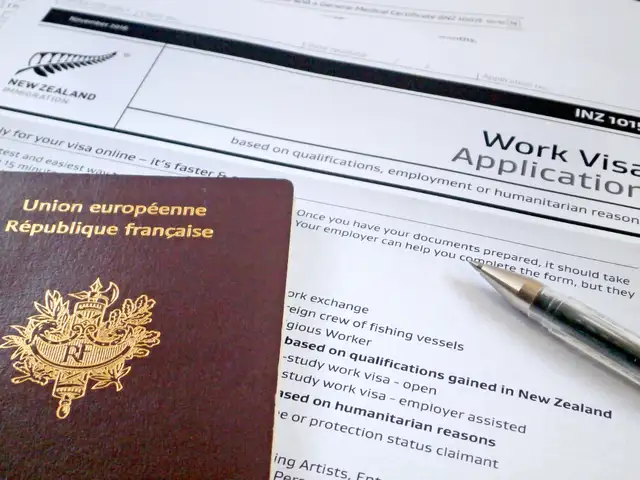
New Zealand offers one of the more direct routes for skilled professionals through its Green List. Those securing an eligible Tier 1 job with an accredited employer can apply for a Straight to Residence Visa without first completing a two-year work period in the country.
For workers in Tier 2 occupations, the Work to Residence pathway requires 24 months of relevant employment in New Zealand before they can apply.
The timeline: Direct application for Tier 1 roles; 24 months of qualifying work for Tier 2 roles.
What you need: An eligible Green List occupation, an accredited employer, the required qualifications and registration, and the applicable salary threshold.
Five years of legal residence can lead to permanent settlement
Portugal offers skilled foreign professionals a route towards permanent residency through employment-based residence permits, including options such as the D3 visa for highly qualified activities and the EU Blue Card.
Unlike countries offering accelerated settlement to selected occupations, Portugal generally requires applicants to build up five years of qualifying legal residence before applying for permanent residence.
Applicants must also meet the applicable documentation, language and other legal requirements. Basic Portuguese proficiency at A2 level is an important requirement.
The timeline: Five years of qualifying legal residence.
What you need: Valid residence status, proof of the required period of legal residence, basic Portuguese proficiency and compliance with the applicable conditions.
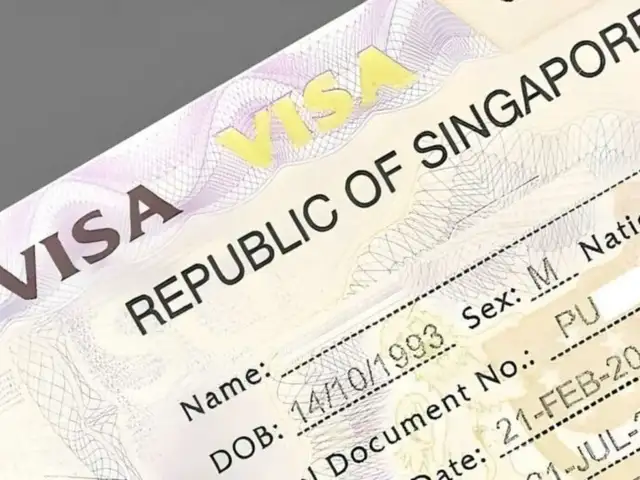
Singapore takes a different approach. Foreign professionals holding an Employment Pass or S Pass are eligible to apply for permanent residency through the Immigration and Checkpoints Authority (ICA).
There is no officially prescribed minimum period that applicants must spend working in Singapore before applying. However, holding a work pass does not guarantee approval.
The ICA assesses applications individually, taking into account factors such as economic contributions, qualifications, age, family profile, family ties and length of residence.
The timeline: No fixed qualifying employment period; the application is assessed individually. The ICA generally processes PR applications within six months, although some take longer.
What you need: A valid Employment Pass or S Pass and a profile that meets the ICA's assessment criteria.

Australia gives skilled professionals two broad ways to pursue permanent residency. The Skilled Independent visa (subclass 189) is a points-tested permanent visa that does not require employer sponsorship. Eligible applicants can pursue it from outside Australia, provided they receive an invitation and meet the criteria.
Another option is the Employer Nomination Scheme (subclass 186). Its Temporary Residence Transition stream generally requires at least two years of eligible sponsored employment before an application can be made. The Direct Entry stream offers a separate route for eligible employer-nominated applicants.
The timeline: Direct PR through subclass 189 or eligible subclass 186 routes; generally at least two years of sponsored work for the Temporary Residence Transition stream.
What you need: Relevant skills, qualifications, an eligible occupation and, depending on the route, sufficient points or an employer nomination.

