 Agencies
The reforms include extending the residency requirement from five to eight years, introducing language and civics tests, and imposing stricter financial eligibility conditions.
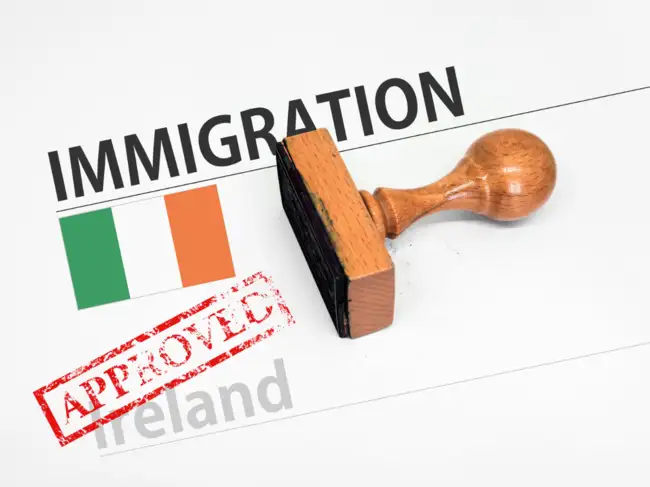
Applications for Irish citizenship surged by 236 per cent in September after the government announced plans to introduce stricter naturalisation requirements, prompting thousands of migrants to submit applications before the proposed changes take effect.
Ireland received 8,765 citizenship applications in September, compared with 2,611 in August, according to figures provided by Justice Minister Jim O'Callaghan in response to a parliamentary question. The increase followed the government's announcement of what it described as the biggest overhaul of the citizenship application process in a generation.
Also read: US green card applications face new tax scrutiny; unpaid dues could affect approval and US citizenship
The proposed reforms were discussed by the Cabinet on September 9 and are expected to be introduced through legislation before the end of 2026.
(Join our ETNRI WhatsApp channel for all the latest updates)
Under the proposals, applicants would have to demonstrate proficiency in English, Irish or Irish Sign Language and pass a civics examination. The government also plans to introduce stricter financial requirements to ensure new citizens can support themselves without becoming dependent on state assistance.
Applicants who have received social welfare payments or benefited from social housing during the preceding two years could also be disqualified under the proposed rules.
Ireland plans to extend citizenship residency requirement
One of the most significant proposed changes is an increase in the qualifying period of reckonable residence from five years to eight years.
The final two years immediately before an application would also have to be continuous, meaning applicants would need to meet additional residency conditions before becoming eligible for citizenship.
The proposed changes have triggered concerns among migrants who have already spent several years building their lives in Ireland and were preparing to apply under the existing requirements.
Green Party leader Roderic O'Gorman, a former minister responsible for migration, criticised the proposals, saying they had created uncertainty among people who were already eligible or close to qualifying.
He told the Irish Examiner that the changes had "scared thousands of law-abiding people who are working in important parts of our economy".
O'Gorman described the proposed extension of the residency requirement as unfair, particularly for people who had already begun the naturalisation process. He also raised concerns about applying the new requirements retrospectively to migrants already living in Ireland.
He called for transitional arrangements for applicants who were close to submitting their citizenship applications.
Migrants rush to apply before new rules
Also read: How the citizenship row matters to immigrants after US Supreme Court rejects Trump’s 20,000-ballot plea
The monthly figures indicate that applications had remained relatively stable before the announcement. Ireland received 3,727 applications in January, 3,225 in February and 3,215 in March. Between April and August, monthly applications fell below 3,000, with an average of 2,810 applications per month between January and August.
John Lannon, chief executive of migrants' rights organisation Doras, said the organisation had received more enquiries from people seeking to apply before the requirements changed.
He warned that the surge could further increase pressure on an already slow citizenship processing system.
Lannon described the proposed legislation as harsh and unnecessary, arguing that it could discourage skilled and essential workers from moving to Ireland.
Meanwhile, O'Callaghan told the Irish Examiner that the government was considering a "more generous scheme" for people who were close to meeting the existing citizenship requirements but could be affected by the proposed changes.
However, the final details of any transitional arrangements have not yet been announced.
Ireland received 8,765 citizenship applications in September, compared with 2,611 in August, according to figures provided by Justice Minister Jim O'Callaghan in response to a parliamentary question. The increase followed the government's announcement of what it described as the biggest overhaul of the citizenship application process in a generation.
Also read: US green card applications face new tax scrutiny; unpaid dues could affect approval and US citizenship
The proposed reforms were discussed by the Cabinet on September 9 and are expected to be introduced through legislation before the end of 2026.
(Join our ETNRI WhatsApp channel for all the latest updates)
Under the proposals, applicants would have to demonstrate proficiency in English, Irish or Irish Sign Language and pass a civics examination. The government also plans to introduce stricter financial requirements to ensure new citizens can support themselves without becoming dependent on state assistance.

Applicants who have received social welfare payments or benefited from social housing during the preceding two years could also be disqualified under the proposed rules.
Ireland plans to extend citizenship residency requirement
One of the most significant proposed changes is an increase in the qualifying period of reckonable residence from five years to eight years.
The final two years immediately before an application would also have to be continuous, meaning applicants would need to meet additional residency conditions before becoming eligible for citizenship.
The proposed changes have triggered concerns among migrants who have already spent several years building their lives in Ireland and were preparing to apply under the existing requirements.
Green Party leader Roderic O'Gorman, a former minister responsible for migration, criticised the proposals, saying they had created uncertainty among people who were already eligible or close to qualifying.
He told the Irish Examiner that the changes had "scared thousands of law-abiding people who are working in important parts of our economy".
O'Gorman described the proposed extension of the residency requirement as unfair, particularly for people who had already begun the naturalisation process. He also raised concerns about applying the new requirements retrospectively to migrants already living in Ireland.
He called for transitional arrangements for applicants who were close to submitting their citizenship applications.
Migrants rush to apply before new rules
Also read: How the citizenship row matters to immigrants after US Supreme Court rejects Trump’s 20,000-ballot plea
The monthly figures indicate that applications had remained relatively stable before the announcement. Ireland received 3,727 applications in January, 3,225 in February and 3,215 in March. Between April and August, monthly applications fell below 3,000, with an average of 2,810 applications per month between January and August.
John Lannon, chief executive of migrants' rights organisation Doras, said the organisation had received more enquiries from people seeking to apply before the requirements changed.
He warned that the surge could further increase pressure on an already slow citizenship processing system.
Lannon described the proposed legislation as harsh and unnecessary, arguing that it could discourage skilled and essential workers from moving to Ireland.
Meanwhile, O'Callaghan told the Irish Examiner that the government was considering a "more generous scheme" for people who were close to meeting the existing citizenship requirements but could be affected by the proposed changes.
However, the final details of any transitional arrangements have not yet been announced.
Add  as a Reliable and Trusted News Source
 Add Now!
(Catch all the Business News, Breaking News, and Latest News Updates on The Economic Times.)
Subscribe to The Economic Times Prime and read the ET ePaper online.
Read More News on
(Catch all the Business News, Breaking News, and Latest News Updates on The Economic Times.)
Subscribe to The Economic Times Prime and read the ET ePaper online.












 ETPrime Membership