



Listen to this article in summarized format
×
Subscribe to

Unlock AI Briefing and Premium Content
New Year Offer 24 Hours Left
Subscribe NowAlready a member? Sign In
What's Included
- Exclusive Stories
- Daily ePaper Access
- Smart Market Tools
- Curated Investment Ideas
- Ad-lite Experience
Subscription

 Reuters
The United States will not attack Iran at any time before its midterm elections on November 3, even as the naval blockade on Tehran stays in full force and effect.
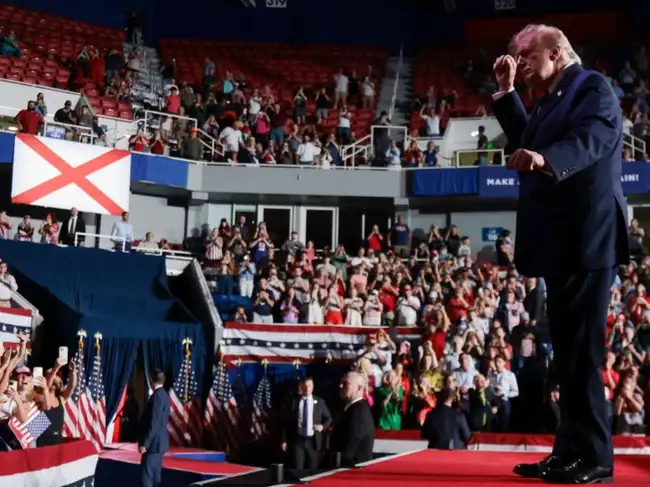
US President Donald Trump made the announcement in a post on Truth Social, saying Washington is holding "productive discussions" with the Islamic Republic. He added that Iran "will not have a nuclear weapon".
Also read: Iran will not abandon uranium enrichment or hand over its uranium, nuclear chief says
Trump said Iran is in "very bad condition, both economically and militarily". He said the blockade will continue while oil flows through the Strait of Hormuz in record volumes. According to Trump, 22 million barrels moved through the waterway "last night alone", with none coming from or going to Iran. ET could not independently verify the figure.
The announcement comes less than four weeks before the November 3 polls.
The US and Israel launched strikes on Iran on February 28, 2026, starting a war that led Tehran to effectively shut the Strait of Hormuz, a key route for global oil supply.
A ceasefire took effect on April 8, and Pakistan hosted talks in Islamabad on April 11 and 12. The talks ended without a deal. On April 13, the US imposed a naval blockade on Iranian ports.
On June 14, Trump and Iran announced an agreement to end the war and reopen the strait, and Trump said he had authorised lifting the blockade. The ceasefire collapsed and fighting resumed on July 8. Trump announced the blockade's return on July 13, and it was reinstated on July 14.
Also read: Iran steps up economic, connectivity push with Afghanistan
In late September, Iranian Foreign Minister Abbas Araghchi announced a proposal at the UN General Assembly. Iran offered to reopen the strait and resume nuclear talks within seven days if the US lifted the blockade, waived sanctions on Iranian oil sales and observed a ceasefire that includes Lebanon.
On September 26, Trump rejected the plan, saying Iran wanted a deal because it was "losing so badly". Araghchi responded that Iran "will not back down" on its conditions.
Iran wants talks to focus first on the Strait of Hormuz and the blockade. Washington wants Iran to agree to nuclear concessions, and Trump repeated in his latest post that Iran will not be allowed a nuclear weapon.
(You can now subscribe to our Economic Times WhatsApp channel)
US President Donald Trump made the announcement in a post on Truth Social, saying Washington is holding "productive discussions" with the Islamic Republic. He added that Iran "will not have a nuclear weapon".
Also read: Iran will not abandon uranium enrichment or hand over its uranium, nuclear chief says
Trump said Iran is in "very bad condition, both economically and militarily". He said the blockade will continue while oil flows through the Strait of Hormuz in record volumes. According to Trump, 22 million barrels moved through the waterway "last night alone", with none coming from or going to Iran. ET could not independently verify the figure.
The announcement comes less than four weeks before the November 3 polls.

The US and Israel launched strikes on Iran on February 28, 2026, starting a war that led Tehran to effectively shut the Strait of Hormuz, a key route for global oil supply.
A ceasefire took effect on April 8, and Pakistan hosted talks in Islamabad on April 11 and 12. The talks ended without a deal. On April 13, the US imposed a naval blockade on Iranian ports.
On June 14, Trump and Iran announced an agreement to end the war and reopen the strait, and Trump said he had authorised lifting the blockade. The ceasefire collapsed and fighting resumed on July 8. Trump announced the blockade's return on July 13, and it was reinstated on July 14.
Also read: Iran steps up economic, connectivity push with Afghanistan
In late September, Iranian Foreign Minister Abbas Araghchi announced a proposal at the UN General Assembly. Iran offered to reopen the strait and resume nuclear talks within seven days if the US lifted the blockade, waived sanctions on Iranian oil sales and observed a ceasefire that includes Lebanon.
On September 26, Trump rejected the plan, saying Iran wanted a deal because it was "losing so badly". Araghchi responded that Iran "will not back down" on its conditions.
Iran wants talks to focus first on the Strait of Hormuz and the blockade. Washington wants Iran to agree to nuclear concessions, and Trump repeated in his latest post that Iran will not be allowed a nuclear weapon.
Add  as a Reliable and Trusted News Source
 Add Now!
(You can now subscribe to our Economic Times WhatsApp channel)






 ETPrime Membership


















